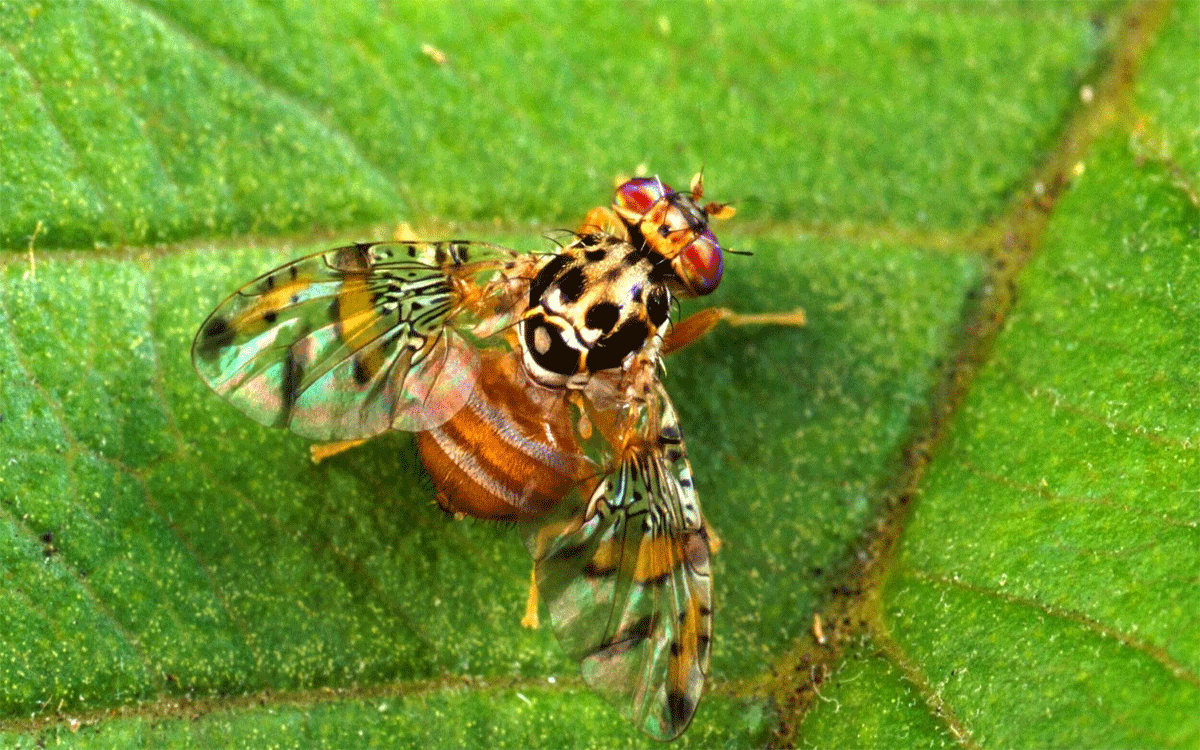
Aphids are tiny pests that damage garden plants by sucking sap, spreading disease, and slowing healthy plant growth.
They may be small, but aphids can cause serious damage to garden plants. These tiny pests feed on plant sap, weaken growth, and spread harmful diseases.
If left unchecked, aphids can quickly turn a healthy garden into a struggling one. How do aphids attack plants, and what can gardeners do to stop them? Listen and continue to follow the latest information on how to deal with pests in your garden, only at Effective Pest Control.
Understanding Aphids And Their Behavior
Aphids are small, soft-bodied insects that commonly infest garden plants. They usually gather on young leaves, stems, and flower buds, where they feed by sucking plant sap.
Although tiny in size, aphids reproduce rapidly, allowing infestations to spread quickly if left unmanaged. These pests are often green, black, yellow, or brown, making them difficult to notice at first.
Aphids are attracted to tender plant tissues rich in nutrients, which makes vegetable crops, fruit plants, and ornamental flowers particularly vulnerable to attack.
Damage Caused By Aphid Infestations
The primary damage caused by aphids comes from their feeding activity. By extracting sap, aphids weaken plants, leading to stunted growth, curled leaves, and yellowing foliage.
Over time, heavily infested plants may fail to flower or produce fruit properly. In addition, aphids secrete a sticky substance known as honeydew.
This residue encourages the growth of sooty mold, which blocks sunlight from reaching plant leaves and interferes with photosynthesis. Aphids are also known carriers of plant viruses, making them a serious threat to overall garden health.
Read Also: Fruit Flies: Tropical Fruit Destroyers That Reduce Crop Yields
Natural And Chemical Control Methods
Controlling aphids can be done through natural and chemical approaches. Natural predators such as ladybugs, lacewings, and parasitic wasps play an important role in reducing aphid populations.
Encouraging these beneficial insects helps maintain ecological balance in the garden. Organic solutions like neem oil, insecticidal soap, or garlic spray can also be effective when applied regularly.
In severe infestations, chemical pesticides may be used carefully, ensuring proper dosage to avoid harming beneficial organisms and the environment.
Prevention And Long-Term Garden Care
Preventing aphid infestations is easier than dealing with widespread damage. Regular inspection of plants allows early detection before populations explode.
Maintaining healthy soil, proper watering, and balanced fertilization strengthens plant resistance against pests. Crop rotation, pruning infected parts, and removing weeds can further reduce aphid habitats.
By combining preventive care with timely control measures, gardeners can protect their plants and maintain a thriving, productive garden.Take your time to read the latest and most viral information that you can only get at Effective Pest Control.
Image Source:
- First Image from kompas.com
- Second Image from rakyat.com