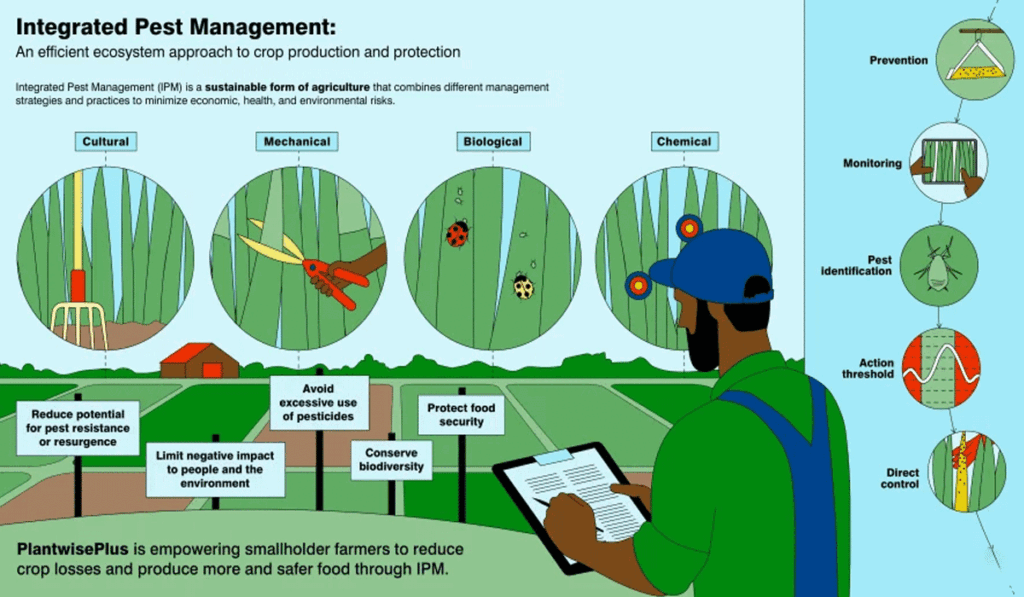

Learn how to manage pests sustainably without harming nature using eco-friendly, safe, and environmentally responsible methods.
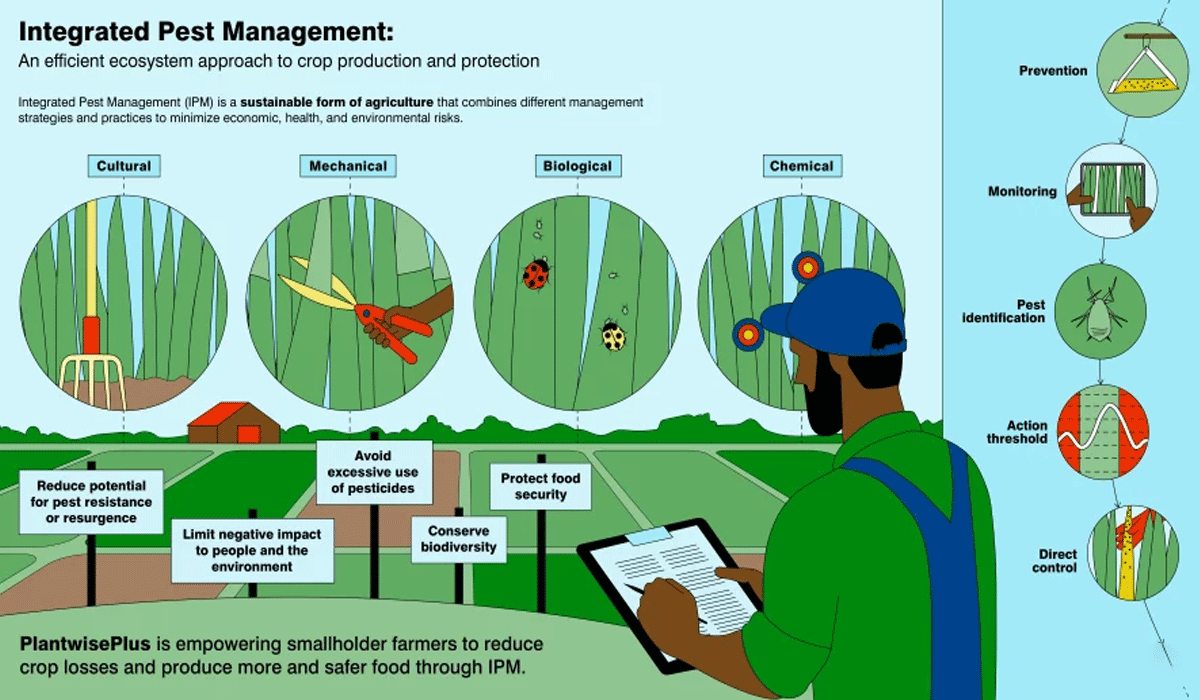
Traditional chemical pesticides may provide quick results, but they often come at a high cost to the environment, including soil degradation, water contamination, and harm to beneficial insects. Sustainable pest management focuses on controlling pests while preserving ecological balance, protecting biodiversity, and maintaining a healthy environment. This article Effective Pest Control explores practical and eco-friendly methods to manage pests without harming nature.
Understanding The Pest Problem
The first step in sustainable pest management is understanding the pest problem. Identify which pests are causing damage and determine the level of threat. Not all insects or animals in your garden or farm are harmful; many are beneficial and help maintain a natural balance.
By monitoring pest populations regularly, you can decide whether action is necessary or if natural predators can control them. Awareness and proper identification reduce unnecessary interventions and help maintain ecological harmony.
Encouraging Natural Predators
One of the most effective sustainable strategies is promoting natural predators. Ladybugs, spiders, birds, and predatory beetles can naturally reduce pest populations. Planting flowers and shrubs that attract these predators supports their presence in your garden or farm.
Creating habitats such as birdhouses, insect hotels, or small ponds encourages beneficial species to thrive. By relying on nature’s predators, you can minimize chemical use and protect the environment while maintaining pest control.
Using Organic And Biodegradable Solutions
Organic pesticides derived from natural ingredients such as neem oil, garlic, or chili extracts provide effective pest control without harming the ecosystem. These substances break down naturally, leaving no toxic residues in soil or water.
Biodegradable traps, pheromone-based lures, and sticky barriers also offer targeted solutions for pest control. These approaches focus on managing specific pests without affecting non-target organisms or beneficial insects.
Also Read: Say Goodbye To Millipedes: Safe And Sustainable Pest Control Tips
Implementing Crop Rotation And Companion Planting
Crop rotation and companion planting are ancient yet highly effective techniques. Rotating crops prevents pests from establishing long-term populations in the soil. It also reduces the chance of disease buildup.
Companion planting involves growing certain plants together to repel pests or attract beneficial insects. For example, marigolds repel nematodes, while basil can protect tomatoes from certain insects. These strategies naturally reduce pest problems while enhancing soil health.
Maintaining Healthy Soil And Plants
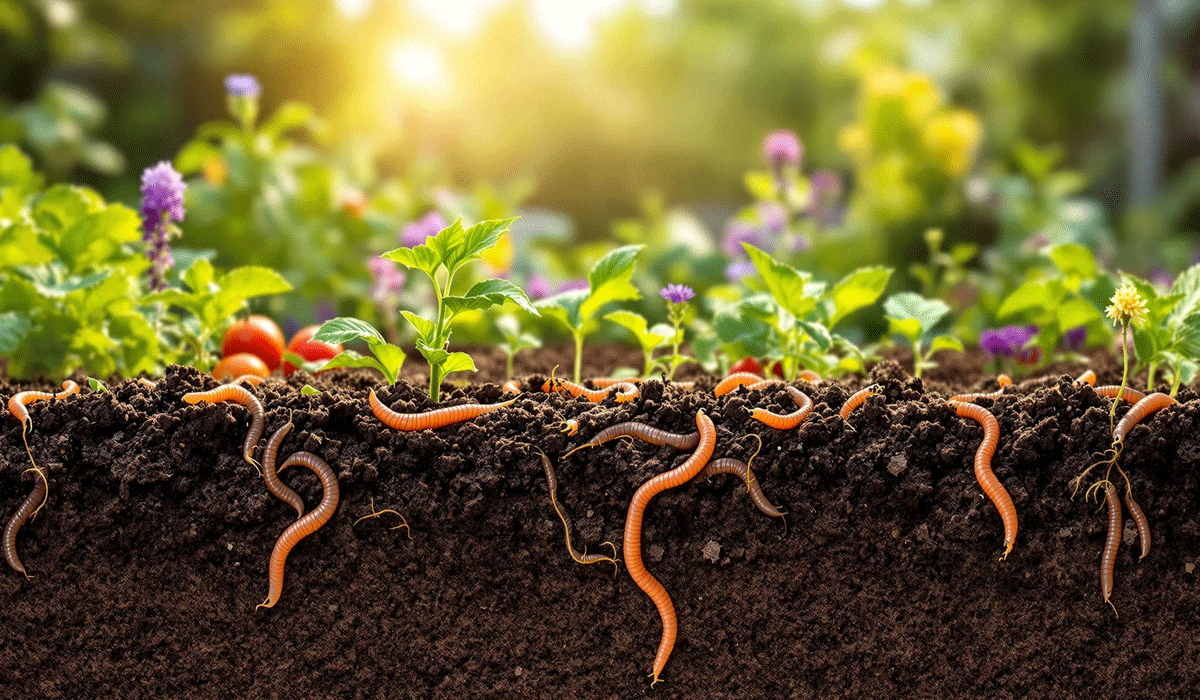
Healthy soil produces strong plants that are more resistant to pests. Adding compost, practicing mulching, and avoiding over-fertilization helps maintain soil fertility and plant immunity.
Stress-free plants are less attractive to pests and can recover more quickly from minor infestations. By prioritizing plant health, you reduce the need for intensive interventions and maintain a more sustainable ecosystem.
Educating And Monitoring Regularly
Sustainable pest management requires ongoing observation and learning. Keep a log of pest activity, plant health, and interventions applied. Education about local pest species and beneficial organisms will help you make informed decisions.
Regular monitoring allows for timely, minimal, and targeted actions that protect the environment while effectively managing pests. Prevention and early intervention are key principles of sustainable practices.
Conclusion
Sustainable pest management balances the need to control harmful species with protecting nature. By encouraging natural predators, using organic solutions, implementing crop rotation, and maintaining healthy plants, you can reduce environmental impact while keeping pests under control.
Awareness, observation, and proactive planning make it possible to manage pests effectively without harming the ecosystem. Sustainable approaches ensure that both your garden and the surrounding environment thrive together. Explore all recent tricks and updates, only here Effective Pest Control.
Image Source From.
- First Photo From: https://bioprotectionportal.com/
- Second Photo of: https://www.greengenius.com.au/