Cockroaches are among the most resilient and cunning pests, thriving effortlessly in diverse outdoor environments where most creatures struggle to survive.
Their presence is not only unsightly but can also spread diseases, contaminate food, and trigger allergies. Controlling these pests requires a thoughtful approach, combining prevention, habitat management, and safe treatment strategies. Outdoor cockroach control is unique, demanding methods that are effective yet environmentally conscious.
Below we Effective Pest Control will discuss various effective strategies for controlling cockroaches in outdoor environments, from understanding their behavior to environmentally friendly, long-term preventative measures.
Understanding Cockroach Behavior Outdoors
Cockroaches are nocturnal, often hiding in dark, moist areas during the day. Common outdoor habitats include leaf litter, compost piles, and cracks near building foundations. Understanding these hiding spots helps target control measures effectively.
Their diet is highly flexible, from decaying organic matter to leftover human food. This adaptability makes them difficult to eradicate without removing potential food sources. Awareness of feeding behavior allows strategic placement of baits and traps.
Outdoor cockroaches are highly mobile, easily moving between gardens, drains, and structures. Controlling their movement requires both habitat modification and regular monitoring to prevent infestation from spreading.
Eliminating Food and Water Sources
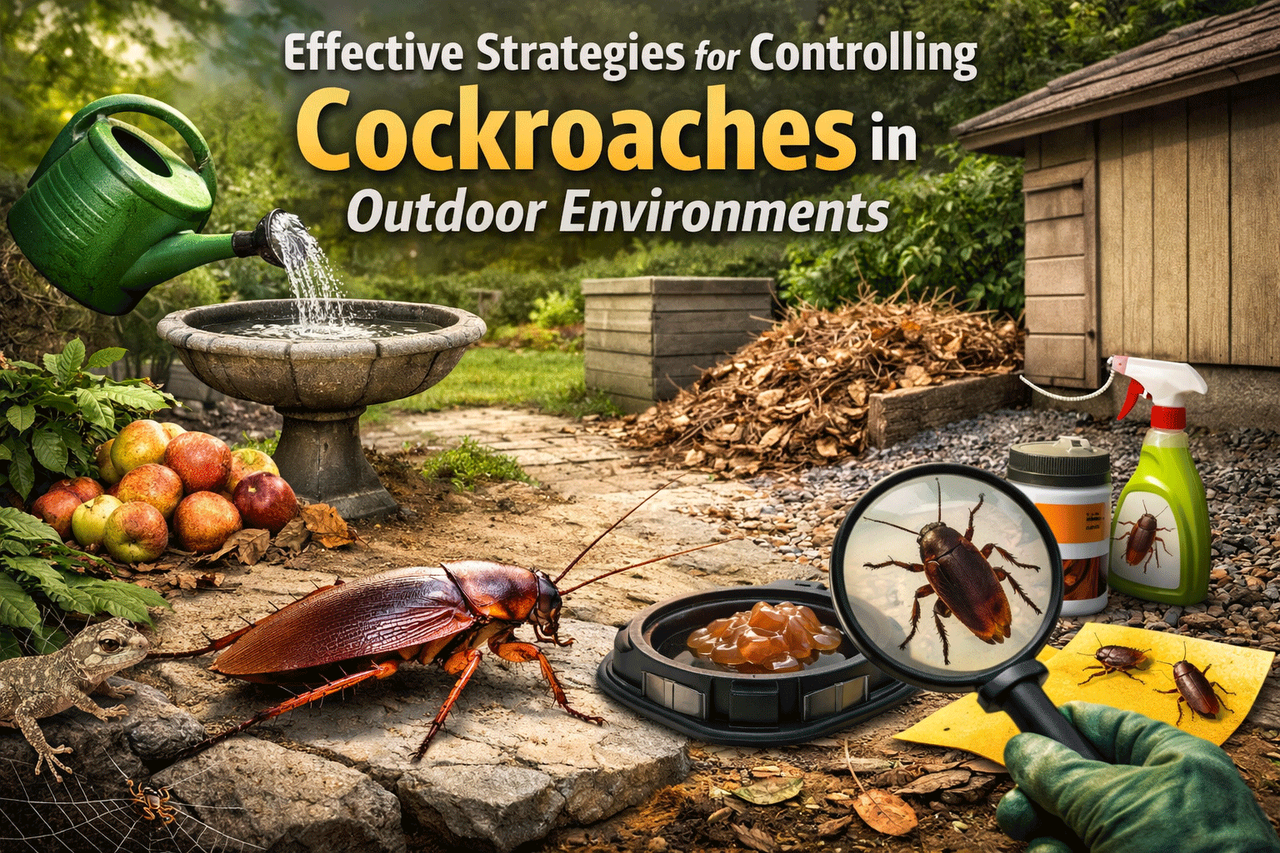
Sanitation is crucial in outdoor cockroach control. Remove fallen fruits, trash, and pet food to limit attractive food sources. A clean environment reduces the likelihood of cockroach gatherings.
Standing water should be drained or regularly refreshed. Cockroaches require moisture, and stagnant water in plant pots, birdbaths, or gutters encourages breeding. Simple water management can dramatically reduce their population.
Composting areas should be managed carefully. Covering organic waste and using sealed containers prevents cockroaches from feeding, keeping populations under control without harmful chemicals.
Modifying Habitats to Reduce Hiding Spots
Reducing outdoor shelter is a practical preventive strategy. Trim vegetation, clear piles of wood or debris, and seal gaps around structures. Minimizing hiding spaces forces cockroaches to seek food elsewhere.
Mulch and garden debris often harbor pests. Replacing dense mulch with gravel or keeping it thin decreases protective cover for cockroaches. This simple landscape adjustment discourages infestations.
Regular maintenance of drainage and irrigation systems prevents water accumulation in cracks and crevices. Cockroaches thrive in wet, dark spaces, so habitat modification directly impacts their survival.
Read Also: Sustainable Ways to Manage Pests Without Harming Nature
Effective Outdoor Control Techniques
Baits and traps remain a cornerstone for outdoor control. Gel baits, bait stations, and sticky traps attract cockroaches while minimizing environmental impact. Strategic placement near hotspots ensures higher effectiveness.
Natural predators like geckos and certain insects can assist in controlling populations. Introducing or encouraging these predators provides a biological, eco-friendly alternative to chemicals.
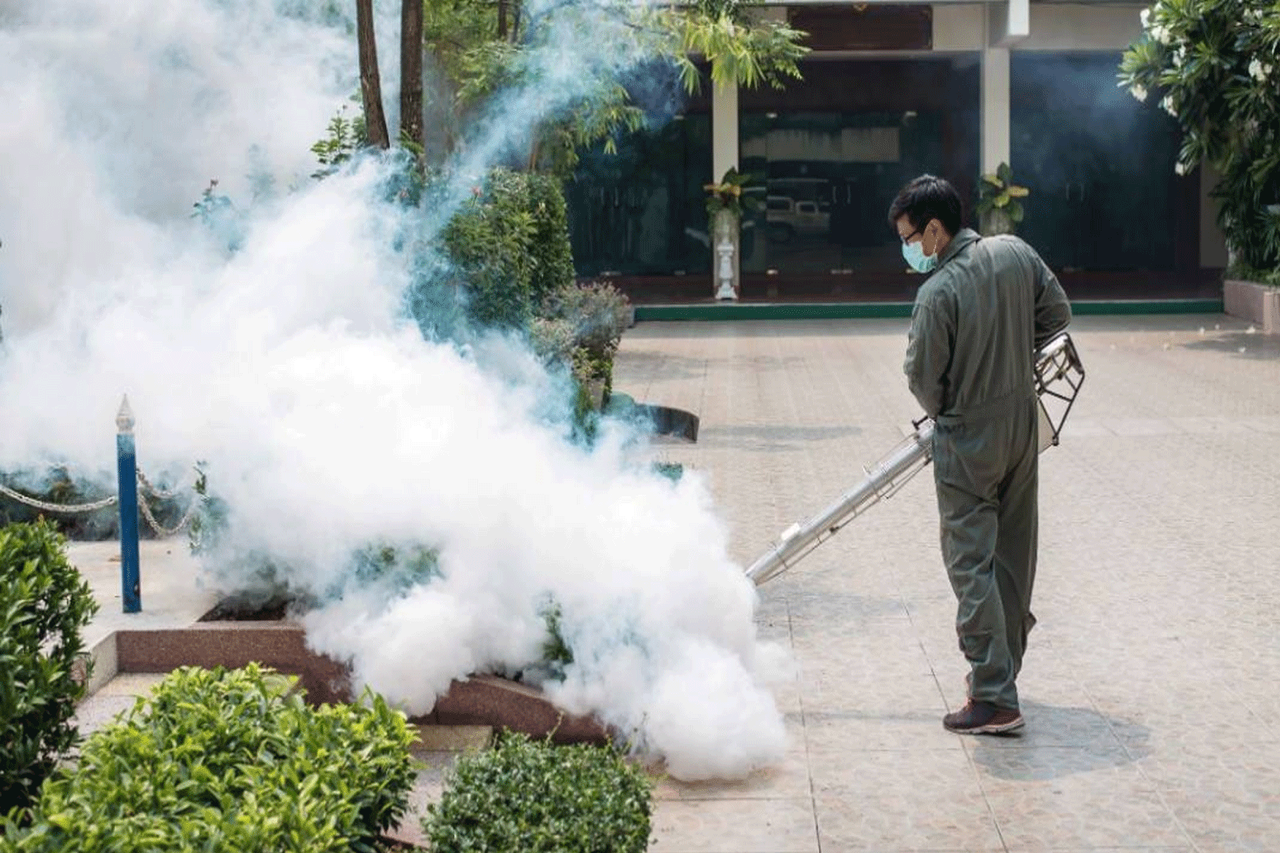
Insecticidal sprays or dusts are options for severe infestations. Focus on cracks, foundations, and shaded areas while following safety instructions to avoid harming beneficial insects or contaminating water sources.
Integrated Management and Long-Term Prevention
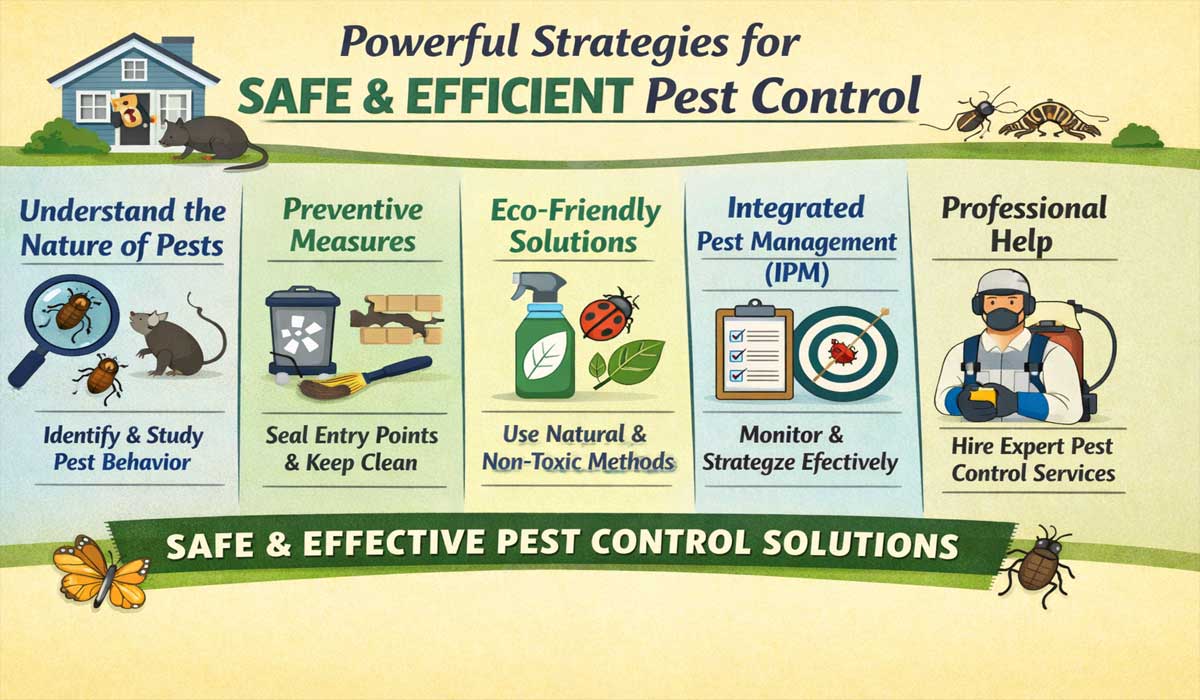
Long-term success relies on integrated pest management (IPM). Combine sanitation, habitat modification, and selective treatments to keep outdoor cockroach populations low. Consistency is key.
Monitoring regularly helps detect early signs of infestation. Simple visual inspections and traps allow quick responses, preventing populations from reaching problematic levels.
Outdoor cockroach control requires a balanced approach, blending prevention, habitat management, and targeted treatments. By understanding behavior, limiting food and water, modifying shelters, and employing eco-friendly control methods, homeowners and gardeners can protect their spaces effectively while minimizing environmental impact.
For more detailed guidance on eco-friendly pest control methods, visit Effective Pest Control.
Image Information Source:
- First Image from bugsbegone.org
- Second Image from mrmr.biz