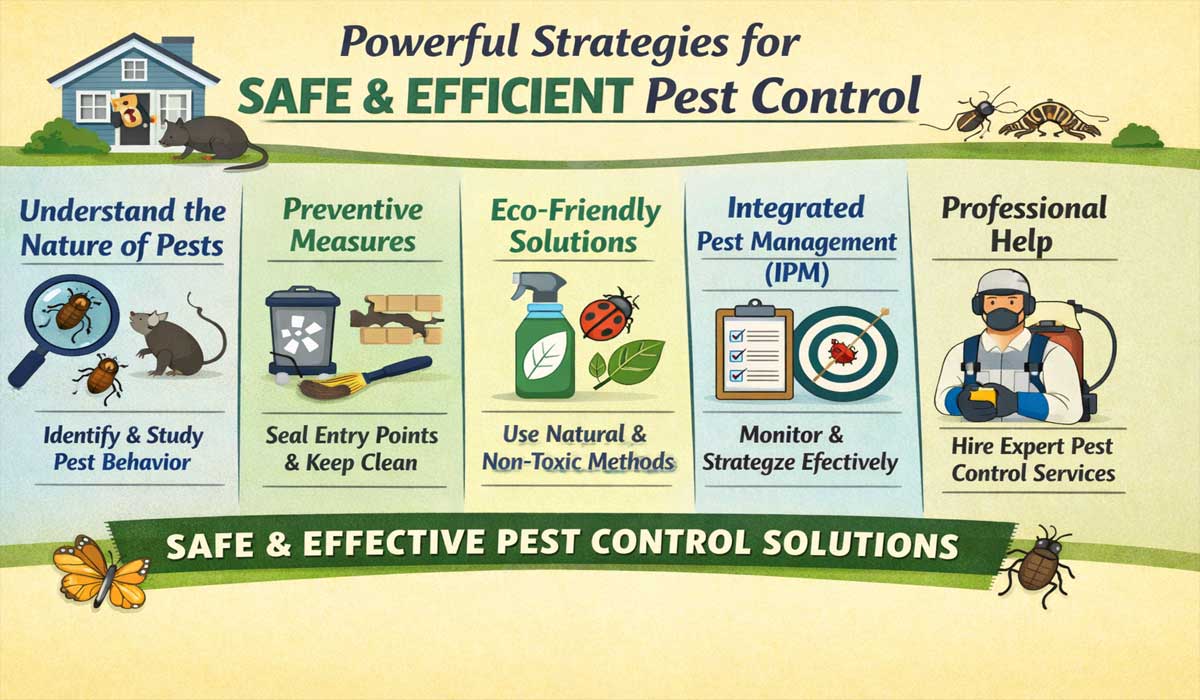
Pests are one of the biggest challenges in farming and gardening, they can damage crops, reduce harvests, and disturb the natural balance.
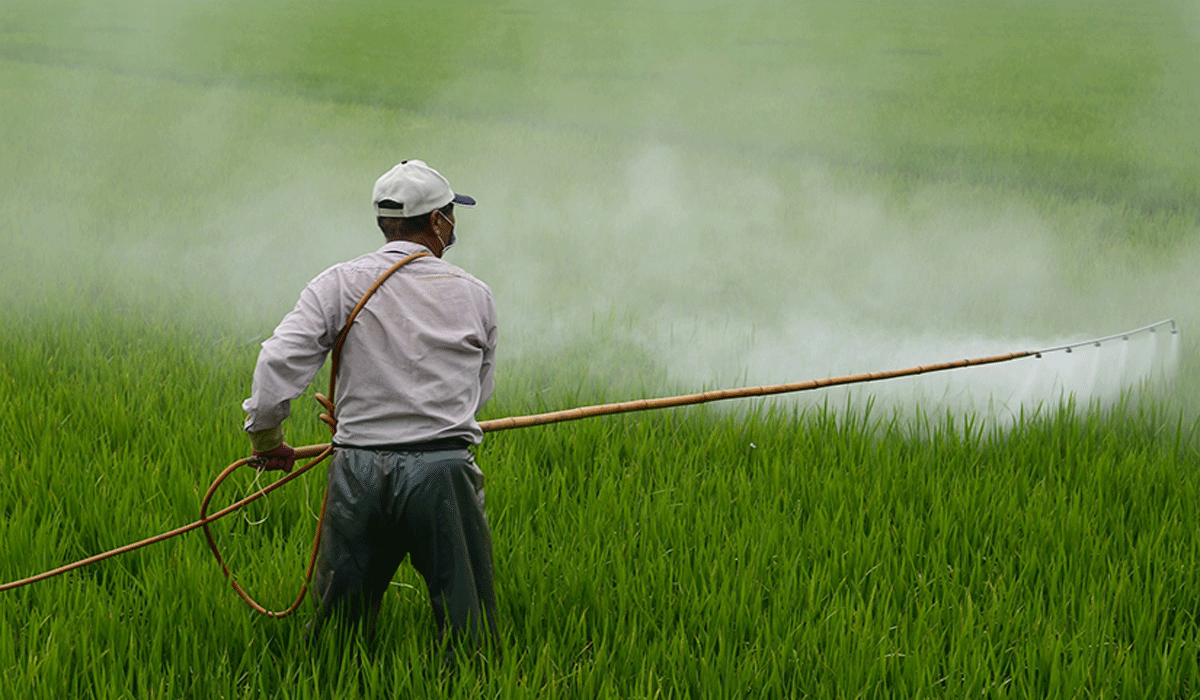
Many farmers rely heavily on chemical pesticides to control pests, but overuse can harm the soil, pollute water, and even threaten human health. That’s why eco-friendly pest control is becoming essential for sustainable farming. With Effective Pest Control using natural methods, farmers can protect their crops while keeping the environment safe.
Using Nature’s Pest Controllers
One of the most effective ways to fight pests is by introducing their natural enemies. Predators like ladybugs feed on aphids, while parasitic wasps attack caterpillars that destroy leaves. This method works with the natural food chain, controlling pests without chemicals.
Using natural predators requires planning. Farmers need to know which species are suitable for their crops and release them in the right amounts. Consulting agricultural experts can make this process much easier and safer for the ecosystem.
When done correctly, natural pest control keeps the pest population in check and maintains a balanced environment. Over time, it reduces the need for chemical sprays, making farms healthier for both crops and wildlife.
Plant-Based Pesticides
Plant-based pesticides are made from natural ingredients like neem leaves, onions, or tobacco. They repel or kill pests without leaving harmful residues in the soil or on crops. These pesticides are cheap, easy to prepare at home, and accessible even for small-scale farmers.
Another advantage is that they are safe for pollinators and soil microorganisms, which are essential for plant growth. Unlike chemical pesticides, plant-based solutions do not disrupt the ecosystem.
With proper use, plant-based pesticides can be a sustainable solution. They keep pests under control while maintaining crop quality, food safety, and environmental health.
Read Also: Powerful Strategies for Safe and Efficient Pest Control
Crop Rotation and Diversification
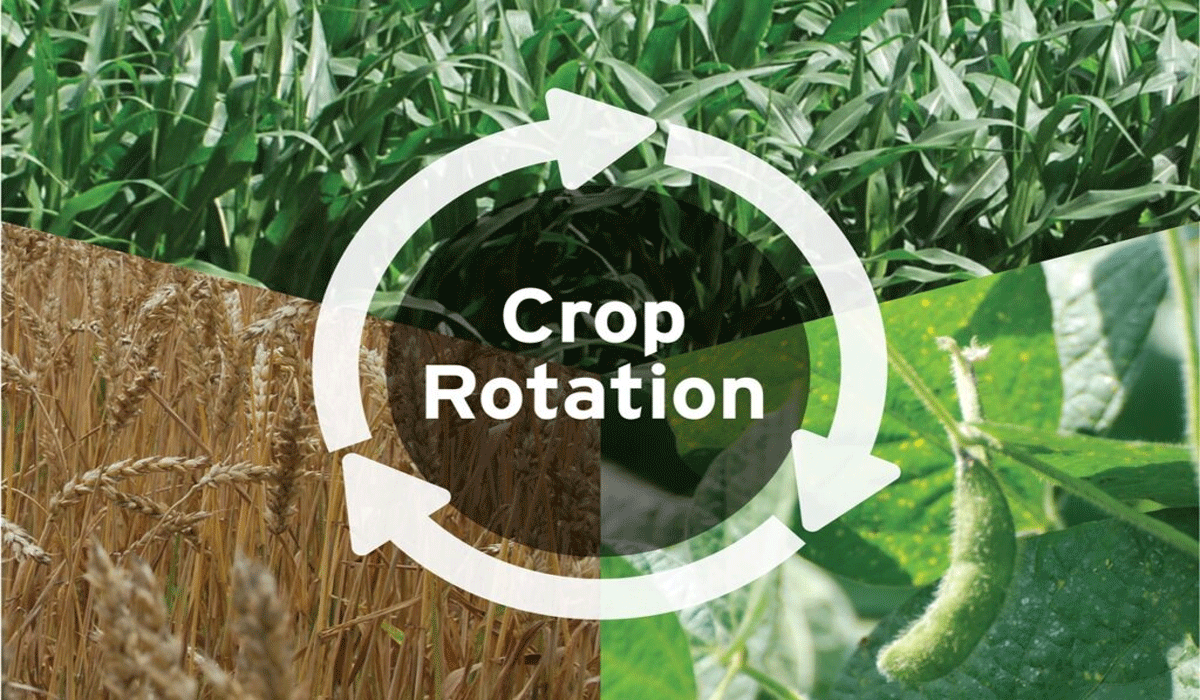
Crop rotation involves planting different crops in the same field over time. This method breaks the life cycle of pests that target a specific plant, making it harder for them to survive.
Plant diversification also attracts beneficial insects that act as natural predators. By creating a diverse environment, farmers can naturally reduce pest populations.
Additionally, rotating crops improves soil fertility since each plant contributes different nutrients. This practice not only reduces pest problems but also increases crop yields and promotes sustainable farming.
Traps and Physical Barriers
Traps, such as sticky boards or light traps, can capture pests without harming plants. Physical barriers like nets, row covers, or mulch prevent pests from reaching crops in the first place.
These methods are safe for humans, pets, and wildlife. They can be used for various crops, from vegetables to fruits, and are especially helpful when combined with other eco-friendly approaches.
By integrating traps and barriers with natural predators or plant-based pesticides, farmers can achieve highly effective pest control. This ensures healthy crops without damaging the environment.
Combining Methods for Maximum Impact
No single method can control all pests perfectly. Combining natural enemies, plant-based pesticides, crop rotation, and physical barriers provides the strongest protection. This integrated approach reduces reliance on chemicals while keeping pest populations under control. It also promotes biodiversity, soil health, and long-term farm productivity.
Ultimately, eco-friendly pest control benefits everyone. Farmers enjoy better yields, consumers get safer food, and the planet stays healthier. Sustainable pest management proves that protecting crops and caring for nature can go hand in hand.