In today’s competitive agricultural and gardening business, protecting plants from pests is not just a necessity it’s a strategy for success.
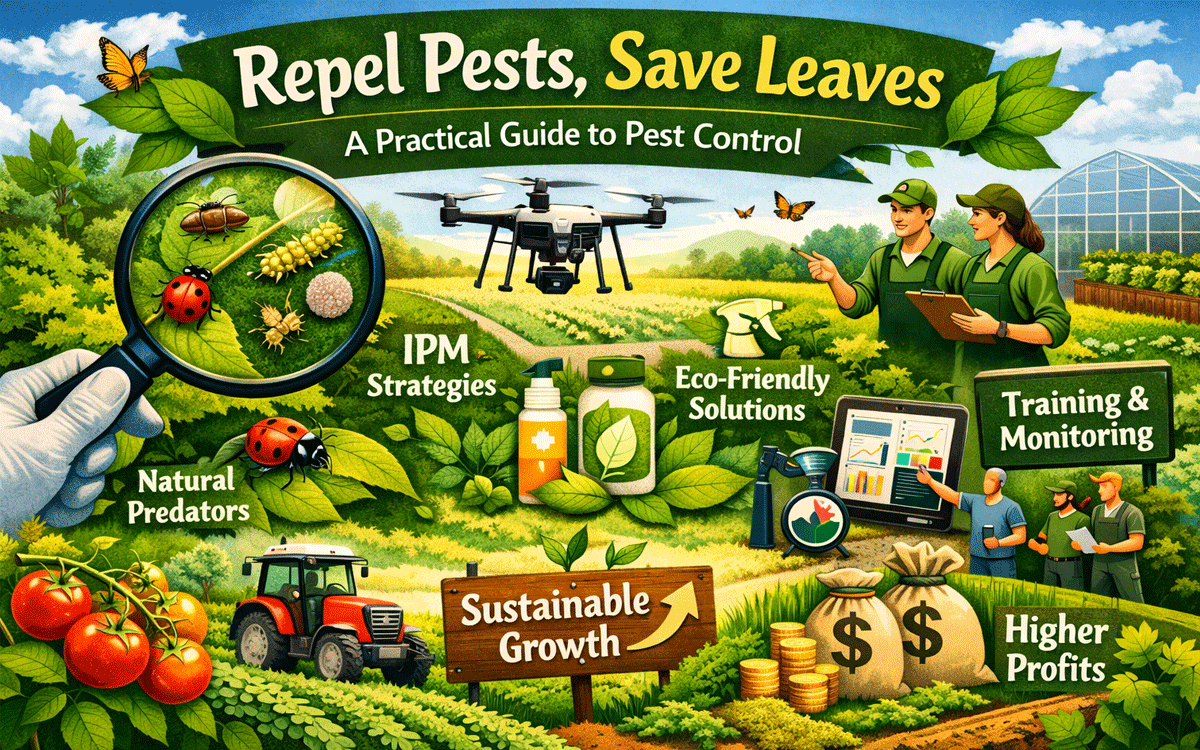
Effective pest control safeguards crops, enhances yield quality, and ensures sustainability. By combining innovative methods with practical solutions, businesses can reduce losses while promoting healthy, vibrant greenery.
Below we Effective Pest Control will discuss various practical and innovative strategies for controlling pests, protecting crops, and increasing the efficiency and profitability of your farming or horticultural business.
Understanding the Pest Problem
Pest infestations can cripple a business by damaging crops and lowering market value. Recognizing the types of pests that threaten plants is the first step toward control. From insects to fungi, each poses unique challenges that require specific strategies.
Identifying the life cycle of pests helps predict outbreaks. Knowing when pests are most active allows for timely interventions. This proactive approach minimizes damage and reduces reliance on harsh chemicals.
Businesses must assess environmental factors influencing pests. Temperature, humidity, and soil health can encourage infestations. By understanding these conditions, owners can implement preventative measures that save both time and money.
Integrated Pest Management (IPM) Strategies
Integrated Pest Management combines multiple methods to control pests efficiently. By mixing biological, cultural, and chemical solutions, IPM reduces overall risk while maintaining plant health. This approach balances productivity with environmental responsibility.
Biological solutions involve using natural predators or beneficial insects. Ladybugs, parasitic wasps, and nematodes can suppress harmful pests effectively. This method decreases chemical dependency and improves ecosystem stability.
Cultural practices like crop rotation, pruning, and sanitation also play a key role. Maintaining plant health and preventing pest-friendly conditions strengthens resistance. Businesses benefit from reduced losses and more sustainable operations.
Innovative Tools and Technologies
Modern pest control is increasingly technology-driven. Smart sensors, drones, and automated monitoring systems detect early signs of infestations. Businesses can respond faster and more precisely, saving both crops and resources.
Eco-friendly sprays and organic repellents offer safer alternatives. These products target pests while minimizing environmental impact. Innovative formulations attract conscious consumers and improve brand reputation.
Data-driven software helps track pest trends over time. Analyzing historical patterns allows businesses to plan preventative measures. This predictive approach optimizes costs and maximizes efficiency in large-scale operations.
Read Also: Practical Solutions To Prevent Pests from Entering Your Home
Training and Workforce Engagement
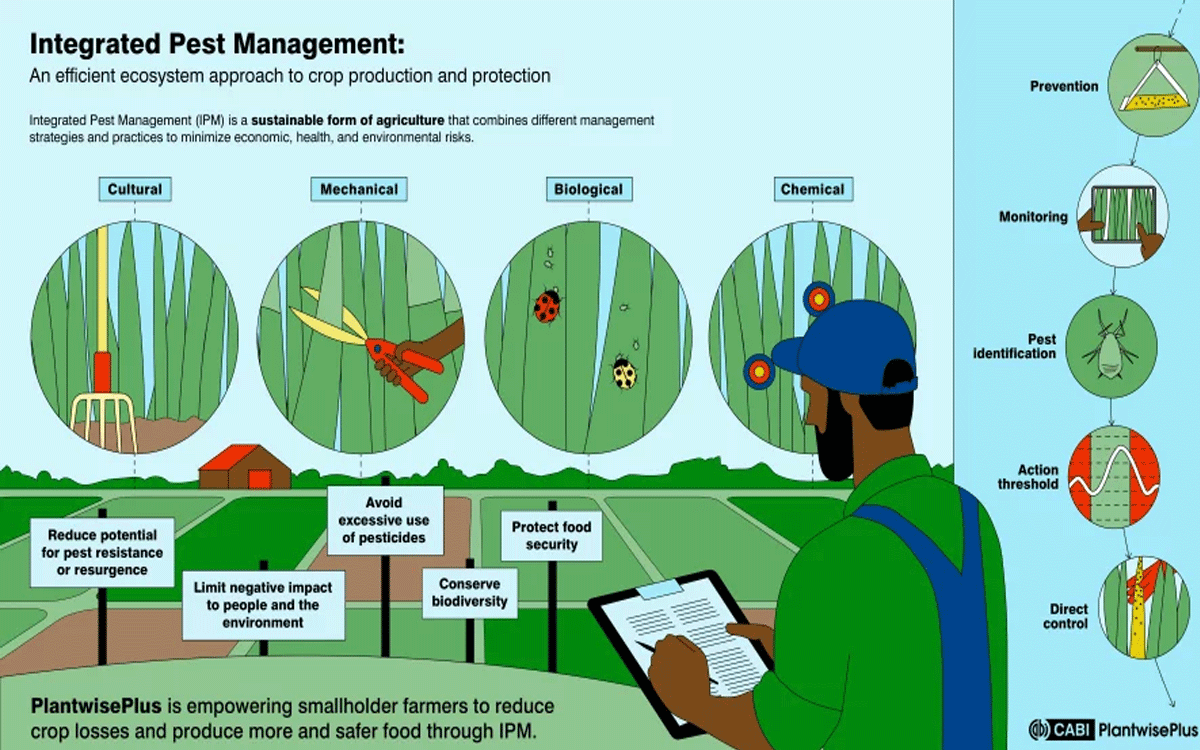
A skilled team is vital for effective pest management. Employees trained to identify pest signs and implement controls can significantly reduce crop loss. Knowledgeable staff also ensure compliance with safety regulations.
Regular workshops and hands-on training keep teams updated on the latest methods. Encouraging employee feedback helps refine strategies and foster innovation. Involving staff in decision-making improves overall efficiency.
Engaging the workforce in monitoring and reporting pests creates accountability. Consistent observation prevents minor problems from escalating. Businesses that empower employees see stronger performance and healthier crops.
Sustainable Growth Through Smart Pest Control
Effective pest control is a cornerstone of business success in agriculture and horticulture. Combining preventive measures, innovative technologies, and trained personnel ensures healthier crops and higher profits.
Sustainable practices attract eco-conscious clients and enhance brand credibility. Businesses that prioritize environmental responsibility position themselves for long-term growth.
By integrating smart strategies and practical solutions, companies can repel pests, protect leaves, and cultivate thriving operations. Investing in pest control is investing in the future.
For more insights on sustainable pest control solutions and innovative farming Effective Pest Control technology, visit guides, products, and services that help your crops thrive.
Image Source:
- First Image from: bugsbegone.org
- Second Image from: bioprotectionportal.com