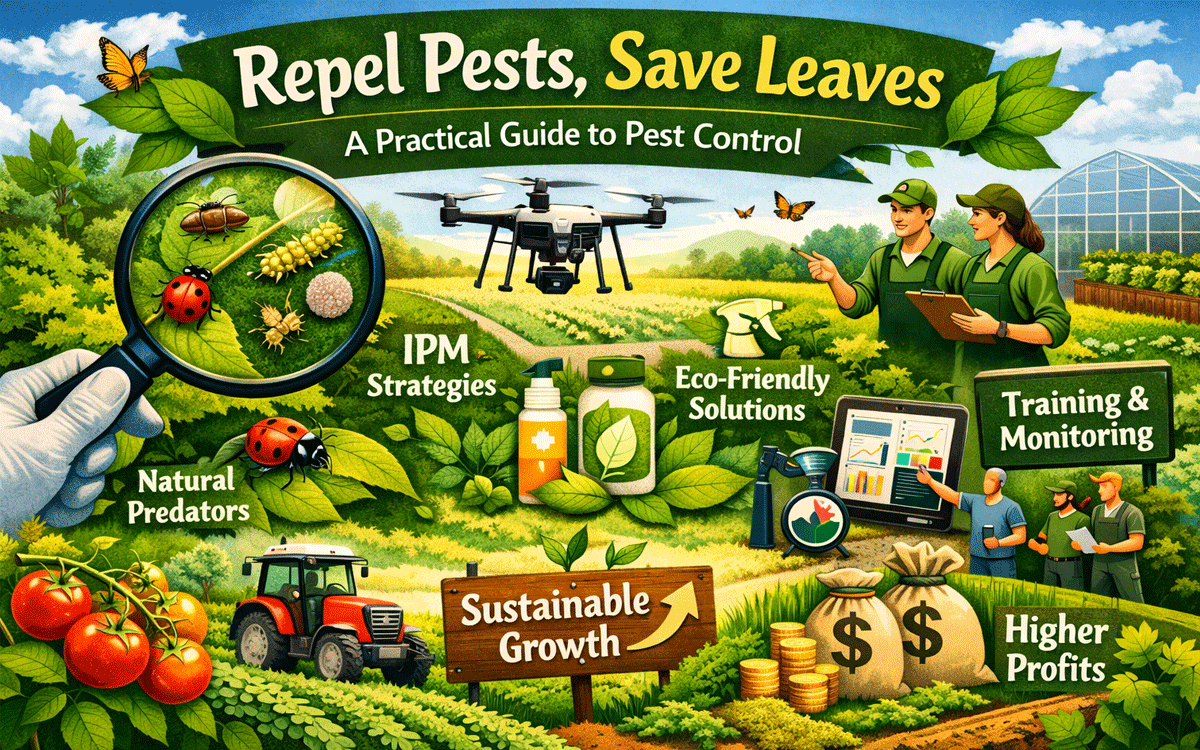
Essential tips for preventing seasonal pests, helping homeowners protect their homes year-round from insects, rodents, and other common invaders.
Pests are more than just a nuisance they can damage your home, contaminate your food, and even pose health risks. Surprisingly, many infestations are seasonal, meaning different pests are more active during certain times of the year. Understanding these seasonal patterns and taking preventive measures can save you time, money, and stress. Here’s a comprehensive guide to staying one step ahead of pests, no matter the season.
Below, Effective Pest Control will provide some explanations regarding seasonal pest control tips you can’t afford to ignore.
Spring: The Awakening of Pests
Spring is a season of renewal, but it’s also the time when many pests come out of hibernation. Ants, termites, and mosquitoes become active as temperatures rise, and they begin searching for food, water, and shelter. Ignoring early signs of infestation can lead to larger problems later in the year.
To combat springtime pests, start by inspecting your home for entry points such as cracks in walls, gaps around windows, and damaged screens. Keeping your yard clean by removing standing water, fallen leaves, and debris can also reduce breeding grounds for insects. Regularly checking for signs of early infestations will allow you to address issues before they become severe.
Summer: The Peak of Pest Activity
Summer’s warmth creates ideal conditions for many pests, including mosquitoes, flies, and wasps. Not only do these pests disrupt outdoor activities, but they can also enter your home in search of cooler spaces. Additionally, summer is the time when termites and ants are most aggressive, potentially causing serious structural damage.
Preventive measures during summer include using screens on windows and doors, sealing food tightly, and eliminating standing water to prevent mosquito breeding. Outdoor maintenance, such as trimming bushes and mowing lawns, can help keep pests at bay. For more persistent infestations, professional pest control services can provide targeted treatments without harming your family or pets.
Autumn: Preparing for Winter Intruders
As temperatures drop, pests like rodents, spiders, and cockroaches begin looking for warmth and shelter inside your home. Autumn is also a time when leaves and decaying vegetation can harbor insects, increasing the risk of infestations. Homeowners often overlook these seasonal invaders, only noticing them when it’s too late.
To protect your home in autumn, inspect your foundation, attic, and basement for gaps or cracks and seal them promptly. Ensure firewood and compost piles are kept away from the house, as they can attract pests. A clean and dry environment, combined with preventive maintenance, can significantly reduce the chances of pests entering your home during the colder months.
Winter: The Hidden Threats
While winter may seem like a time of rest for pests, many rodents and insects remain active indoors. Mice and rats seek warmth, while spiders and cockroaches take advantage of sheltered, quiet areas. Without proper attention, winter can be the start of a prolonged infestation that continues into the spring.
Preventing winter infestations involves maintaining cleanliness, especially in storage areas like attics, basements, and pantries. Store food in sealed containers and regularly inspect for droppings or signs of gnawing. Installing weather stripping and door sweeps can also block entry points, keeping unwanted guests out while maintaining the comfort of your home.
Conclusion
Seasonal pest control is not just about reacting to problems it’s about proactive prevention. By understanding which pests are active during each season and taking strategic measures, you can protect your home, health, and peace of mind. From spring awakenings to winter intruders, a little preparation goes a long way in keeping pests at bay all year round. Don’t wait for an infestation to strike; seasonal vigilance is the key to a pest-free home.
Image Source:
First Image from: fieldworkhq.com
Second Image from: bugsbegone.org