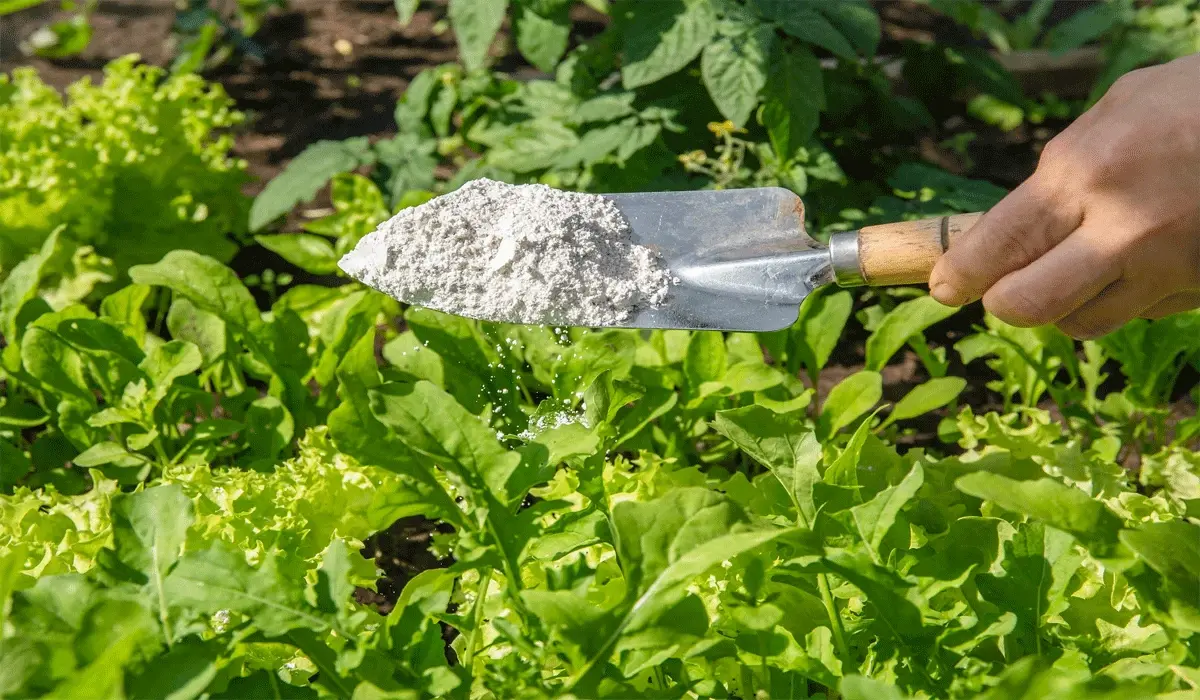
Modern agriculture faces a growing challenge, how to protect crops from pests while minimizing harm to the environment.
Traditional chemical pesticides, although effective, often lead to soil degradation, water contamination, and resistance in pest populations. As a result, farmers and agricultural experts are increasingly turning to environmentally friendly pest control methods. These approaches aim to maintain productivity while preserving ecological balance, ensuring long-term sustainability for future generations.
This Effective Pest Control discusses environmentally friendly pest control in modern agriculture (eco-friendly pest control).
Integrated Pest Management (IPM) Strategies
Integrated Pest Management (IPM) is a holistic approach that combines multiple pest control techniques to reduce reliance on chemical pesticides. It focuses on monitoring pest populations and using targeted interventions only when necessary. One key aspect of IPM is setting action thresholds.
This means farmers only take control measures when pest levels reach a point that could cause economic damage. This reduces unnecessary pesticide use and helps maintain ecological balance. Another important element is combining cultural, mechanical, biological, and chemical methods in a coordinated way.
Biological Control Using Natural Predators
Biological control involves using living organisms to manage pest populations naturally. This method takes advantage of predators, parasites, and pathogens that target harmful insects. For example, ladybugs are widely used to control aphid populations in crops.
Similarly, parasitic wasps can reduce caterpillar infestations without harming beneficial insects or plants. This approach helps maintain biodiversity in agricultural ecosystems. By encouraging natural predator-prey relationships, farmers can reduce dependency on synthetic chemicals while promoting a healthier environment.
Also Read: Effective Tip For Keeping Your Home Clean And Comfortable
Botanical And Organic Pesticides
Botanical pesticides are derived from plants and offer a safer alternative to synthetic chemicals. Ingredients such as neem oil, garlic extract, and pyrethrin are commonly used for pest control. These natural substances break down more quickly in the environment, reducing long-term contamination risks.
They are also less harmful to beneficial insects when used correctly. Organic pesticides are often integrated into sustainable farming systems. While they may require more frequent application, they provide an eco-friendly solution that supports soil and crop health.
Soil Health And Preventive Farming Practices
Healthy soil is the foundation of effective pest control. Strong plants grown in nutrient-rich soil are more resistant to pest attacks and diseases. Farmers can improve soil health by using compost, organic fertilizers, and crop rotation.
These practices enhance microbial activity and create a balanced ecosystem underground. Preventive farming also includes proper irrigation and spacing techniques. By reducing plant stress, crops become less vulnerable to pest infestations and environmental damage.
Smart Monitoring And Precision Agriculture
Technology plays a crucial role in modern pest management. Smart monitoring systems help farmers detect pest activity early using sensors, drones, and data analytics.
Precision agriculture allows targeted interventions, ensuring that treatments are applied only where needed. This reduces chemical usage and improves efficiency. By combining real-time data with sustainable practices, farmers can make informed decisions that protect both crops and the environment.
Conclusion
Environmentally friendly pest control is no longer just an option it is becoming a necessity in modern agriculture. By integrating biological methods, sustainable farming practices, and advanced technology, farmers can effectively manage pests without harming the ecosystem.
These approaches not only protect crop yields but also ensure long-term soil fertility, biodiversity, and environmental health for future generations.
Image Source:
First Image from: bugsbegone.org
Second Image from: gardeningknowhow.com