
Keeping your home pest-free is more than just a convenience, it’s a necessity for health, safety, and comfort.

Pests can invade any area, from the attic to the basement, causing property damage and spreading diseases. Understanding effective strategies for comprehensive pest prevention ensures that every corner of your home is protected, giving you peace of mind and a safe environment for your family. The following will Effective Pest Control discuss Comprehensive Pest Prevention in Every Corner of Your Home.
Identify Common Household Pests
The first step in effective pest prevention is identifying the types of pests that commonly invade homes. Ants, cockroaches, rodents, and spiders are frequent intruders, each with unique behaviors and entry points. Recognizing these pests early allows for targeted prevention and treatment, reducing the risk of infestations.
Knowing the signs of an infestation is crucial. Droppings, chewed materials, unusual odors, and visible nests all indicate pest activity. By monitoring these indicators regularly, homeowners can take action before the problem escalates.
Additionally, understanding the habits of pests helps in designing effective prevention strategies. For example, rodents seek food and shelter in warm, dark areas, while ants often follow trails to food sources. This knowledge allows homeowners to implement measures tailored to each pest type.
Seal Entry Points And Maintain Cleanliness
Preventing pests starts with eliminating entry points. Cracks in walls, gaps around doors and windows, and damaged screens are common access points for insects and rodents. Sealing these openings with caulk, weatherstripping, or mesh prevents pests from entering your home in the first place.
Cleanliness also plays a critical role in pest prevention. Regularly removing crumbs, storing food in sealed containers, and managing trash reduces attractants that lure pests indoors. A clean environment not only discourages pests but also supports overall hygiene and health.
Moreover, maintaining outdoor areas is equally important. Keeping shrubs trimmed, removing standing water, and storing firewood away from the house minimizes shelter and breeding grounds for pests, creating a comprehensive barrier around your property.
Use Natural And Chemical Treatments Wisely
A combination of natural and chemical treatments can effectively manage and prevent pest infestations. Natural solutions like essential oils, diatomaceous earth, and vinegar can deter insects without harmful side effects, making them ideal for families with children or pets.
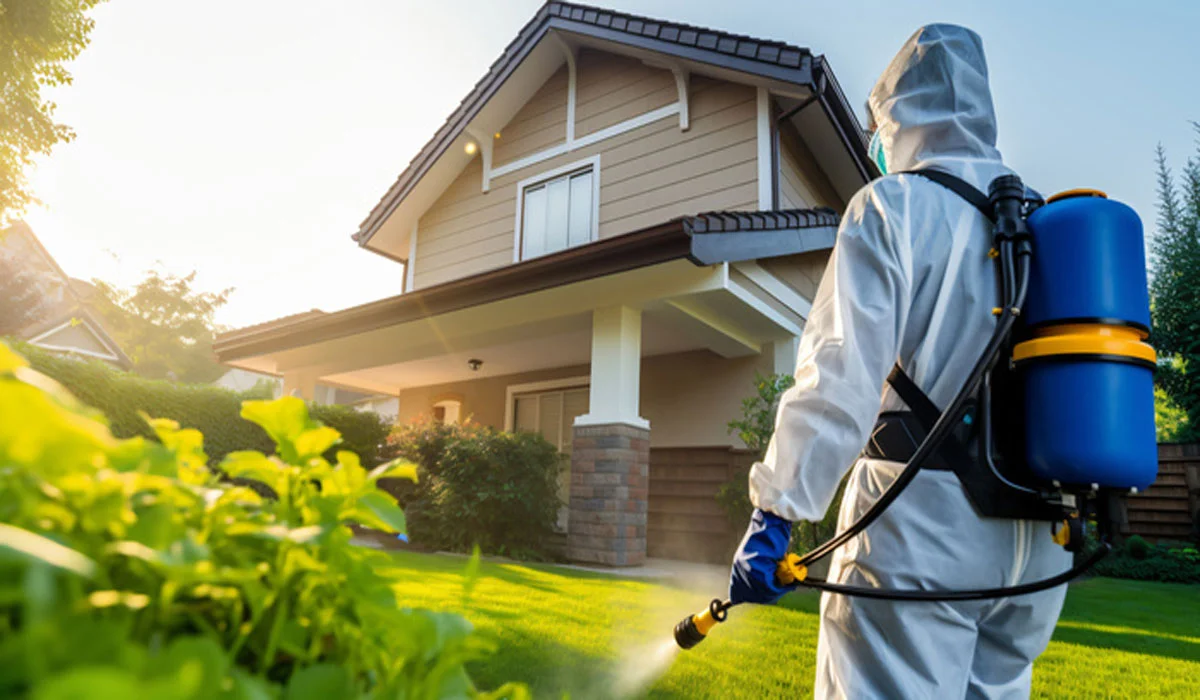
Chemical treatments, including sprays, baits, and traps, may be necessary for more stubborn infestations. It’s important to follow manufacturer instructions carefully to ensure safety and effectiveness. Using chemicals strategically, rather than excessively, helps maintain a balanced approach to pest management.
Rotating between different treatment methods prevents pests from developing resistance. Combining preventive measures with occasional treatments ensures that your home remains protected from both existing and potential threats.
Also Read: Trusted Professional Pest Control Services Protect Your Home
Regular Inspections And Monitoring
Consistent inspections are key to comprehensive pest prevention. Scheduling periodic checks of your home’s interior and exterior helps detect early signs of infestation before they escalate into serious problems. Focus on areas like basements, attics, kitchens, and crawl spaces, which are common hiding spots for pests.
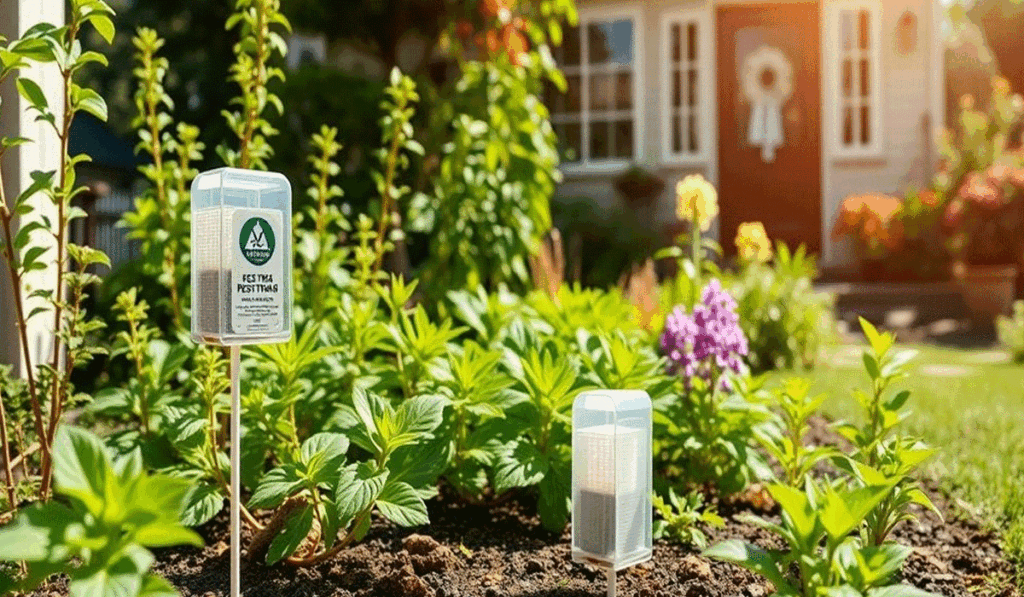
Using monitoring tools like traps, bait stations, and pheromone sensors can provide valuable information on pest activity. Tracking patterns over time allows homeowners to anticipate problems and address them proactively.
In addition, professional pest control services can perform thorough inspections and recommend tailored prevention plans. Regular monitoring combined with expert advice ensures that every corner of your home remains secure against unwanted invaders.
Educate Your Family On Pest Prevention
Involving your family in pest prevention strengthens overall effectiveness. Teaching children and household members about proper food storage, cleaning habits, and reporting signs of pests creates a cooperative environment for maintaining a pest-free home.
Awareness also helps prevent unintentional pest attraction. For example, leaving dirty dishes, open trash, or standing water can negate other preventive measures. Educated household members act as an additional layer of protection.
Finally, fostering good habits consistently ensures long-term success. When everyone in the household understands the importance of pest prevention, it becomes a shared responsibility, keeping your home safe and comfortable year-round.
Conclusion
Comprehensive pest prevention requires a proactive, multi-layered approach. Identifying common pests, sealing entry points, maintaining cleanliness, and using appropriate treatments work together to protect every corner of your home.
Regular inspections, monitoring, and family education strengthen these efforts, ensuring that problems are addressed before they escalate. Combining preventive measures with timely interventions creates a home environment that is safe, healthy, and free from unwanted pests.
By committing to consistent pest prevention strategies, homeowners can enjoy peace of mind and a secure living space, knowing that their home is protected against infestations. Stay tuned Effective Pest Control or further information so you don’t miss out.
Image Source From
First Photo From: adaptivepest.com.au
Second Photo of: Effective Pest Control