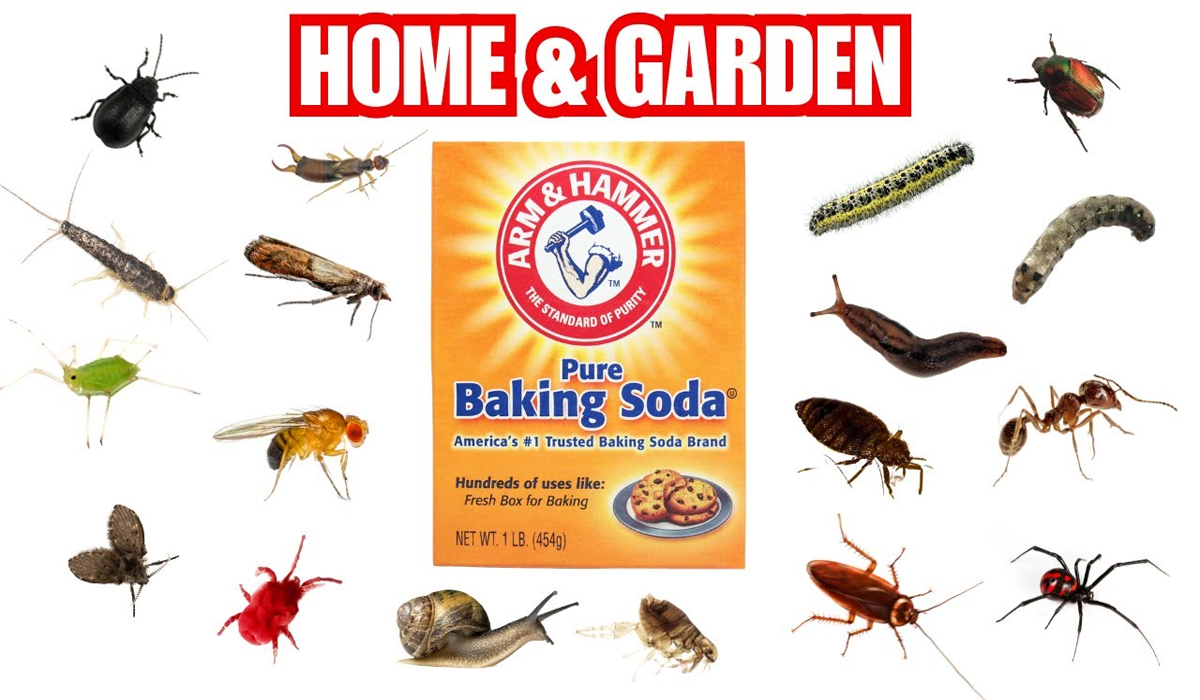
One effective way to reduce the risk of pests in the home is to maintain cleanliness and use pest repellent plants.
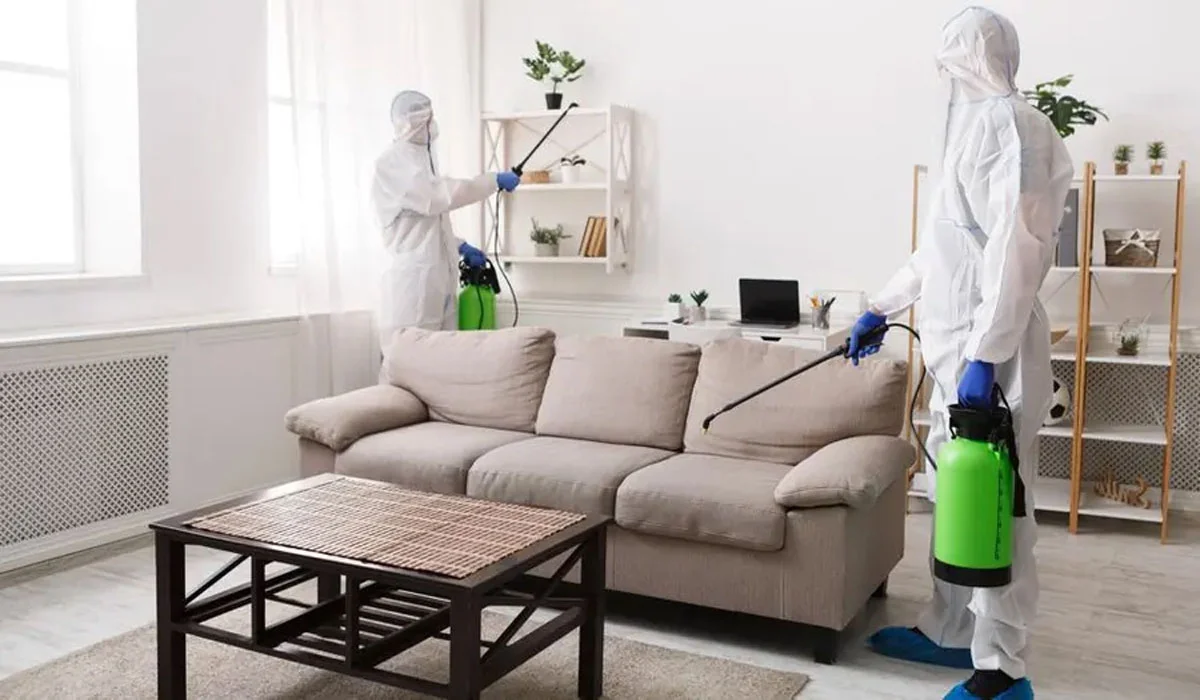
Effective pest prevention is key to maintaining a healthy and comfortable home environment, both indoors and outdoors. Below Effective Pest Control will discuss some important steps you can take for effective pest prevention.
Maintain Regular House Cleaning
Effective pest prevention begins with maintaining regular house hygiene. Pests such as ants, cockroaches, and mice are attracted to food scraps and accumulated garbage. Make sure you clean up food scraps after meals and take out the trash daily. Use closed containers for storing food and avoid accumulating unnecessary items.
Also, keep your kitchen, bathroom, and other areas prone to dirt clean. Effectively managing cleanliness will minimize the opportunity for pests to breed and enter your home. Effective pest prevention is the first step to creating a comfortable and healthy environment.
Using Physical Barriers
Physical barriers are one effective pest prevention method. Installing wire mesh or screens on vents and windows can prevent pests such as mosquitoes, flies, and other insects from entering your home. Additionally, be sure to seal any gaps or cracks in walls or floors with strong filler.
Don’t forget to always close doors and windows tightly, especially at night. By using physical barriers, you can reduce the potential for pests to enter and breed in your home. Besides being easy, this method is very effective in protecting your home without using chemicals.
Also Read: The Secret to Preventing Pests from Entering Your Home
Using Pesticides Correctly

Pesticides can be an effective pest control solution, but they must be used carefully. Choose a pesticide that is safe for humans and pets and suitable for the type of pest you want to eradicate. Spray it in strategic locations such as corners of the house, around drains, or in areas where pests hide.
Avoid excessive use of pesticides, which can harm the surrounding environment. For optimal results, choose environmentally friendly products and adjust the dosage to your needs. Proper use of pesticides can help keep your home pest-free without causing adverse health effects.
Improving the Drainage System
A poor drainage system can become a breeding ground for pests such as mosquitoes and rats. Stagnant water that is not properly managed can become a breeding ground for mosquitoes, which can carry diseases. Therefore, it is important to ensure that drains around the house are functioning properly and are not clogged. Repair or install proper drains to allow water to drain smoothly. By ensuring there is no standing water in the yard or around your house, you can prevent pests from breeding. Effective pest control also involves paying attention to the often-overlooked drainage system.
Planting Pest-Repelling Plants
Planting pest-repelling plants is a natural way to help repel pests around your home. Plants like lemongrass, lavender, mint, or basil have scents that are disliked by many types of insects and pests. These plants can be planted around your home, whether in the garden, yard, or in pots indoors.
In addition to their pest-repelling properties, these plants also add beauty and freshness to your home environment. This way, you can keep your home pest-free without relying on harmful chemicals. Effective pest control with plants is also environmentally friendly.
Image Information Source:
First Image from: www.forbes.com
Second Image from: allpests.com.au