
Effective pest control is essential for maintaining a safe, healthy, and comfortable home environment every member of the household.

Pests are more than just a nuisance they can pose serious health risks to every member of the household. From insects like cockroaches and ants to rodents such as mice and rats, these unwanted intruders carry bacteria, allergens, and even viruses that can compromise the safety of your living environment.
Beyond health concerns, pests can also cause structural damage, chewing through wires, wooden furniture, and insulation, which can lead to costly repairs. Implementing effective pest control strategies is essential not only to maintain a clean and safe home but also to prevent long-term damage that can affect your property value.
In the following, Effective Pest Control will discuss Proven Pest Control Solutions.
Identifying Common Household Pests
The first step in effective pest control is identifying which pests are present in your home. Each type of pest requires a different approach. Cockroaches are attracted to moisture and food residues, making kitchens and bathrooms common hotspots.
Ants tend to invade in search of sugary foods, often forming trails that can lead to unexpected areas. Rodents, on the other hand, seek shelter and warmth, particularly during colder months, entering through cracks in walls, vents, or gaps around doors and windows.
Termites pose a unique challenge because they are largely hidden until significant damage has occurred. Regular inspection of wooden furniture, floors, and structural beams is necessary to spot early signs of infestation.
Similarly, mosquitoes not only irritate but can transmit diseases such as dengue or West Nile virus. Identifying the presence of stagnant water around the home, which serves as mosquito breeding grounds, is key to prevention.
By understanding the habits and entry points of these common pests, homeowners can tailor strategies that are both effective and sustainable.
Maintaining a Clean and Hygienic Home
Sanitation is one of the most effective defenses against household pests. Maintaining cleanliness reduces the food, water, and shelter that pests rely on. Regular sweeping, vacuuming, and mopping, especially in kitchen and dining areas, can eliminate crumbs and residues that attract insects.
Trash bins should be sealed tightly and emptied frequently to prevent odors that draw pests. Proper storage of food in airtight containers further ensures that pests cannot access their primary food sources.
Beyond cleanliness, addressing moisture issues is equally important. Leaky pipes, stagnant water, and damp basements create ideal breeding grounds for cockroaches, mosquitoes, and other pests.
Installing dehumidifiers, repairing plumbing issues, and ensuring proper ventilation in damp areas can significantly reduce the likelihood of infestations.
Regular cleaning under sinks, behind appliances, and in hidden corners prevents pests from establishing nests in hard-to-reach areas. Essentially, a clean, dry, and organized home forms the foundation of proactive pest management.
Baca Juga: Stubborn Pests? Here’s a Proven Pest Control Solution
Understanding The Importance of Pest Control

Pests are more than just an annoyance they pose serious health risks and can cause structural damage to homes. From rodents and cockroaches to ants and mosquitoes, these unwanted guests can contaminate food, trigger allergies, and even spread diseases.
Effective pest control is therefore essential not just for cleanliness, but also for the safety and well-being of every household member. Understanding the types of pests common in your area and the habits they exhibit is the first step toward keeping them at bay.
For instance, termites silently destroy wooden structures over time, while mosquitoes are vectors for diseases like dengue and malaria.
Recognizing early signs of infestation, such as droppings, chewed materials, or unusual sounds in walls, can help homeowners act before the problem escalates.
Choosing Safe and Effective Pest Control Methods
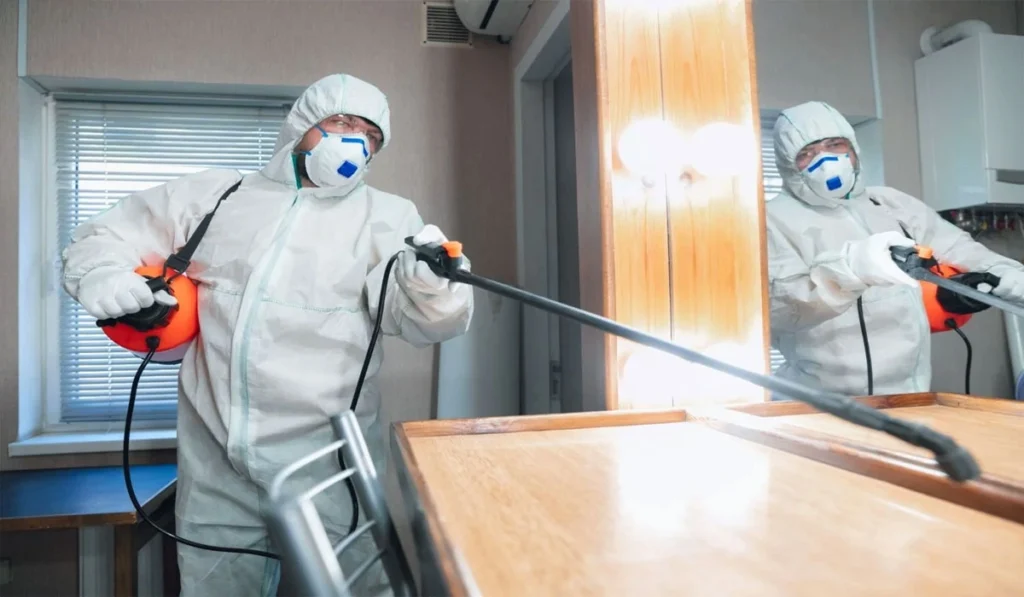
Selecting the right pest control methods is critical for both effectiveness and household safety. Many homeowners turn to chemical sprays, baits, and traps, which can deliver quick results but require careful handling to avoid harm to humans and pets. When using chemicals, following label instructions and applying them in targeted areas rather than indiscriminately ensures safety and efficiency.
Integrated Pest Management (IPM) is an approach that combines sanitation, structural maintenance, monitoring, and targeted chemical treatment. IPM focuses on long-term prevention rather than one-time eradication, using environmentally friendly solutions wherever possible.
For severe infestations, professional pest control services may be necessary. Licensed technicians have access to specialized treatments and equipment, and they can design customized plans to prevent recurrence.
Combining preventive measures, proper home maintenance, and professional support when needed creates a comprehensive defense against pests, ensuring a healthy and comfortable living environment.
Watch and keep following, don’t miss the most complete information regarding Effective Pest Control.