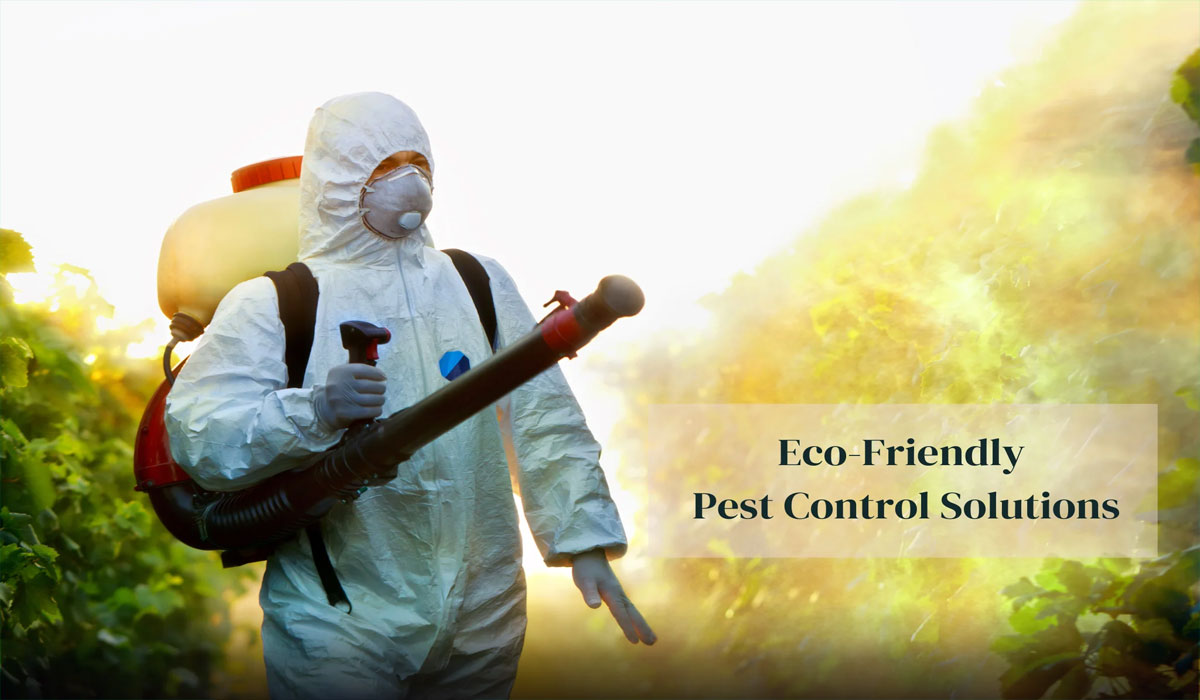
In today’s modern era, the challenges of maintaining a clean and healthy environment are increasing.
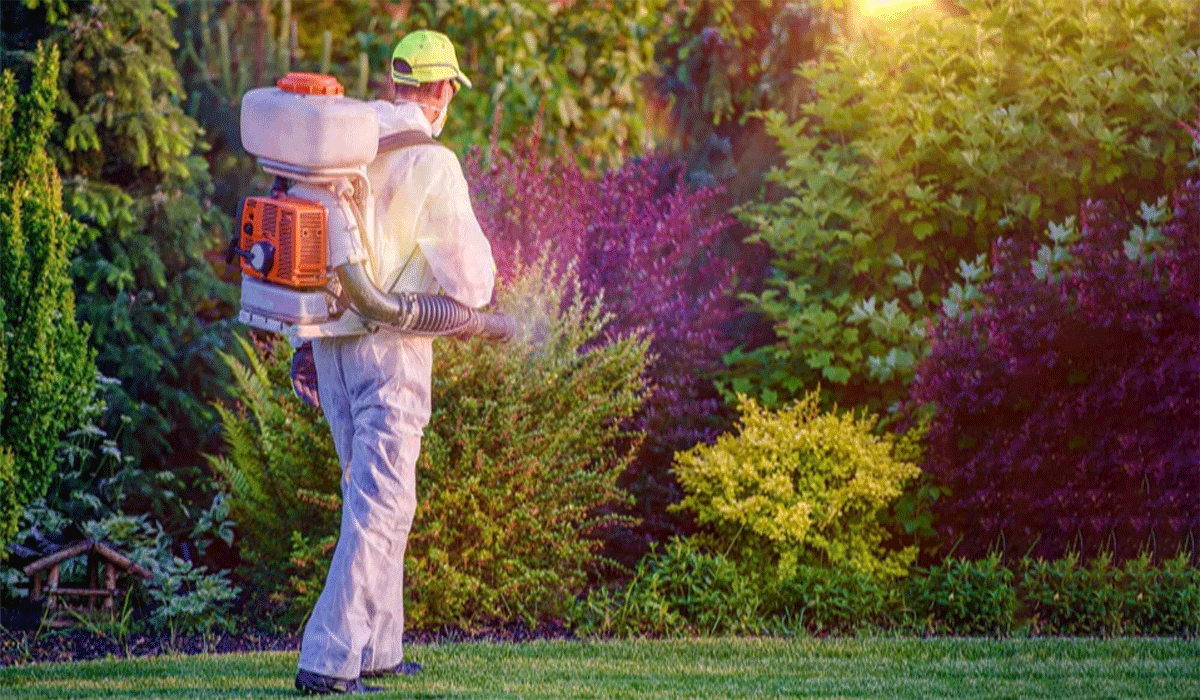
Pests are not only a hygiene problem but can also carry various diseases that endanger the health of humans and pets. Therefore, it is important for everyone to understand effective pest control methods, both inside and outside the home.
By combining clean living habits, the use of modern technology, and environmental cooperation, communities can create a healthier, safer, and pest-free environment in the future. Here Effective Pest Control is a simple guide to understanding how to effectively prevent and control pests in and around your home and environment.
Keeping Homes Safe from Indoor Pests
Pests are always looking for food, water, and shelter inside homes. That is why keeping the house clean is the first step to stopping them. Storing food in sealed containers, cleaning kitchen surfaces, and throwing away trash regularly can reduce pest attraction. Small habits like wiping spilled drinks and sweeping food crumbs can make a big difference in preventing insects and rodents from entering living spaces.
Structural maintenance is also important in pest control. Tiny cracks in walls, damaged window screens, or leaking pipes can become entry points for pests. Installing mesh screens on windows and fixing damaged house parts quickly will help block pest access. Preventing pests from entering is cheaper and easier than trying to remove them after they settle inside the house.
Natural pest repellents are another easy solution. Plants like mint and lavender or natural essential oils can help keep insects away. These natural methods are safe for children and pets, making them popular among modern households. Combining cleanliness, structural protection, and natural repellents can create a comfortable indoor environment free from pests.
Preventing Pest Breeding Grounds
Outdoor areas often become breeding places for pests due to moisture and organic waste. One important prevention method is removing standing water around the house. Water in flower pots, gutters, or old containers can attract mosquitoes and other insects. Regularly checking and cleaning water drainage systems can reduce health risks caused by mosquito-borne diseases.
Garden maintenance also plays a big role in pest control. Cutting grass regularly and removing dry leaves will reduce hiding places for pests. A well-maintained garden not only looks beautiful but also makes it harder for pests to survive and reproduce. Simple landscaping habits can improve both environmental health and home comfort.
Natural predators can help control pest populations outdoors. Birds and beneficial insects help maintain ecological balance. Supporting natural ecosystems is an environmentally friendly method that reduces the need for chemical pest control. This approach supports long-term sustainability while protecting surrounding wildlife.
Also Read: Natural Eco Friendly Pest Solutions Keep Homes Safe Always
Smart Technology for Modern Pest Control

Technology has changed how people manage pest problems today. Electronic traps, motion sensors, and smart monitoring systems can detect pests early. These devices help homeowners take action before pests spread widely. Early detection is important for preventing larger infestations that are harder to control.
Modern pesticides are also becoming safer and more targeted. New pesticide products are designed to affect only specific pests while protecting other living organisms. This development helps maintain environmental balance and reduces health risks for humans and pets. Responsible pesticide use is essential for safe pest management.
Public education about modern pest control technology is also important. People need to understand how to use technology safely and effectively. Knowledge sharing through community programs can help people choose the best pest control methods for their homes and surroundings.
Community Cooperation for
Community cooperation plays a big role in pest control success. When neighbors work together to keep their environment clean, pest spread can be reduced. Shared efforts such as neighborhood cleaning programs can create stronger protection against pests. Collective action is more effective than individual efforts alone.
Schools and local organizations can help spread awareness about pest dangers. Educational programs about hygiene and environmental health can teach people better prevention habits. Children can also learn early about the importance of keeping their environment clean and healthy.
Good communication between community members helps maintain long-term. Reporting pest problems early can prevent infestations from spreading to nearby houses. Strong community awareness creates safer and healthier living environments for everyone.
Building a Pest-Free Future Together
Effective pest management requires a combination of cleanliness, technology, and social responsibility. Everyone has a role in maintaining a healthy environment. Small daily habits can create big changes in long-term pest control success.
Future pest control strategies will likely focus more on sustainable and eco-friendly solutions. Using natural methods and smart technology together will help protect both humans and nature. Sustainable pest management is becoming a global priority in modern environmental protection.
Creating a pest-free environment is not impossible. With proper knowledge, modern tools, and strong community cooperation, people can live more comfortably and safely. Healthy environments start with simple actions from every individual. By implementing Effective Pest Control effective pest control management, the home and surrounding environment can remain protected, clean, and comfortable for the long term.