
Leaf caterpillars are among the most common yet destructive pests that relentlessly threaten vegetable crops worldwide.
Their voracious feeding can damage leaves, stunt growth, and reduce yields. Traditional chemical pesticides often harm the environment and beneficial organisms. Therefore, finding environmentally friendly, sustainable methods to control leaf caterpillars is crucial for modern agriculture.
Below we Effective Pest Control will discuss various environmentally friendly methods for controlling leafhoppers in vegetable crops, including innovative methods that are safe for the environment, support agricultural resistance, and maintain plant health and productivity.
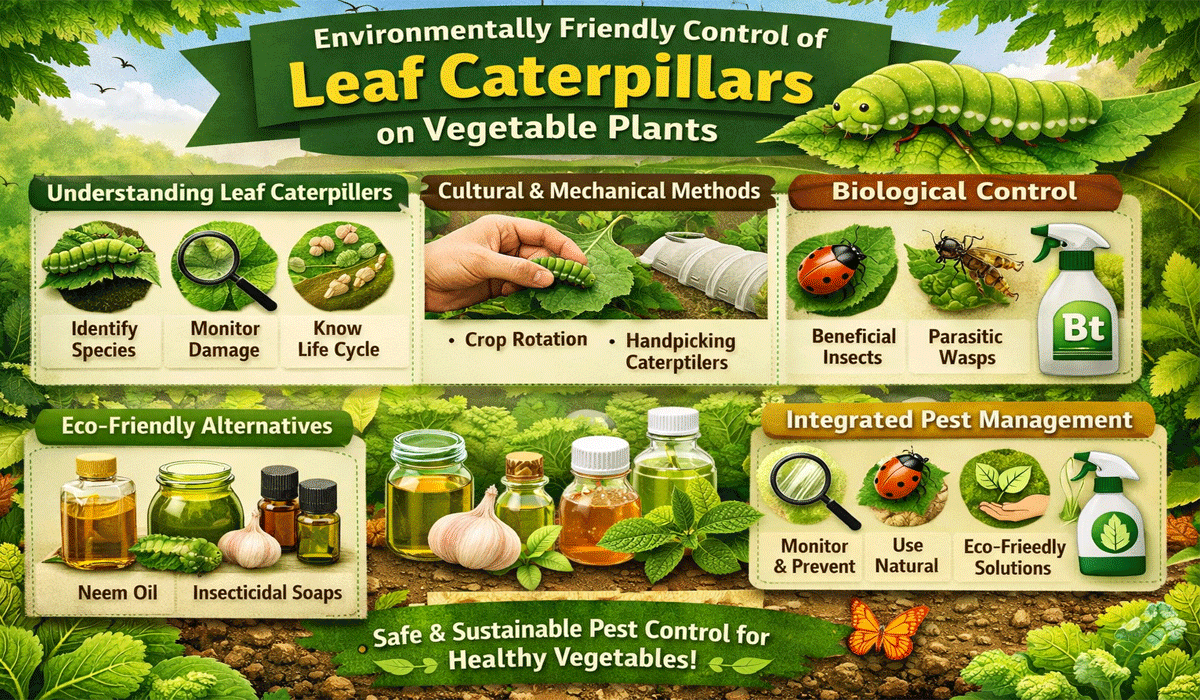
Understanding Leaf Caterpillars
Leaf caterpillars are the larvae of various moth species, including cabbage loopers and armyworms. They feed primarily on leaves, creating holes and skeletonizing the foliage. Early detection is key to preventing severe infestations.
Caterpillars are highly adaptable, thriving in warm, humid environments. They can reproduce quickly, leading to sudden population surges. Monitoring leaf surfaces regularly helps identify damage before it spreads.
Recognizing caterpillar species is essential for targeted control. Different species respond differently to natural predators and bio-pesticides. Knowledge of their life cycle improves timing of interventions, reducing unnecessary treatments.
Cultural And Mechanical Control Methods
Crop rotation helps prevent caterpillar buildup by breaking their life cycle. Planting non-host crops reduces the chance of infestations. Seasonal adjustments in planting can also minimize pest pressure.
Handpicking caterpillars from leaves is an effective, chemical-free approach for small-scale gardens. Using gloves and placing the pests in a collection container reduces spread. This method is labor-intensive but environmentally safe.
Physical barriers like row covers and netting prevent adult moths from laying eggs. Mulching can deter pupation on soil surfaces. These techniques combine with monitoring to reduce pest incidence naturally.
Biological Control
Predatory insects, such as ladybugs and lacewings, feed on caterpillar eggs and larvae. Introducing or encouraging these beneficial insects enhances natural pest suppression. Maintaining a diverse garden ecosystem supports their survival.
Parasitic wasps, including Trichogramma species, lay eggs inside caterpillar eggs, preventing larvae from hatching. This approach offers long-term pest reduction without chemicals. Releasing wasps at optimal times improves effectiveness.
Bacillus thuringiensis (Bt), a naturally occurring bacterium, targets caterpillar larvae specifically. Spraying Bt on affected plants disrupts larval feeding while leaving other insects unharmed. It is safe for humans and beneficial fauna.
Read Also: Don’t Wait for It to Break! The Complete Guide to Home Maintenance & Security
Eco-Friendly Chemical Alternatives
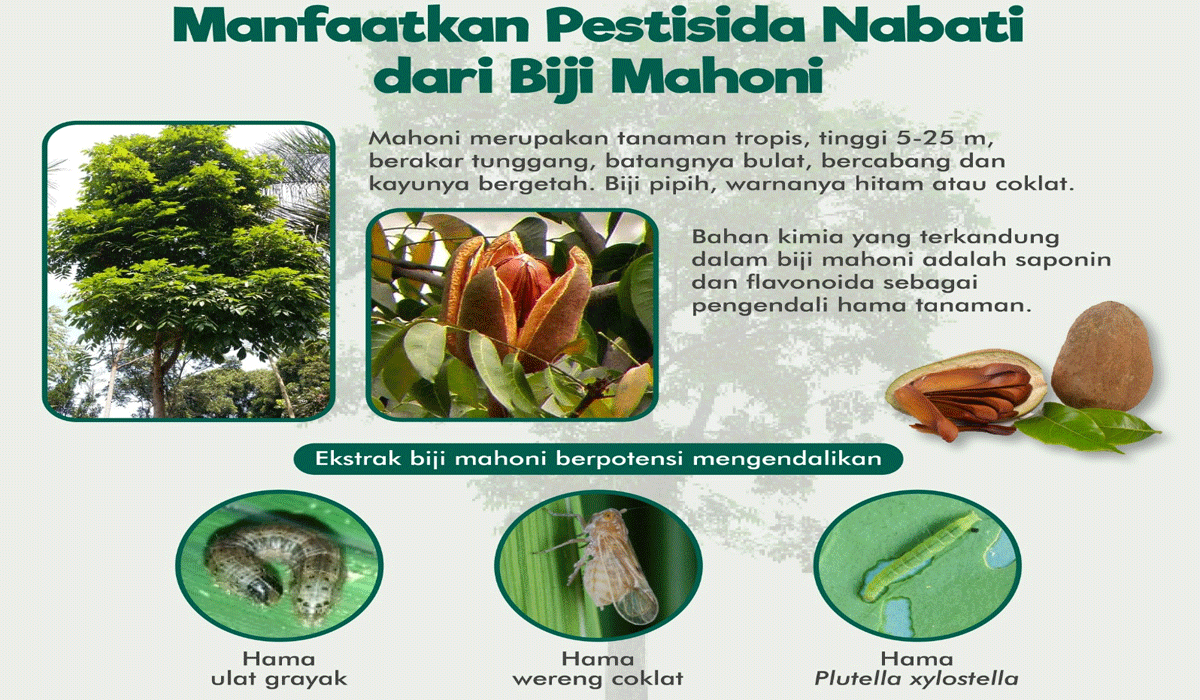
Neem oil, derived from the neem tree, acts as a repellent and growth inhibitor. It interferes with caterpillar feeding and reproduction. Regular application on leaves helps manage infestations naturally.
Insecticidal soaps provide a safe alternative for soft-bodied caterpillars. These soaps penetrate the insect’s outer layer, causing dehydration. They are biodegradable and non-toxic to beneficial insects when used properly.
Essential oils, such as garlic and peppermint, can deter caterpillars. Sprays formulated from these oils create an unpleasant environment for pests. Combining oils with other methods increases overall effectiveness.
Integrated Pest Management And Conclusion
Integrated Pest Management (IPM) combines monitoring, biological control, cultural practices, and eco-friendly chemicals. IPM reduces reliance on synthetic pesticides, protecting the environment. Farmers can adapt IPM strategies to suit local conditions.
Early detection, preventive measures, and natural predators form the core of sustainable caterpillar management. Collaboration between farmers and researchers enhances innovative solutions and promotes environmentally responsible practices.
In conclusion, controlling leaf caterpillars on vegetable plants does not require harmful chemicals. By using cultural, mechanical, biological, and eco-friendly approaches, farmers can maintain healthy crops while protecting biodiversity. Environmentally friendly pest control ensures sustainable agriculture for future generations.
For more information on environmentally friendly pest control methods and sustainable farming tips, visit Effective Pest Control
Image Source:
- First Image from bugsbegone.org
- Second Image from pustaka.bppsdmp.pertanian.go.id
