Tropical fruit farmers face a relentless enemy: fruit flies, tiny pests that cause huge damage and reduce crop yields.
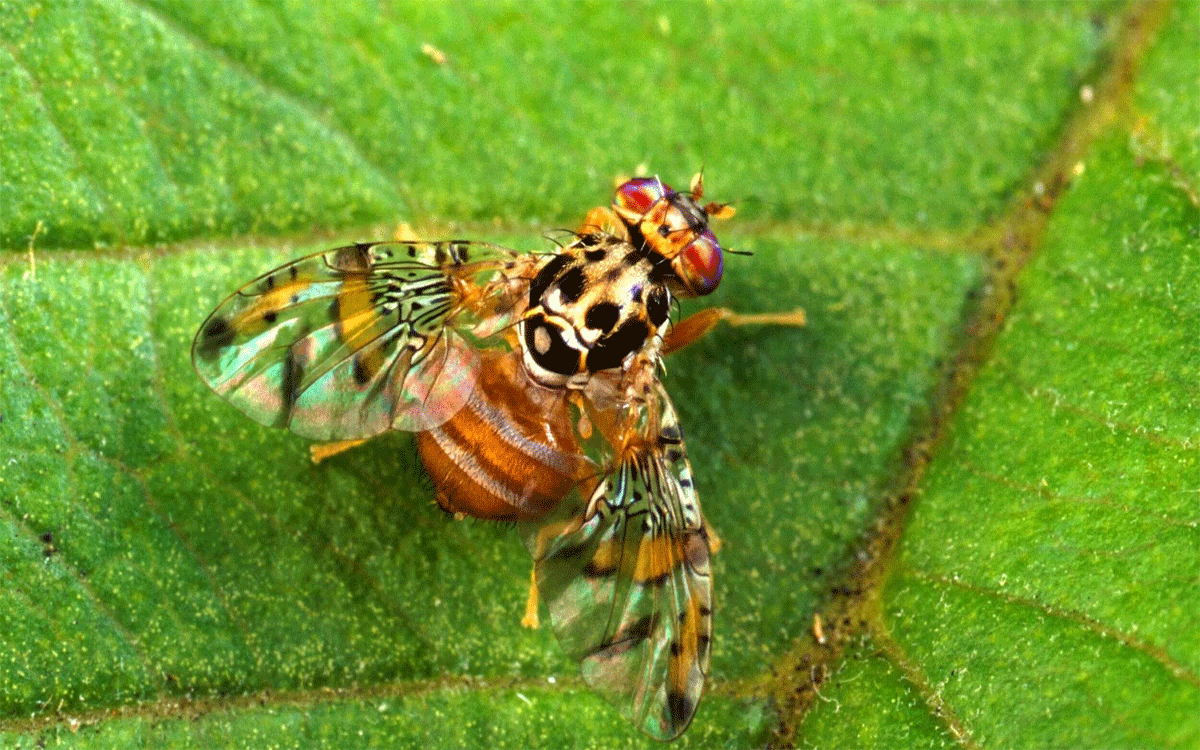
Their presence is often invisible until fruit is already infested, making early detection and control critical. By understanding their biology, habits, and effective management strategies, farmers can better protect their harvests.
Fruit flies may be small, but their impact on tropical fruit farms is enormous, silently destroying harvests and threatening farmers’ livelihoods Effective Pest Control.
Tiny Invaders with a Big Impact
Fruit flies may measure only 3–5 mm, but their impact is enormous. They lay eggs inside ripening fruits, where larvae feed on the pulp. Infested fruits rot from the inside, often before farmers notice the problem.
The economic consequences are severe. Infestations reduce marketable yield and lead to significant financial losses. Export markets are especially strict, rejecting fruits showing even minor infestation signs.
These pests are highly adaptable. They attack a wide variety of fruits, from mangoes and guavas to citrus and papayas. Their versatility allows them to thrive in diverse tropical environments, making them difficult to eradicate.
Life Cycle And Reproduction
Female fruit flies lay hundreds of eggs per fruit. Once hatched, larvae tunnel into the fruit, feeding and growing rapidly. In just a few days, the fruit becomes unmarketable.
In tropical climates, the life cycle can be as short as 7–10 days, meaning multiple generations can appear within a single fruiting season. This rapid reproduction allows populations to increase exponentially, overwhelming orchards.
Farmers who understand this cycle can act strategically. Removing fallen or infested fruits disrupts reproduction, while monitoring adult flies helps predict outbreaks. Timely action is key to preventing widespread damage.
Favorite Targets And Damage Patterns
Fruit flies target soft, sweet, and ripe fruits, often ignoring unripe produce. Mangoes, guavas, papayas, and citrus are particularly vulnerable. Their selective feeding can devastate premium fruits, affecting both local sales and exports.
The damage is often hidden. Larvae feeding inside fruit cause internal rot, which may only appear externally when decay is advanced. Secondary infections by fungi and bacteria worsen the problem, sometimes attracting other pests.
Detection is difficult. Infestations are usually noticed when damage is already extensive. This hidden nature requires farmers to employ proactive monitoring techniques rather than reacting after the fact.
Read Also: Proactive Pest Prevention: Indoor And Outdoor Solutions That Work
Control Strategies And Innovations

Traditional methods include traps, bait sprays, and sanitation practices like removing fallen fruits. These reduce breeding sites and lower adult populations.
Modern innovations enhance control efforts. Sterile insect techniques release sterilized males to reduce reproduction, while pheromone traps lure and capture adults. Biological controls using natural predators also offer sustainable solutions.
Integrated Pest Management (IPM) combines multiple methods. By monitoring populations, applying targeted interventions, and incorporating eco-friendly approaches, farmers can manage fruit fly infestations effectively while minimizing environmental impact.
Conclusion: Protecting Tropical Fruit Yields
Fruit flies are small but formidable enemies that can severely reduce tropical fruit yields. Their rapid reproduction, selective feeding, and hidden damage make them challenging to control.
A deep understanding of their biology, preferred hosts, and damage patterns allows farmers to implement effective and innovative strategies. Prevention, early detection, and timely intervention are far more efficient than attempting control after infestations escalate.
Through integrated approaches, including traditional sanitation, modern traps, and biological controls, tropical fruit farmers can reduce losses, protect quality, and secure their livelihoods. Fruit flies may be relentless, but informed and proactive management can keep orchards thriving.
Learn more about effective fruit fly management strategies and how to protect your tropical crops Effective Pest Control.
Image Information Source:
- First Image : bioprotectionportal.com
- Second Image : doctoragro.pe