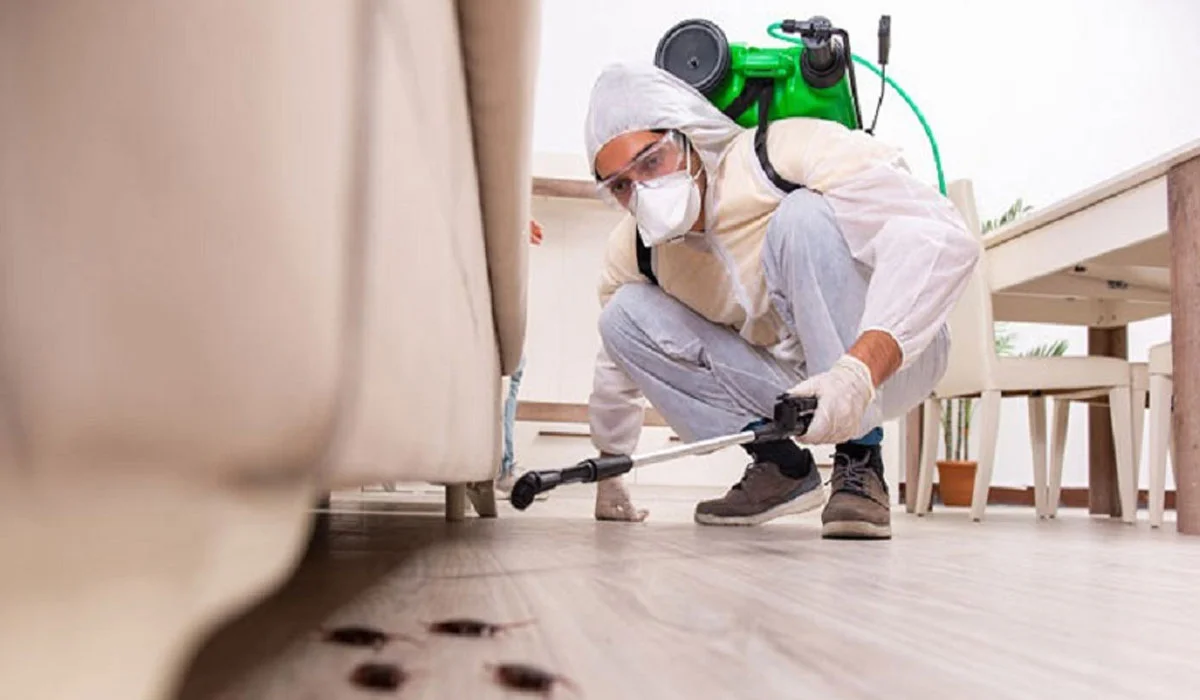
Household pests such as cockroaches, rats, ants, mosquitoes, and termites are common problems faced by many homeowners.

While they may seem like minor annoyances at first, pests can quickly become serious threats. They not only disturb daily comfort but also spread disease, contaminate food, and damage property. Unfortunately, many people still depend on harsh chemical pesticides to solve pest problems, without considering the long-term consequences.
Chemical-based pest control products can leave toxic residues in the air, on surfaces, and in the soil. These substances can affect children, pets, and even adults with long-term exposure. Eco-friendly pest control offers a safer and more sustainable solution.
The guide, Effective Pest Control will offer environmentally responsible methods that homeowners can use to protect their homes without harming their health or the environment.
The Hidden Risks of Household Pests
Pests are more than just unpleasant visitors. Rats and mice carry bacteria that can contaminate food and surfaces, leading to serious illnesses. Cockroaches are known to spread germs and trigger allergies, especially in children. Mosquitoes pose an even greater risk, as they can transmit diseases such as dengue fever and malaria.
In addition to health risks, pests can cause significant structural damage. Termites are one of the most destructive household pests, silently feeding on wood and weakening building structures over time. By the time the damage is visible, repairs can be expensive and extensive.
Understanding these risks highlights the importance of early pest control and prevention. Choosing safe and effective methods helps protect both health and property in the long run.
What Makes Eco-Friendly Pest Control Different
Eco-friendly pest control focuses on prevention, control, and long-term management without relying on toxic chemicals. Instead of killing pests aggressively, this approach aims to reduce infestations while maintaining environmental balance.
This method uses natural substances, physical barriers, and habitat management to make homes less attractive to pests. By targeting the root causes of infestations, eco-friendly solutions reduce the chance of pests returning.
Another advantage is safety. These methods are designed to minimize exposure to harmful substances, making them ideal for homes with children, elderly family members, and pets.
Natural Pest Control Methods That Work
Natural pest control methods use plant-based ingredients, essential oils, and household materials. Vinegar, baking soda, and citrus oils can repel insects without harmful side effects. Certain plants, such as mint and lavender, also act as natural pest deterrents.
Cleanliness is one of the most powerful natural pest control tools. Regular cleaning removes food sources and nesting areas that attract pests. Proper food storage and waste disposal reduce the likelihood of infestations.
Simple home maintenance also plays an important role. Sealing cracks, fixing leaks, and improving ventilation prevent pests from entering and settling inside the home.
Read Also: Tips for Choosing the Right Professional Pest Control Service
Prevention as the Key to Long-Term Control

Preventing pests is easier, safer, and more cost-effective than eliminating large infestations. A clean, dry, and well-maintained home naturally discourages pest activity.
Routine inspections allow homeowners to identify early signs of pests, such as droppings, bite marks, or unusual odors. Kitchens, bathrooms, basements, and outdoor areas should receive special attention.
Early prevention reduces the need for aggressive treatments and supports long-term pest management using eco-friendly methods.
When Professional Pest Control Is Necessary
Some pest problems cannot be handled with home remedies alone. Severe infestations or hidden pests like termites often require professional assistance.
Eco-friendly pest control professionals use advanced techniques that are safe and effective. They accurately identify pest species and apply targeted treatments to eliminate infestations without unnecessary chemical use.
Professional services also offer long-term prevention plans, helping homeowners maintain pest-free environments while minimizing environmental impact.
Conclusion
Eco-friendly pest control is a responsible and effective way to protect your home. By understanding pest risks, using natural control methods, focusing on prevention, and seeking professional help when needed, homeowners can create a healthy, safe, and sustainable living environment. Choosing green pest control not only protects your family and property but also contributes to a cleaner and safer planet for future generations.
Watch and keep following, don’t miss the most complete information regarding Effective Pest Control.
Image Source:
First Image from: hopperenvironmentalservices.com
Second Image from: kingsland.ae