Keeping your home safe from pests doesn’t have to mean exposing your family and pets to harmful chemicals.
Green pest control offers sustainable, eco-friendly ways to manage unwanted invaders while protecting the environment. By adopting natural strategies, you can maintain a healthy and comfortable living space. The following Effective Pest Control will explain about green pest control tips for every home.
Understanding Green Pest Control
Green pest control focuses on using environmentally friendly methods to prevent and eliminate pests. Unlike conventional chemical pesticides, green solutions rely on natural ingredients and techniques that minimize harm to humans, pets, and beneficial insects. This approach emphasizes prevention and long-term solutions rather than quick fixes.
Adopting green pest control requires understanding the life cycles and habits of common household pests. By knowing what attracts pests, homeowners can implement strategies to make their environment less hospitable. This might include proper waste management, eliminating standing water, or sealing potential entry points.
Another benefit of green pest control is its compatibility with organic gardening and sustainable living practices. By avoiding toxic chemicals, homeowners can protect pollinators such as bees and butterflies, ensuring that their yards remain healthy and vibrant. With knowledge and persistence, green pest control can be both effective and safe.
Natural Repellents and Homemade Solutions
One of the easiest ways to implement green pest control is through natural repellents. Essential oils such as peppermint, eucalyptus, and citronella are highly effective at deterring insects like ants, mosquitoes, and spiders. These oils can be diluted with water and sprayed around windows, doors, and other entry points.
Homemade solutions also provide a practical alternative to chemical sprays. For example, a mixture of baking soda and sugar can effectively target ants by attracting and neutralizing them. Similarly, diatomaceous earth, a naturally occurring silica compound, can be sprinkled in areas where pests frequent. It works by dehydrating insects without posing risks to humans or pets.
Plants can also serve as natural pest deterrents. Marigolds, basil, and lavender are known to repel a variety of insects while enhancing the aesthetics of your home and garden. By strategically placing these plants near entrances or in gardens, homeowners can create a dual-purpose defense system that is both effective and eco-friendly.
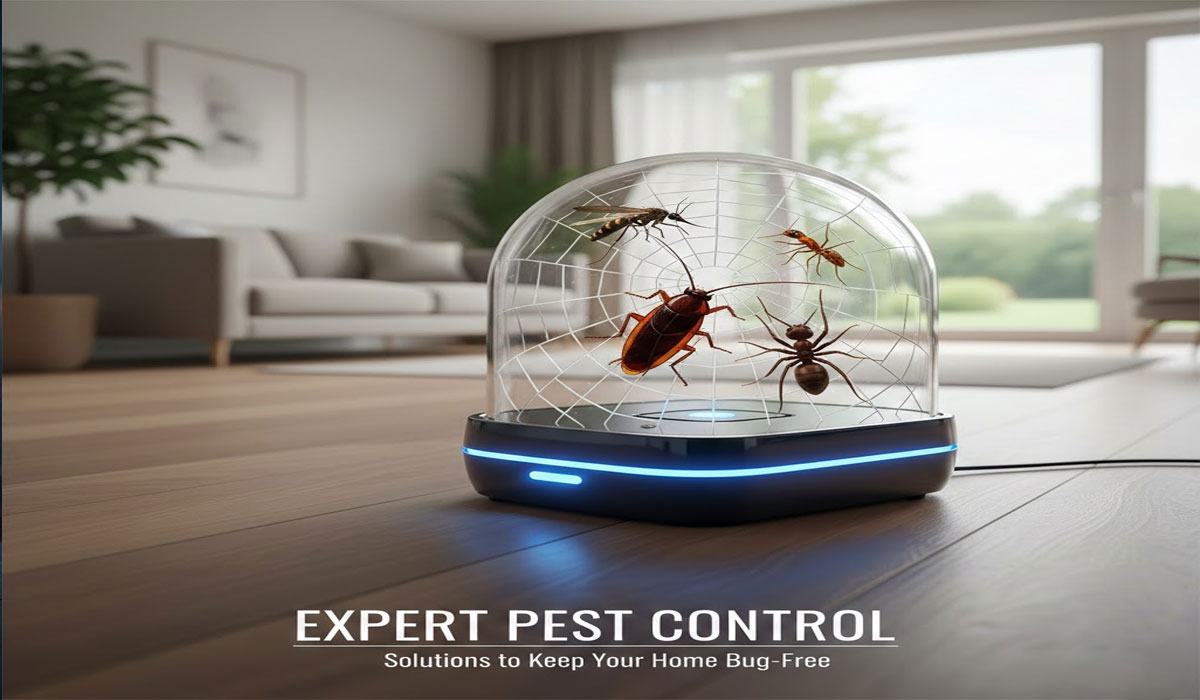
Also Read: Expert Pest Control: Solutions to Keep Your Home Bug-Free
Preventive Measures for a Pest-Free Home

Prevention is a cornerstone of green pest control. Maintaining cleanliness and proper hygiene reduces the likelihood of infestations. Regularly disposing of garbage, cleaning up food crumbs, and storing pantry items in airtight containers can make a significant difference in keeping pests away.
Home maintenance also plays a crucial role. Sealing cracks, repairing leaky pipes, and ensuring proper ventilation prevents pests from finding shelter and water sources. Additionally, installing screens on windows and doors can reduce the entry of flying insects without resorting to chemical repellents.
Landscaping choices contribute to long-term pest prevention as well. Keeping grass trimmed, removing debris, and planting pest-repellent species can reduce nesting opportunities for rodents and insects. By combining indoor and outdoor preventive strategies, homeowners create a comprehensive approach that minimizes pest problems naturally.
Beneficial Insects and Eco-Friendly Control
Not all insects are enemies; some can be allies in controlling pests naturally. Ladybugs, praying mantises, and certain types of wasps prey on harmful insects, reducing the need for chemical intervention. Introducing or encouraging these beneficial insects helps maintain ecological balance in your garden.
Encouraging birds and small mammals can also contribute to pest management. Birds feed on insects, while certain mammals like hedgehogs can reduce populations of garden pests. Providing safe habitats and food sources for these creatures promotes biodiversity while keeping pest numbers in check.
For more targeted control, integrated pest management (IPM) techniques combine multiple green strategies. This method emphasizes monitoring, identifying pests accurately, and applying eco-friendly interventions only when necessary. IPM ensures that the home environment remains safe while effectively managing pest populations.
Conclusion
Green pest control offers a sustainable, safe, and effective approach to maintaining a pest-free home. By combining natural repellents, preventive measures, and the use of beneficial insects, homeowners can minimize their reliance on harmful chemicals. This approach not only protects human health but also supports environmental well-being.
Adopting green strategies requires knowledge, patience, and consistency, but the long-term benefits are substantial. From cleaner indoor spaces to healthier gardens, eco-friendly pest control enhances the quality of life for everyone in the home. Making these small, conscious choices today ensures a safer, greener tomorrow.
Check out the latest and other interesting information only at green pest control tips for every home.
Image Information Source:
First Image: american-image.com
Second Image: environet.com.ph