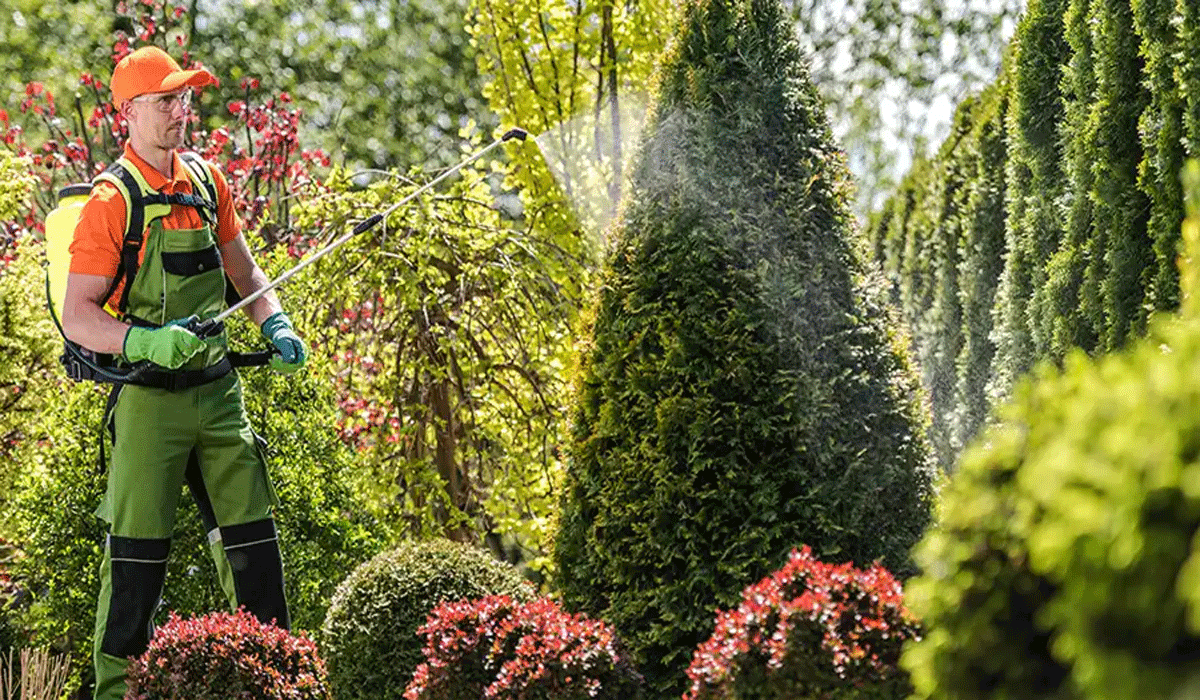
Conduct a full home security audit to identify risks inside and outside, protecting your family, valuables, and property effectively.
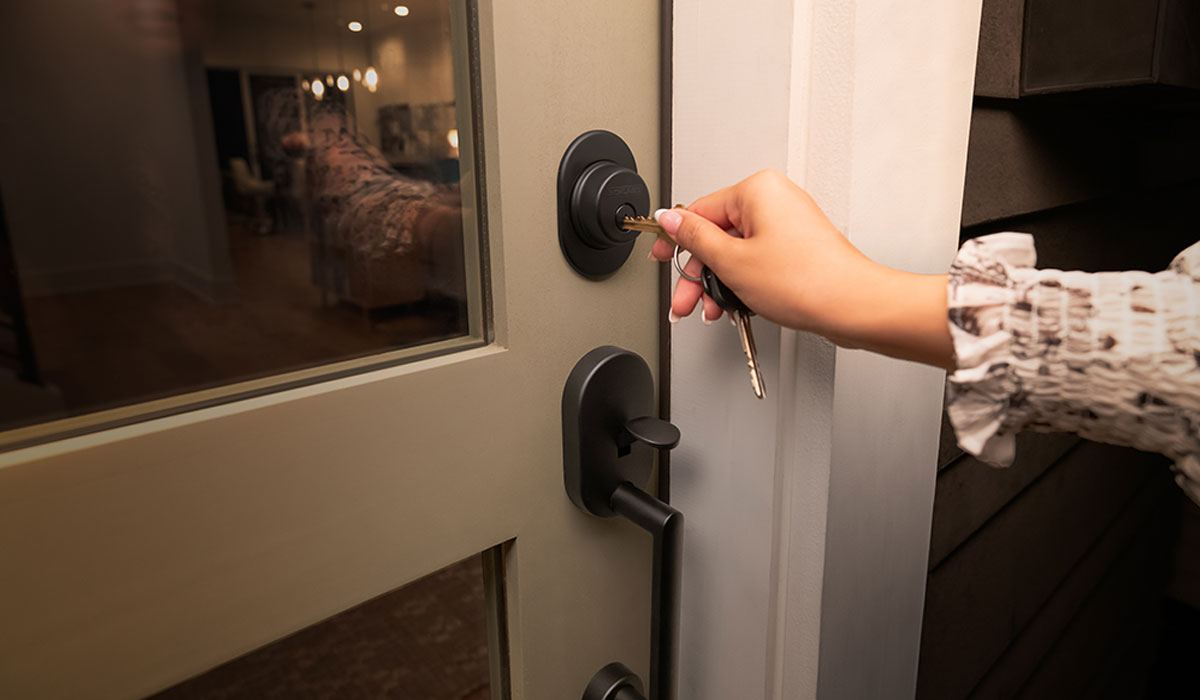
Keeping your home safe goes far beyond simply locking doors and installing a few cameras. A comprehensive home security audit is essential to identify weak spots and potential risks that could compromise your property. By systematically checking both the interior and exterior of your home, you can take proactive steps to protect your family, valuables, and peace of mind.
This guide will walk you through the important areas to check, along with practical tips to strengthen your home security only at Effective Pest Control.
Inspect Entry Points
The first step in any home security audit is to examine all entry points. This includes front and back doors, windows, sliding doors, garage doors, and even basement access points. Make sure each door has a strong deadbolt lock and reinforced frames.
Windows should have secure latches, and consider adding window locks or security bars in vulnerable areas. Don’t overlook secondary doors such as garage or side entrances, as intruders often target these less obvious access points. Regular maintenance, such as fixing squeaky hinges and replacing damaged doors, also helps reduce vulnerabilities.
Evaluate Interior Security
Once the exterior is secure, focus on the interior. Identify areas where burglars could gain easy access or steal valuables. Install motion sensors in hallways, living rooms, and staircases. Keep expensive electronics, jewelry, and important documents out of sight, preferably in a secure safe.
Strategically placed indoor lighting, automated timers, and smart bulbs can create the illusion of occupancy when you’re away. Additionally, consider interior cameras in main living areas, which can provide valuable evidence if a security breach occurs.
Also Read: Integrated Pest Management for Residential and Commercial Areas
Assess Outdoor Risks
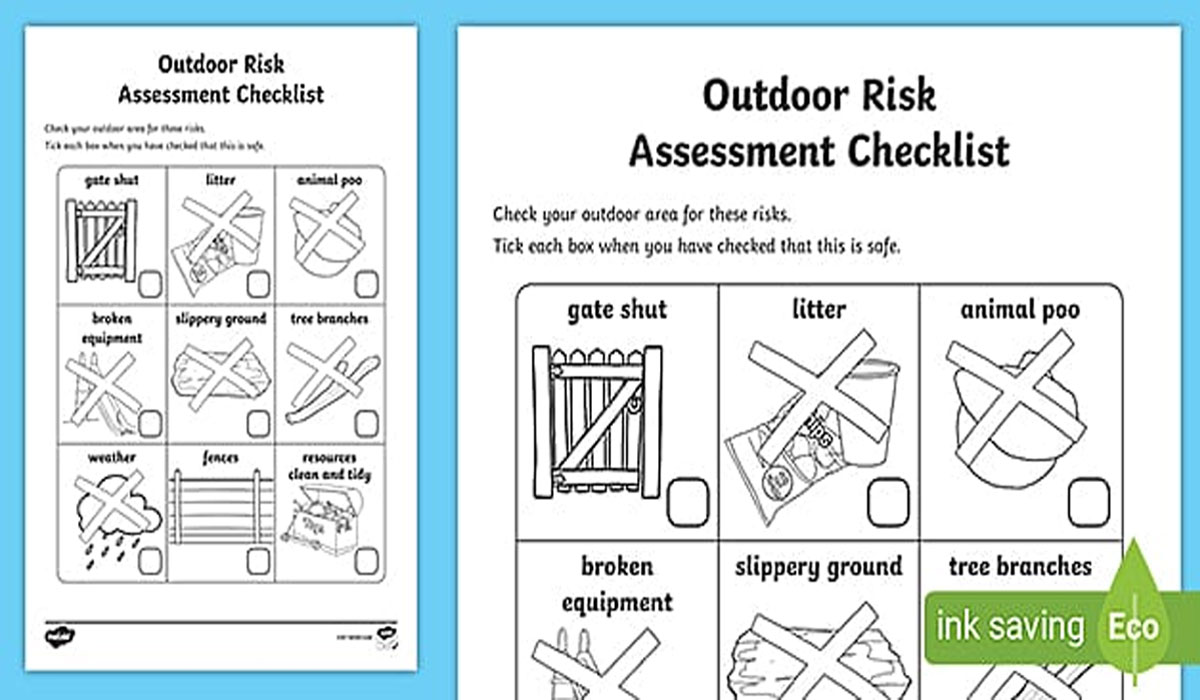
Your yard and outdoor spaces are just as critical as the interior. Dark corners, overgrown shrubs, and hidden pathways can provide cover for intruders. Trim trees and bushes that obscure windows or doors, and install bright security lights, particularly near entry points.
Motion-activated lighting and visible security cameras can act as strong deterrents. Check fences, gates, and locks for damage, and ensure your driveway and walkways are clearly visible from the street. A well-lit, open exterior reduces the chances of a break-in.
Check Security Systems And Technology
Modern technology greatly enhances home security. Test all alarm systems, surveillance cameras, and smart home devices regularly to ensure they function correctly. Replace batteries in wireless devices and keep software or firmware up to date.
Integrating your home security system with mobile apps allows you to monitor your home remotely and receive instant alerts. Consider adding video doorbells or smart locks for additional layers of protection. Remember, even the best technology is ineffective if it is not maintained properly.
Develop A Safety Routine
Security is an ongoing process. Establish daily routines such as locking all doors and windows, activating alarms, and checking cameras before leaving home. Teach all household members emergency procedures, including how to respond during a break-in or fire.
Periodically revisit your security audit to adapt to changes like renovations, new valuables, or neighborhood conditions. Consistency is key regular checks, proactive maintenance, and good habits greatly reduce your home’s vulnerability.
Conclusion
Conducting a thorough home security audit from the inside out is essential for every homeowner. By evaluating entry points, interior safety, outdoor risks, and security technology, you can identify weaknesses and take effective measures to strengthen them.
Coupled with a consistent safety routine, this proactive approach provides peace of mind and significantly reduces the risk of intrusions. Protecting your home is not just about installing locks and alarms it’s about awareness, preparation, and ongoing vigilance.
Image Source:
First Image from: www.schlage.com
Second Image from: www.twinkl.co.uk