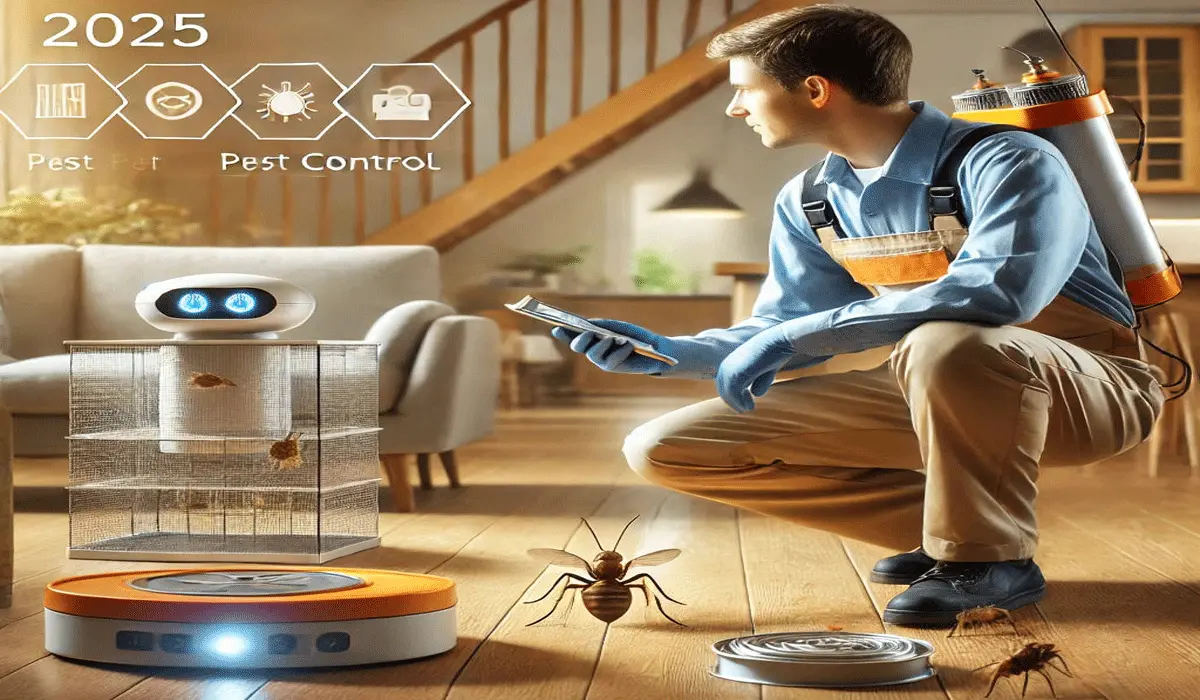
Discover cutting edge methods and strategies for effective pest control that ensure lasting results and a healthier, pest free environment.

Effective pest control is no longer just about spraying chemicals and setting traps. Modern approaches focus on innovation, sustainability, and efficiency to protect homes, businesses, and agricultural environments. By embracing advanced strategies and technologies, pest control can be more targeted, environmentally friendly, and successful. This guide explores innovative methods that are shaping the future of pest management.
Below, TEACHING will provide some explanations regarding Innovative Approaches to Pest Control Success.
Integrated Pest Management (IPM)
Integrated Pest Management, or IPM, is a strategic approach that combines multiple techniques to control pests effectively. Instead of relying solely on chemicals, IPM emphasizes prevention, monitoring, and targeted interventions. This approach minimizes risks to humans, pets, and the environment while maximizing long-term results.
IPM starts with thorough inspection and identification of the pest problem. By understanding pest behavior, life cycles, and habitats, professionals can implement solutions such as habitat modification, biological control, and selective treatments. The focus is on sustainable control rather than temporary eradication, making it a smarter, more efficient approach to pest management.
Biological Pest Control
One of the most innovative strategies in pest management is biological control, which uses natural predators or parasites to manage pest populations. Ladybugs to combat aphids, parasitic wasps to target caterpillars, and nematodes to control soil dwelling insects are examples of how biology can replace harmful chemicals.
Biological control is eco-friendly and highly specific, reducing collateral damage to beneficial species. Unlike conventional pesticides, it works continuously and adapts to the ecosystem, offering a long-term solution. Incorporating natural predators into a comprehensive pest control plan ensures both effectiveness and environmental responsibility.
Read Also: Effective Solutions for Pest Problems
Smart Technologies in Pest Management

Technology is transforming the pest control industry with tools like smart sensors, AI-driven monitoring systems, and automated traps. These innovations allow real time detection and analysis of pest activity, enabling timely interventions before infestations become severe.
Smart technologies also improve resource efficiency by targeting treatments exactly where they are needed. For example, IoT devices can detect rodent activity in warehouses, alerting professionals instantly. These innovations not only save time and costs but also reduce the excessive use of pesticides, promoting a safer and cleaner environment.
Eco-Friendly and Sustainable Solutions
Sustainability is a key trend in modern pest control. Eco-friendly approaches include using biodegradable pesticides, pheromone traps, and non toxic repellents. These methods prioritize safety for humans, animals, and the ecosystem while still maintaining high effectiveness.
In addition, sustainable practices focus on prevention, such as sealing entry points, improving sanitation, and landscaping modifications to deter pests naturally. By combining preventative measures with environmentally conscious solutions, pest control becomes not only effective but also responsible, ensuring long term protection without harmful side effects.
Conclusion
Innovative pest control success relies on integrating modern strategies, technology, and sustainability. From Integrated Pest Management to biological control, smart technologies, and eco-friendly solutions, these approaches provide effective, long lasting, and environmentally responsible results. By adopting innovative methods, both households and businesses can achieve superior pest control outcomes while protecting the planet for future generations.
For the latest and most interesting related information, you can also click the TEACHING link.
Image Source:
First Image from blog.sendwork.com
Second Image from bugsbegone.org