Modern pest control offers effective and environmentally friendly solutions through appropriate technology, safe methods, and sustainable protection.
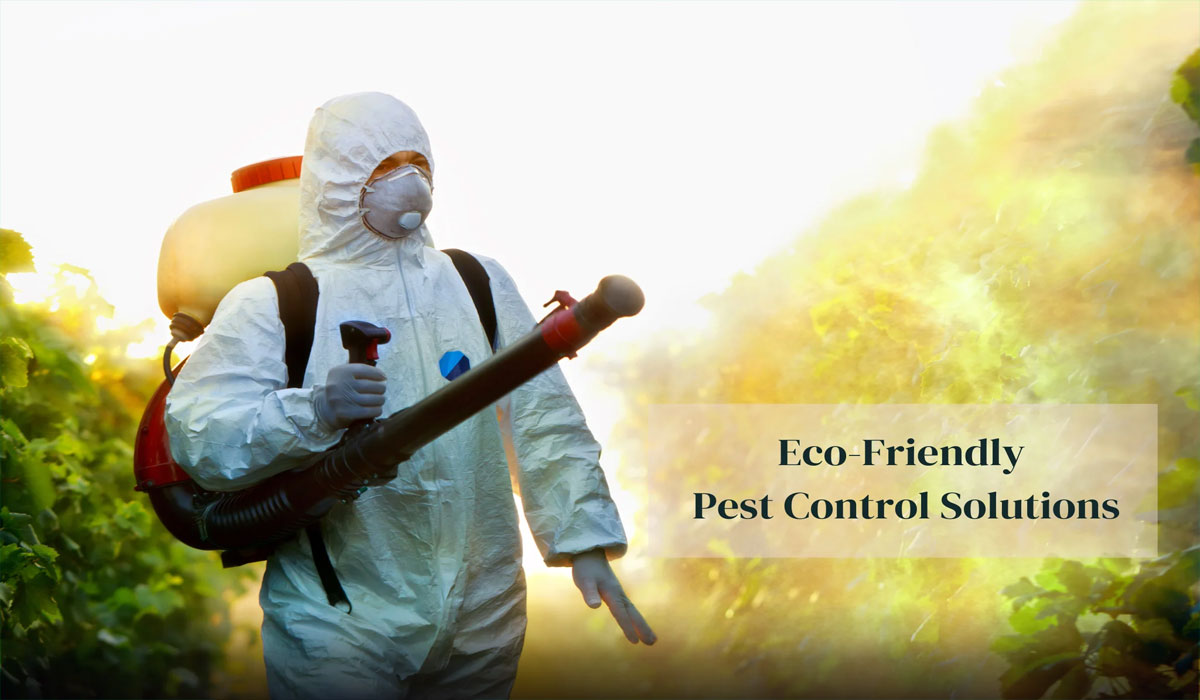
With the advancement of science and technology, pest control methods have undergone significant changes. While pest control previously relied heavily on large amounts of synthetic chemicals, modern approaches now emphasize both effectiveness and environmental sustainability.
Modern pest control offers solutions that not only optimally suppress pest populations but also minimize negative impacts on humans, animals, and the ecosystem.
The Development of Pest Control Concepts
The concept of modern pest control is rooted in an awareness of the long-term impacts of excessive chemical pesticide use. Uncontrolled chemical use can lead to pest resistance, soil and water pollution, and human health problems.
Therefore, modern approaches integrate various methods into a single system known as integrated pest management. This approach selectively and measurably combines biological, mechanical, cultural, and chemical techniques. The goal is to create ecosystem balance so that pest populations can be controlled without harming the surrounding environment.
Environmentally Friendly Technology and Innovation
Technological advances have brought about various innovations in more environmentally friendly pest control. One method is the use of biological agents such as natural predators, parasites, or microorganisms that can naturally suppress pest populations. This method has proven effective in the long term because it does not produce harmful residues.
Furthermore, modern trapping technology with sensors and digital monitoring systems also helps detect pest presence early. With accurate data, control measures can be implemented precisely and effectively, minimizing chemical use. Another increasingly popular innovation is botanical pesticides derived from plant extracts. These products tend to be safer for humans and decompose quickly in the environment.
Also Read: Effective Pest Prevention Management in Indoor and Outdoor Areas
Integrated Prevention and Management Strategy
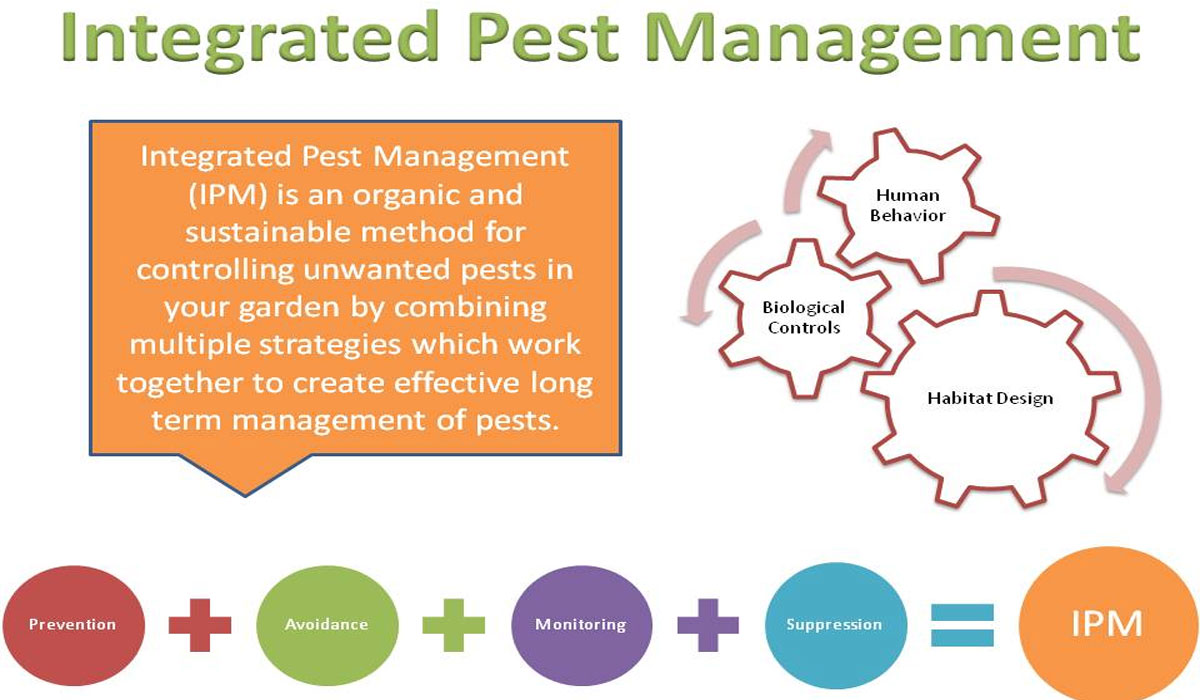
Modern pest control focuses not only on eradication but also on prevention. Prevention strategies include environmental sanitation management, crop rotation in agriculture, the use of pest-resistant varieties, and humidity and ventilation management in buildings. By creating conditions that are less conducive to pest development, the risk of infestation can be suppressed early.
The integrated approach also emphasizes the importance of regular monitoring to determine pest population levels. Control measures are only implemented when populations reach a certain threshold, making intervention more efficient and not excessive. This principle helps maintain a balance between the need for protection and environmental sustainability.
Ecological and Economic Benefits
The application of modern pest control offers extensive benefits, both ecologically and economically. Environmentally, these methods help maintain biodiversity and prevent soil and water pollution. A balanced ecosystem will support agricultural sustainability and the community’s quality of life. Economically, the use of targeted methods can reduce production costs in the long term.
Farmers or business owners do not need to continually purchase large quantities of pesticides, because control is carried out based on actual needs. Furthermore, agricultural products produced using environmentally friendly methods have a higher selling value because they meet food safety standards and are increasingly sought after by consumers.
Challenges and Public Education
Despite its many advantages, modern pest control also faces challenges. One of these is the lack of public understanding of the importance of an integrated and environmentally friendly approach. Some people still believe that the rapid use of chemical pesticides is the most effective solution.
However, without proper management, this method can actually exacerbate the problem in the long term. Therefore, education and training are key to the successful implementation of modern pest control. The government, academics, and practitioners need to work together to disseminate information and provide assistance to the community and business actors.
Modern pest control is an effective and environmentally friendly solution that addresses the challenges of our time. By integrating technology, biological agents, prevention strategies, and an integrated approach, this method can optimally control pests without damaging the ecosystem.