

Modern, environmentally friendly pest control with natural enemies, biopesticides, and monitoring technology to maintain ecosystem balance.
However, unwise control practices can negatively impact soil, water, non-target organisms, and the overall balance of the ecosystem. Therefore, a modern approach is needed to ensure effective pest control without compromising environmental sustainability. Check out the complete facts about Modern Ways to Control Pests Without Damaging the Ecosystem, only at Effective Pest Control.
Introduction to Integrated Pest Management (IPM)
Integrated Pest Management (IPM) is a comprehensive approach that combines various methods to suppress pest populations to safe levels. The main principle of IPM is prioritizing environmentally friendly methods over the use of synthetic chemicals.
This system emphasizes a thorough understanding of pest life cycles, natural enemies, and ecosystem conditions. By utilizing interactions between organisms, IPM can maintain environmental balance and reduce long-term production costs. This approach has been implemented in many countries and is the foundation for more sustainable agriculture.
Utilization of Biological Technology and Natural Enemies
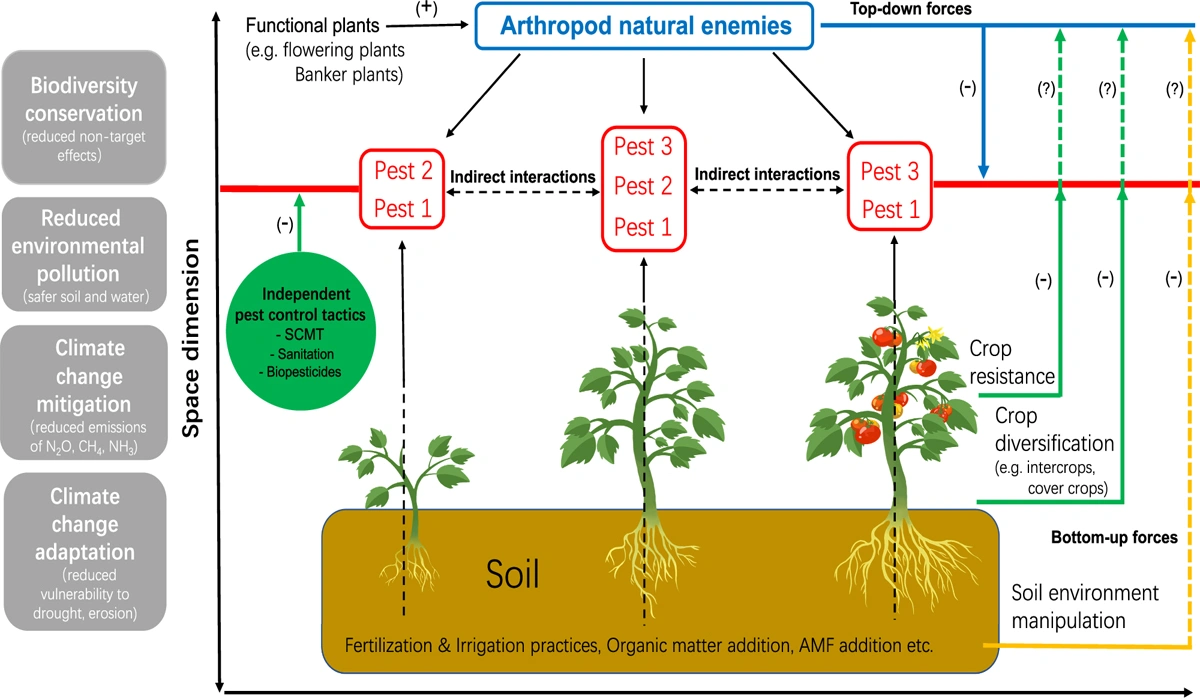
Biocontrol is one of the most effective and environmentally friendly methods for reducing pest populations. This technique utilizes natural enemies such as predators, parasitoids, and pathogens to naturally suppress pest growth. For example, parasitoid bees can control caterpillars, while entomopathogenic fungi can attack certain insects without harming other organisms.
In addition to natural enemies, modern technology also allows the development of more efficient biological agents, such as bacteria that control larvae and entomopathogenic nematodes. The use of biological agents leaves no harmful residues, making it safer for soil, water, and human health. Biocontrol can also be combined with organic farming techniques to strengthen agricultural sustainability.
Read Also: Indoor & Outdoor Pest Prevention for a Cleaner, Safer Living Space
Using Cultural Techniques and Smart Farming Practices
Cultural techniques are simple yet highly effective methods for controlling pests. Crop rotation, planting pest-resistant varieties, and managing planting times can reduce opportunities for pests to thrive. For example, rotating legumes with cereals can break the life cycle of certain pests.
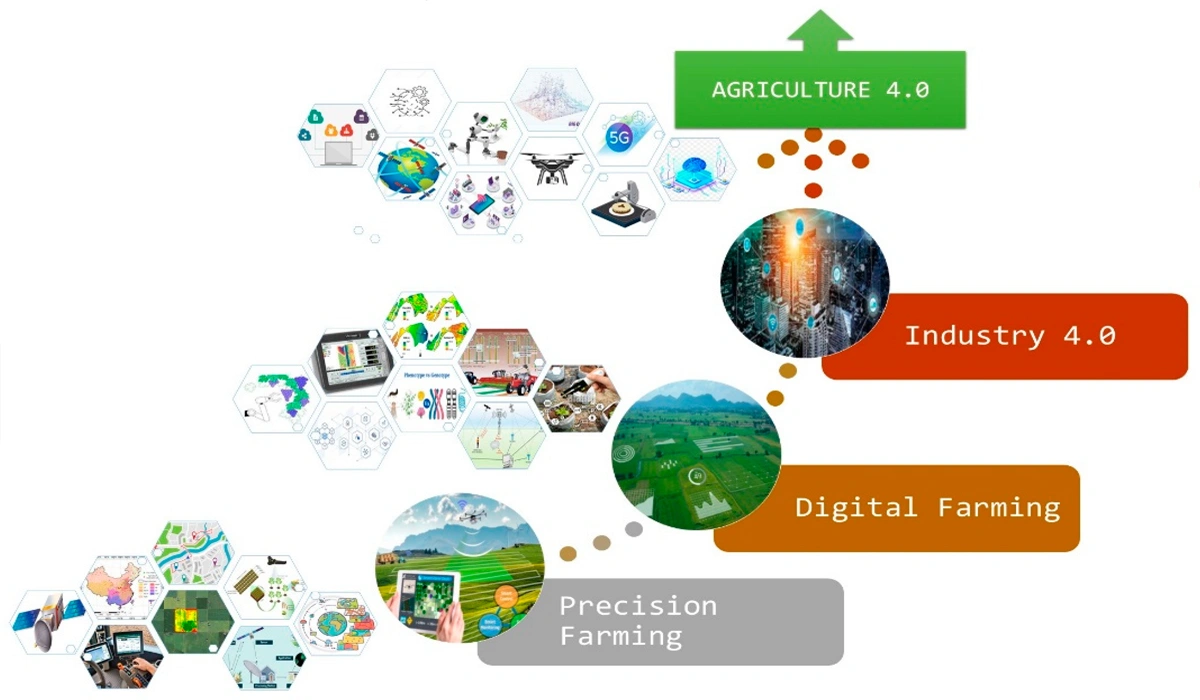
Smart farming practices such as mulching, organic fertilization, and cropping patterns also help maintain soil health and increase crop resistance to pest attacks. With digital technology, farmers can now utilize soil sensors, satellite imagery, and pest monitoring applications to predict pest infestations early. Rapid detection allows preventative measures to be taken without excessive chemical spraying.
Modern Technological Innovations in Pest Control
Modern technological developments have brought with them various innovations that increasingly facilitate sustainable pest control. One of the most prominent innovations is the use of drones to monitor land conditions more efficiently. Drones are able to detect pest-affected areas through multispectral cameras, allowing for targeted interventions. Another technology gaining popularity is pheromone traps.
Synthetic pheromones are used to lure specific pests into the trap, reducing their populations without harming other organisms. These traps are particularly effective against specific pests, such as certain moths or beetles. Furthermore, the Sterile Insect Technique (SIT) is a modern solution capable of significantly controlling pest populations without the use of chemicals.
Environmentally Friendly Pest Control Based on Education
Technological innovations will be difficult to implement without the support of education and collaboration between various parties. Training for farmers and agricultural extension workers is crucial to increase understanding of environmentally friendly methods. Collaboration between the government, research institutions, and the community is also necessary to develop effective and sustainable pest control programs.
Public awareness of the importance of preserving ecosystems has also led to the development of various policies supporting sustainable agricultural practices. With adequate regulations and technical support, environmentally friendly pest control practices could become a new standard in the modern agricultural sector. Thank you for taking the time to find out interesting information about Modern Ways to Control Pests in Effective Pest Control, we will provide lots of other information.
Image Information Source:
First Image from: nature.com
Second Image from: mdpi.com


