
Implementing proper pest control techniques helps farmers protect their investment while promoting sustainable farming practices.
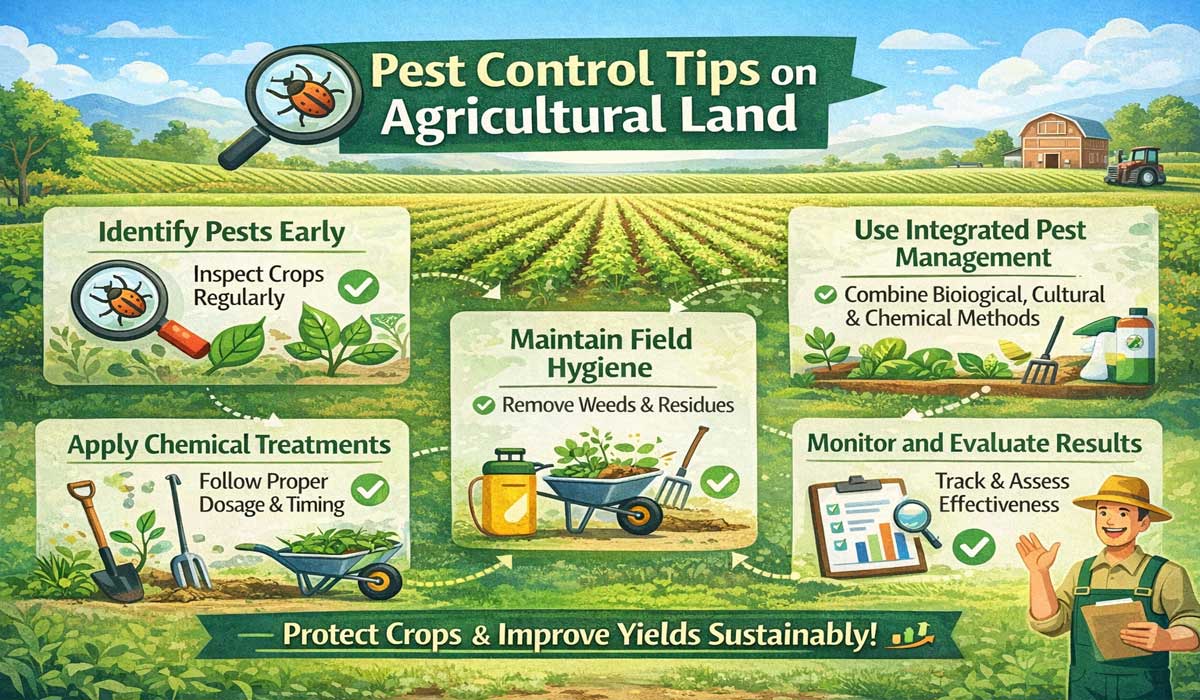
By understanding the behavior of pests and applying timely strategies, farmers can minimize losses, maintain soil health, and achieve better productivity throughout the growing season. In the following, Effective Pest Control will discuss Proven Pest Control Solutions.
Identify Pests Early
Early identification of pests is the first step in effective control. Farmers should regularly inspect crops for signs of infestation, such as damaged leaves, unusual discoloration, or the presence of insects. Monitoring allows for timely interventions, preventing widespread damage.
Additionally, understanding the life cycle of common pests can guide the best times for treatment. Using pest identification guides or consulting with agricultural experts ensures accurate detection. Early recognition reduces the need for excessive chemical use and supports healthier crop growth.
Use Integrated Pest Management (IPM)
Integrated Pest Management (IPM) combines biological, cultural, mechanical, and chemical methods for sustainable pest control. IPM encourages the use of natural predators, crop rotation, and resistant crop varieties to minimize pest damage.
Mechanical techniques, like traps or barriers, further reduce pest populations without harming the environment. Chemicals are applied only when necessary, reducing pesticide overuse. Following IPM principles helps maintain ecological balance, protects beneficial insects, and improves long-term farm productivity.
Maintain Field Hygiene
Keeping agricultural land clean and well-managed is key to pest prevention. Removing weeds, crop residues, and decaying organic matter eliminates potential breeding grounds for pests.
Field hygiene also includes proper disposal of infected plant material and maintaining drainage systems to prevent waterlogging. Clean fields reduce the risk of infestations, making pest control easier. Regular maintenance supports healthy crops and minimizes dependency on chemical treatments.
Read Also: Mastering Pest Control, Expert Tips For Long-Lasting Protection
Apply Chemical Treatments Wisely

While chemical pesticides can be effective, they must be used responsibly. Farmers should select pesticides based on the type of pest and crop and follow recommended dosages to avoid resistance and environmental harm.
Spraying should be done at the right time of day and in appropriate weather conditions to maximize efficiency. Protective equipment should always be worn. Combining chemicals with other control methods ensures effective pest management while minimizing negative impacts on beneficial insects and soil health.
Monitor and Evaluate Results
After applying pest control methods, continuous monitoring is essential. Farmers should assess the effectiveness of treatments by checking pest populations and crop health regularly.
Recording observations helps in adjusting strategies for future seasons. This evaluation allows for timely interventions if pests reappear and supports data-driven decisions. By monitoring results, farmers can maintain sustainable pest control practices, reduce crop loss, and improve overall agricultural productivity.
