Bonsai trees are delicate living art forms that require consistent care, attention, and protection from pests. among the most destructive threats are termites, and soil structure.
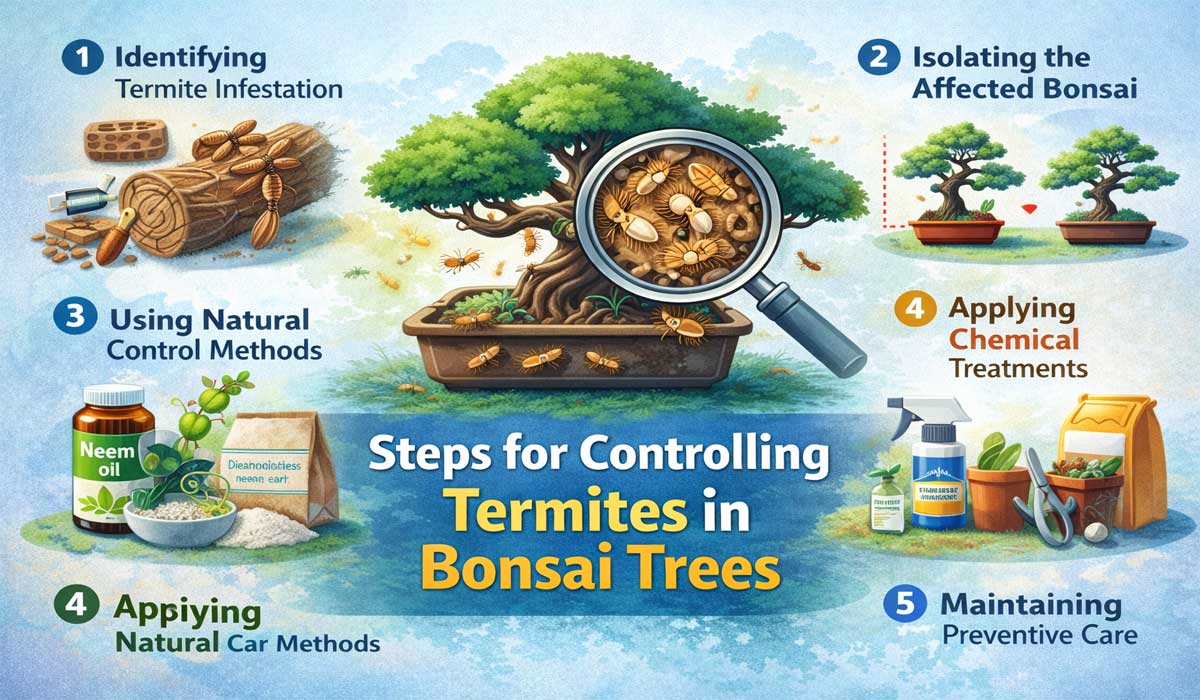
Effective termite management involves early detection, preventive measures, and targeted treatments as part of an Effective Pest Control strategy. By understanding their behavior and combining chemical and natural methods, bonsai enthusiasts can protect their miniature trees while maintaining a healthy, thriving garden. Here are five essential steps to control termites in bonsai trees.
Identifying Termite Infestation
Early detection is crucial for preventing extensive damage. Look for signs such as hollowed wood, discolored leaves, or unusual tunnels in the soil. You may also notice termite wings or small mud tubes along the trunk and branches. Observing these indicators allows you to act before the infestation spreads, which is particularly important for bonsai trees with limited root and stem reserves.
Inspecting the soil around your bonsai is equally important. Carefully remove the top layer and check for termite activity. Healthy soil usually contains beneficial insects, but excessive tunneling or clumping may indicate termite presence. Regular inspections every few weeks ensure you catch early infestations and reduce the need for aggressive chemical treatments later.
Isolating the Affected Bonsai
Once termites are detected, isolate the affected bonsai from other plants. This prevents the infestation from spreading to healthy trees in your collection. Place the bonsai in a clean, dry area and avoid sharing soil, pots, or tools with other trees during treatment. Physical separation is one of the simplest yet most effective ways to contain pests.
Proper isolation also helps you monitor the tree closely while applying treatment. Observing changes in leaf color, soil activity, and stem integrity can indicate whether your control measures are working. Maintaining a controlled environment allows for safer application of insecticides and reduces stress on the bonsai during the treatment period.
Using Natural Control Methods
Natural remedies can effectively reduce termite populations without harming the bonsai. Beneficial nematodes, for example, are microscopic worms that attack termites in the soil. Diatomaceous earth, sprinkled around the base, dehydrates and kills termites on contact. Essential oils like orange or neem oil can also repel or eliminate pests when diluted properly and applied cautiously.
Natural methods are ideal for bonsai because they minimize chemical exposure, which can be harmful to delicate roots and leaves. Repeated applications may be necessary to maintain effectiveness. Combining multiple approaches, such as nematodes with neem oil, enhances termite control while keeping your bonsai environment safe and organic.
Read Also: Technology-Based Professional Pest Control for Maximum Results
Applying Chemical Treatments

For severe infestations, chemical insecticides may be required. Use products specifically formulated for termites, ensuring they are safe for potted plants. Apply the treatment to both soil and affected areas of the tree, following the manufacturer’s instructions carefully. Overuse or incorrect application can damage the bonsai’s roots and foliage.
Systemic insecticides are particularly effective because they travel through the tree’s vascular system, targeting termites feeding on roots and stems. While chemicals provide faster results than natural methods, always wear protective gear and keep treated bonsai away from children, pets, and other plants during application.
Maintaining Preventive Care
Preventing future termite infestations is as important as treating current ones. Maintain bonsai health with proper watering, pruning, and soil care. Avoid excess moisture, which attracts termites, and ensure good drainage. Periodically check for signs of pests, especially after repotting or using new soil.
Consider preventive treatments, such as applying a light layer of diatomaceous earth or neem oil around the base every few months. Clean pots and tools regularly, and rotate bonsai locations to minimize exposure to termite-prone areas. Consistent preventive care ensures long-term health and resilience against termites.
Image Source:
First Image from: bugsbegone.org
Second Image from: watertech.co.ke