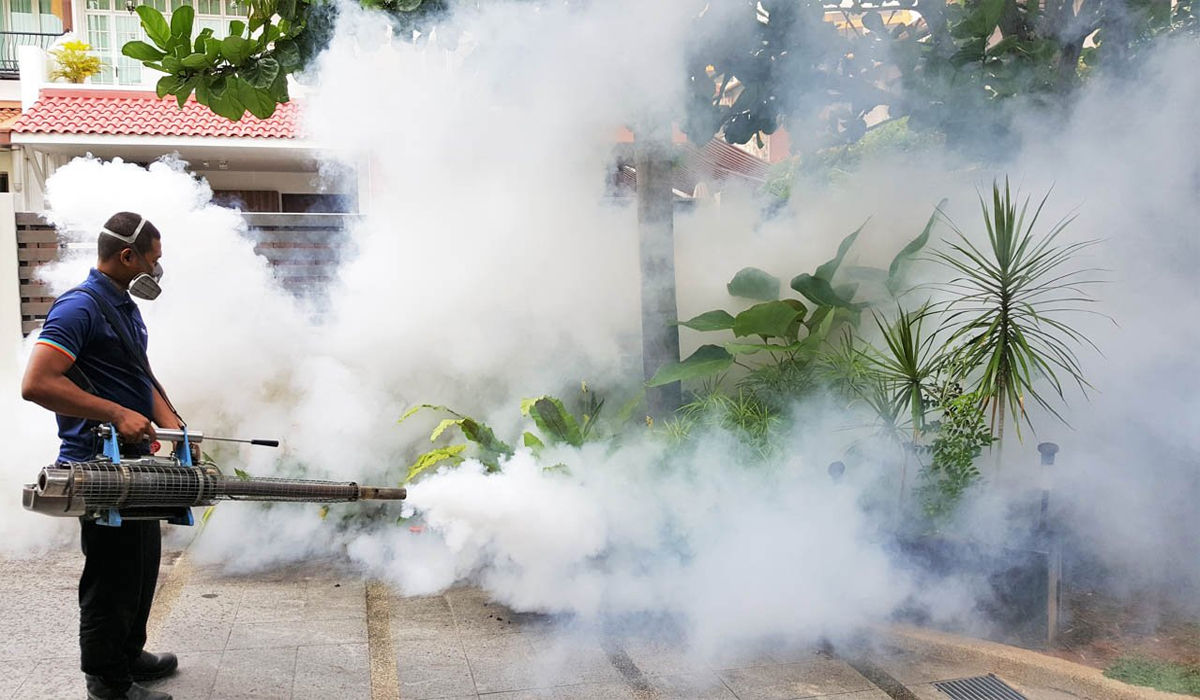
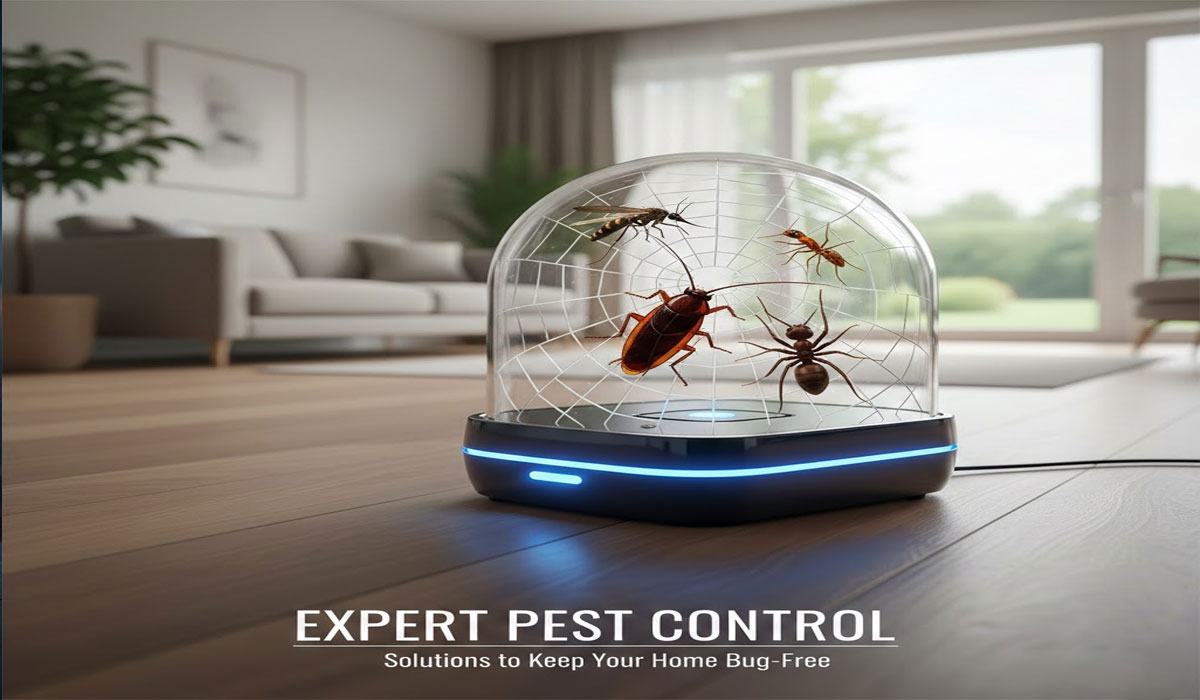
The latest technology allows for early pest identification, more effective control strategies, and more environmentally friendly farming.
Pests are one of the biggest challenges in agriculture and plantations. Their presence not only reduces the quality and quantity of crops but also causes significant economic losses. With technological advances, modern innovations now allow for faster pest detection and more effective control. The following Effective Pest Control, discusses various technological approaches that help farmers and researchers address pest problems efficiently and environmentally friendly.
Sensor Technology and Early Pest Detection
Early detection of pests is key to reducing crop damage. One leading innovation is the use of smart sensors capable of monitoring the agricultural environment in real time. These sensors can detect changes in temperature, humidity, and chemical content, which are often early indicators of pest emergence.
In addition to sensors, camera and digital image technology are also used to visually identify pests. Using artificial intelligence (AI) algorithms, images taken of crops are analyzed to detect pest infestations early, before their populations grow rapidly. This approach enables rapid action and reduces excessive pesticide use.
The integration of sensors and digital image analysis makes pest detection systems more accurate. Farmers can receive alerts via mobile apps, simplifying monitoring even over large areas. This technology also supports scientific research to understand pest behavior in greater detail.
Drones and Aerial Monitoring
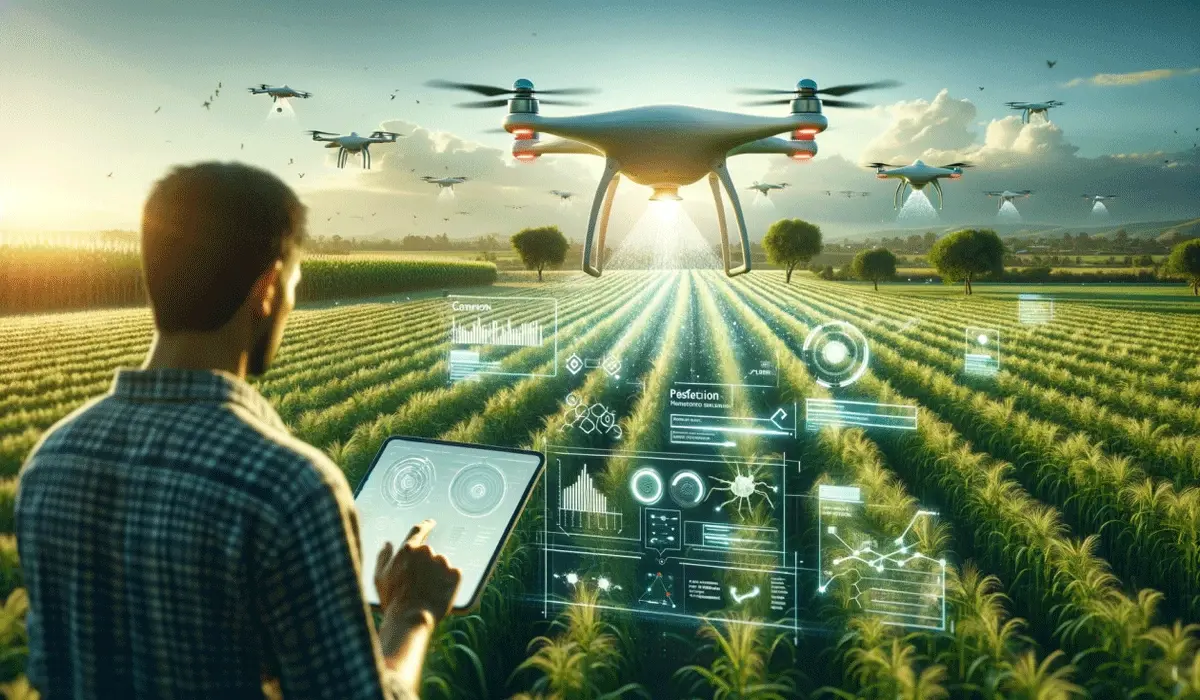
The use of drones in agriculture has revolutionized crop monitoring and pest control. Drones are equipped with high-resolution cameras and multispectral sensors to detect areas infested with pests. With the ability to fly over large areas, drones speed up the pest identification process compared to manual inspections.
In addition to detecting pests, drones can also be used for precision pesticide spraying. This technique reduces the amount of chemicals used, minimizes environmental impact, and protects the health of both crops and farmers. This system is known as “precision agriculture.”
Drones also enable accurate maps of pest infestations, helping farmers make strategic decisions. The collected data can be analyzed using specialized software, providing information on the type of pest, the area of infestation, and the most appropriate control measures.
Also Read: 5 Effective Ways to Control Pests Without Dangerous Chemicals
Biotechnology-Based Pest Control
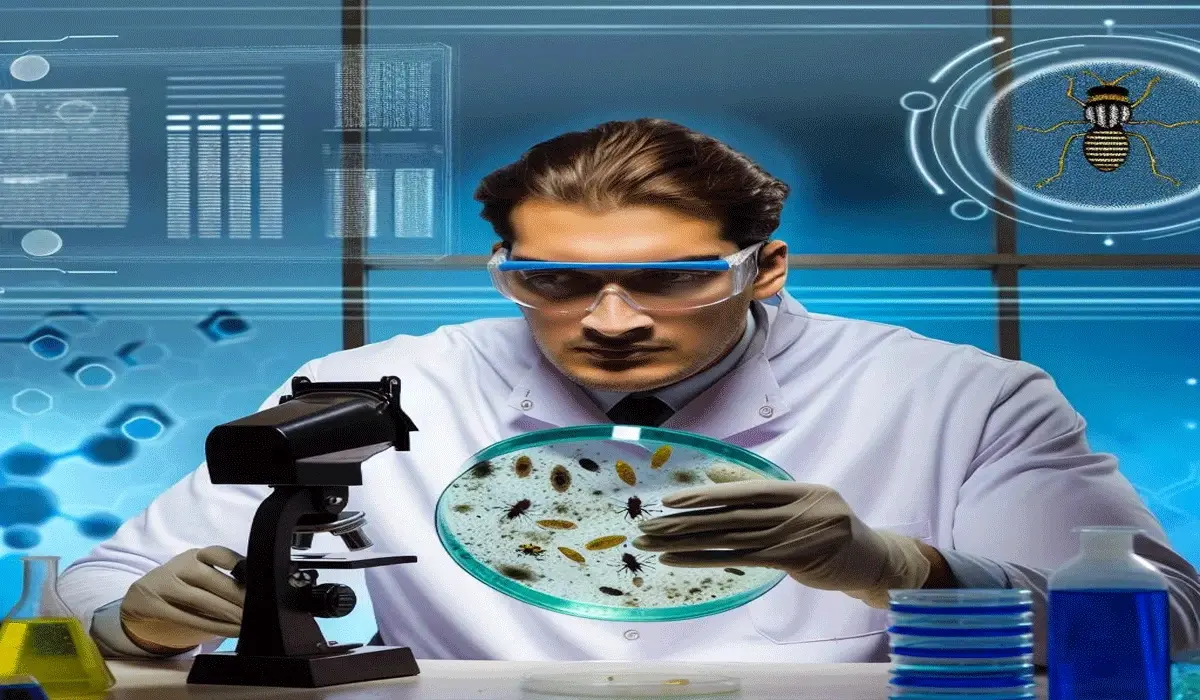
In addition to sensor technology and drones, biotechnology is a key innovation in pest control. This method utilizes natural organisms or microbes that are antagonistic to pests. For example, insect predators or microorganisms that infect pest larvae, thereby reducing pest populations without harming the environment.
Genetics is also used to develop crops that are resistant to pest attacks. Transgenic or genetically engineered plants can produce natural pest-repellent compounds or increase resistance to infection. This approach helps farmers reduce reliance on chemical pesticides.
In addition, synthetic pheromones are used to trap pests. Male pests are attracted to these traps, thus reducing natural reproduction. The combination of biotechnology and digital technology strengthens more effective integrated pest management (IPM) strategies.
Pest Information and Data Analysis Systems
Technological innovation is not limited to physical detection but also utilizes big data for pest control. Agricultural information systems collect data from sensors, drones, and manual records to analyze pest attack trends. Predictive algorithms can predict pest outbreaks before they occur.
This data analysis enables farmers to make evidence-based decisions, for example, determining pesticide spraying times, selecting biological control methods, and predicting high-risk areas. These systems improve resource efficiency and reduce crop losses.
Furthermore, AI-based digital platforms can facilitate collaboration between researchers, agronomists, and farmers. Information about specific pests can be shared in real-time, enabling a faster and more coordinated response to pest attacks.
Sensor Technology and Early Pest Detection
Early detection of pests is key to maintaining agricultural quality and productivity. Today, sensor technology has provided more sophisticated solutions for monitoring crop conditions in real time. These sensors can detect changes in temperature, humidity, and chemical content in the soil or leaves, which are often early indicators of pest infestation. Thank you for taking the time to explore this interesting information about efficiently managing pest problems in Effective Pest Control, We will provide much more information.
Image Information Source:
First Image: linkedin.com
Second Image: thefarminginsider.com