
Keeping a home clean and comfortable is a priority for many families, yet pests often become an unexpected problem.
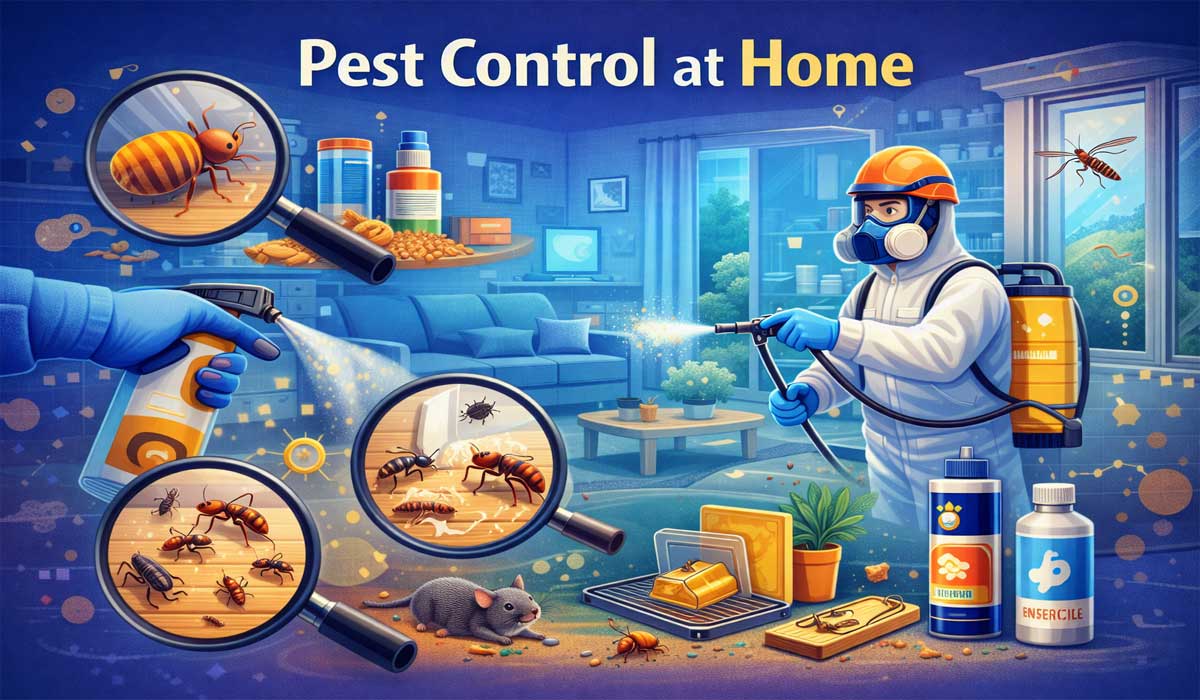
From ants and cockroaches to rodents and mosquitoes, these unwanted visitors can damage property and spread diseases.
Effective pest control at home is essential to maintain a healthy living environment. By understanding the causes of infestations and applying proper prevention methods, homeowners can protect their spaces and reduce the risk of pests returning.
Understanding Common Household Pests
Many types of pests commonly invade homes, including ants, cockroaches, termites, rodents, and mosquitoes. These pests usually search for food, water, and shelter, which makes residential areas an attractive habitat. Kitchens, bathrooms, and storage spaces often become their favorite places to hide.
Each pest type brings different risks to a household. Termites may damage wooden structures, rodents can chew electrical wires, and cockroaches may contaminate food. Understanding the habits and behavior of these pests helps homeowners identify early warning signs and take appropriate action before the problem becomes severe.
Maintaining Cleanliness to Prevent Infestations
One of the most effective ways to control pests is by maintaining a clean and organized home environment. Food crumbs, unsealed containers, and overflowing trash bins can easily attract insects and rodents. Regular cleaning reduces the availability of food sources that pests depend on.
In addition, homeowners should pay attention to hidden areas such as under appliances, behind cabinets, and inside storage rooms. These spaces often collect dust and leftover food particles. By cleaning these areas regularly, the chances of pests settling inside the house can be significantly reduced.
Read Also: Latest Techniques in Plant Pest and Disease Control
Sealing Entry Points Around the House
Pests often enter homes through small cracks, gaps, and openings around doors, windows, and walls. Even tiny holes can allow insects and rodents to find their way inside. Inspecting the house for these entry points is an important step in preventing infestations.
Homeowners can seal gaps using materials such as caulk, weather stripping, or mesh screens. Repairing damaged door frames, window screens, and vents also helps block access for pests. Taking these preventive steps creates a physical barrier that makes it much harder for pests to invade the home.
Using Natural and Chemical Pest Control Methods
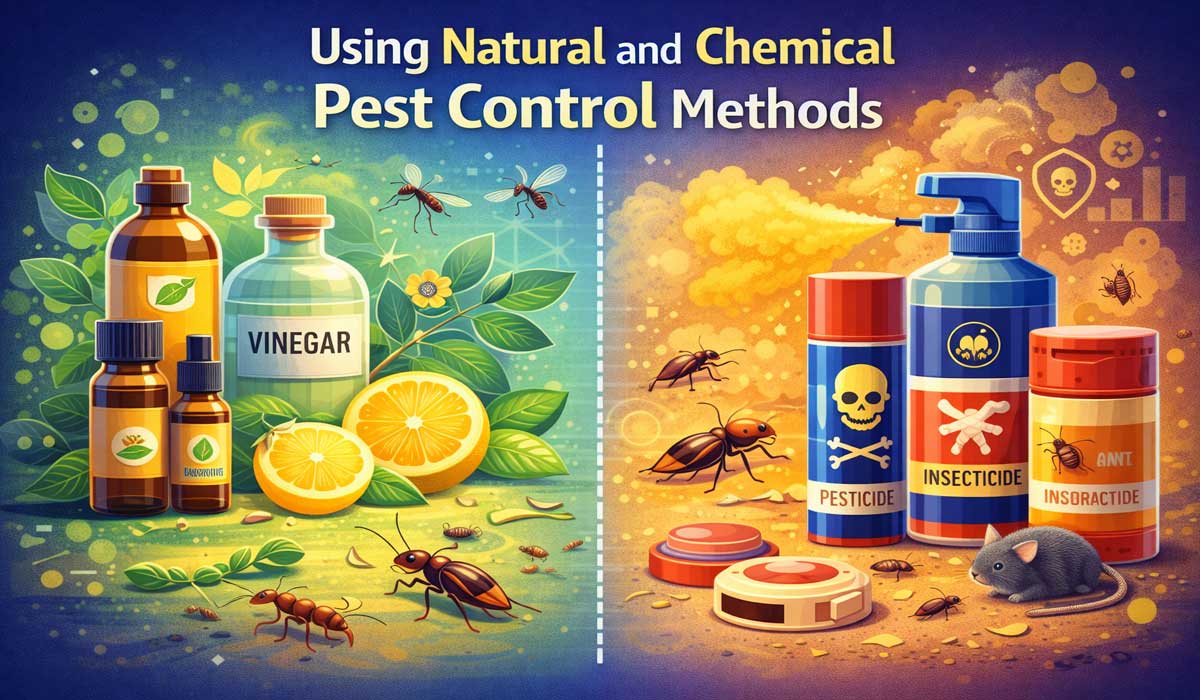
When pests begin to appear, homeowners can choose between natural or chemical control methods. Natural methods include using essential oils, vinegar solutions, or plant-based repellents. These options are often safer for families and pets while still helping deter insects.
Chemical pest control products, such as sprays and bait traps, can be effective when infestations become more serious. However, they must be used carefully according to instructions. Proper usage ensures that pests are eliminated while minimizing potential health risks for people living in the home.
Long-Term Pest Management Strategies
Effective pest control is not only about eliminating existing pests but also preventing future infestations. Regular home inspections help identify early signs of pest activity. Monitoring areas such as basements, attics, and garages allows homeowners to respond quickly if pests appear.
Another long-term strategy involves improving home maintenance practices. Fixing leaking pipes, controlling moisture levels, and storing food properly can reduce the conditions that attract pests. With consistent prevention efforts, homeowners can maintain a safer and more comfortable living environment free from unwanted pests.
mage information:
First Image from: https://bugsbegone.org/
Second Image from: https://bugsbegone.org/

