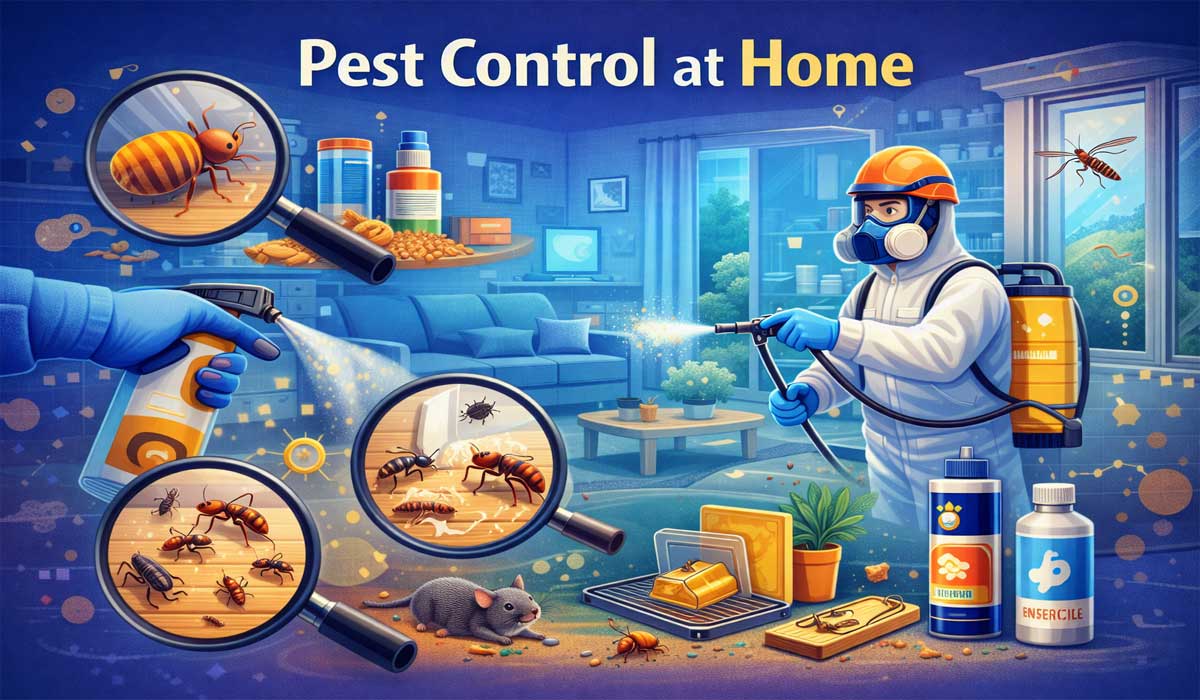
Modern strategies for dealing with plant pests and diseases combine scientific and organic methods for healthy and abundant harvests.

Modern agriculture faces serious challenges from plant pests and diseases that can significantly reduce crop yields. With increasing food demand and environmental pressures, farmers must now adopt more effective, safe, and environmentally friendly pest control techniques. The following Effective Pest Control, discusses the latest techniques that can be applied to maintain plant health and increase agricultural productivity.
Integrated Pest Management
Integrated Pest Management (IPM) is a strategic approach that combines various methods to effectively reduce pest populations. This technique relies not only on pesticides but also uses biological, mechanical, and cultural methods. IPM aims to minimize negative impacts on the environment and humans.
Biological methods in IPM involve the use of natural predators of pests, such as ladybugs to control aphids or earthworms to maintain soil health. In addition, parasites and certain microorganisms are used to attack specific pests without harming other plants.
IPM also emphasizes good agricultural practices, such as crop rotation, planting pest-resistant varieties, and land sanitation. With this combination of strategies, farmers can suppress pest infestations to acceptable levels, sustainably increasing crop yields.
Using Modern Biopesticides
Biopesticides are the latest innovation in pest control that utilizes natural substances or microorganisms to combat pests and plant diseases. Types of biopesticides include microbes (bacteria, fungi, viruses) and plant extracts that have natural insecticidal or fungicidal effects.
The advantages of biopesticides include safety for humans, animals, and the environment, as well as a low risk of pest resistance. For example, Bacillus thuringiensis (Bt) is effective against caterpillar larvae without harming beneficial insects. Similarly, entomopathogenic fungi can selectively attack specific insect pests.
The use of biopesticides can also be combined with conventional methods in a controlled manner, creating an efficient hybrid strategy. This way, farmers can significantly suppress pest populations without compromising environmental sustainability or soil quality.
Also Read: Keep Your Space Safe: The Benefits Of Professional Pesta Control
Sensor Technology and Digital Monitoring
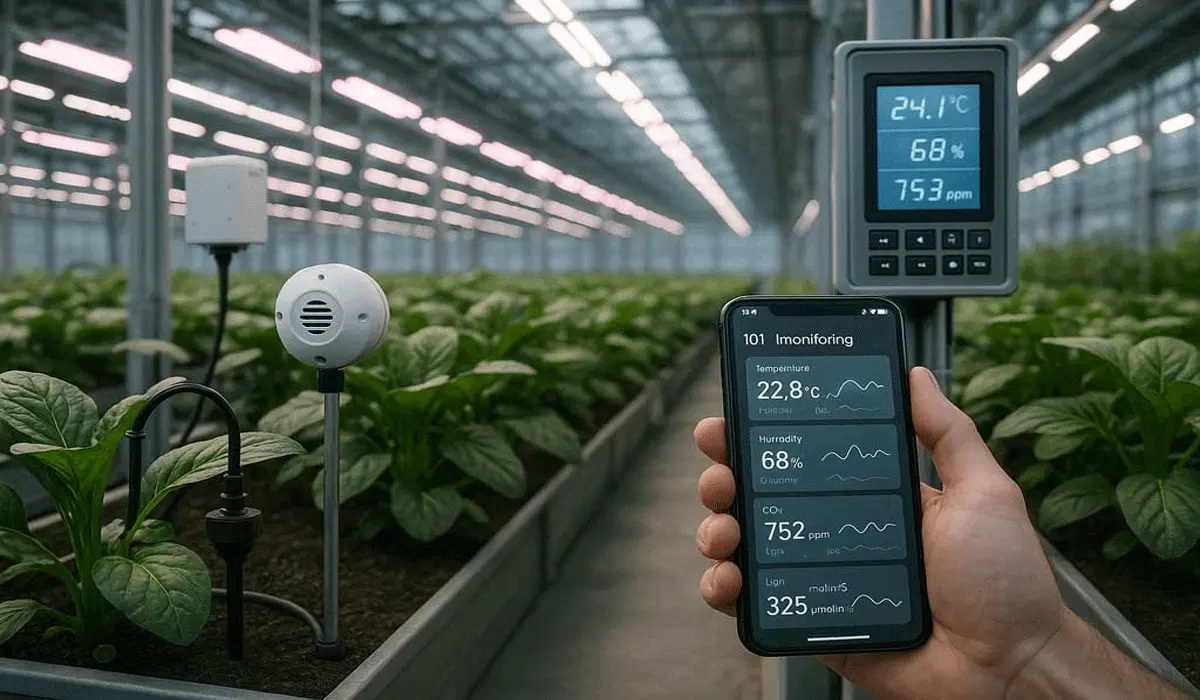
Advances in digital technology are revolutionizing crop pest control. Soil sensors and IoT-based monitoring devices can detect changes in humidity, temperature, and symptoms of pest infestation early on. This data allows farmers to take swift action before pests spread.
In addition to sensors, agricultural drones are also used to monitor crop conditions and detect areas infested with pests or diseases. Drones can collect multispectral imagery that helps identify leaf diseases or insect infestations precisely.
This technology enables more targeted pest control, reduces excessive pesticide use, and lowers operational costs. Furthermore, digital monitoring supports data-driven decision-making, making farm management more efficient and modern.
Organic and Eco-Friendly Methods
Beyond high-tech, organic methods remain an important trend in pest control. The use of organic fertilizers, mulches, and naturally occurring pest-repellent plants helps maintain the balance of the agricultural ecosystem. For example, certain flowering plants can attract natural predators of pests, reducing attacks on the main crop.
Eco-friendly methods also include pheromone- or light-based pest traps, which are effective without the use of harmful chemicals. This strategy is well-suited for organic farming and home gardens, maintaining product quality and soil sustainability.
Furthermore, proper land sanitation practices and proper crop residue management prevent the development of pests and diseases. By combining organic techniques with modern innovations, farmers can produce healthy harvests with minimal environmental impact.
Eco-Friendly for Pest Control
Biopesticides are becoming an increasingly popular modern solution in agriculture because they are environmentally friendly and safe for both humans and animals. Unlike chemical pesticides, biopesticides utilize microorganisms such as bacteria, fungi, or viruses to specifically attack specific pests. For example, Bacillus thuringiensis (Bt) is effective against caterpillar larvae on vegetable and fruit plants without harming beneficial insects. Thank you for taking the time to explore this interesting information about Plant Pest and Disease Control in Effective Pest Control, We will provide much more information.
Image Information Source:
First Image: youngfarmercontest.co.nz
Second Image: polygreenhouse.net