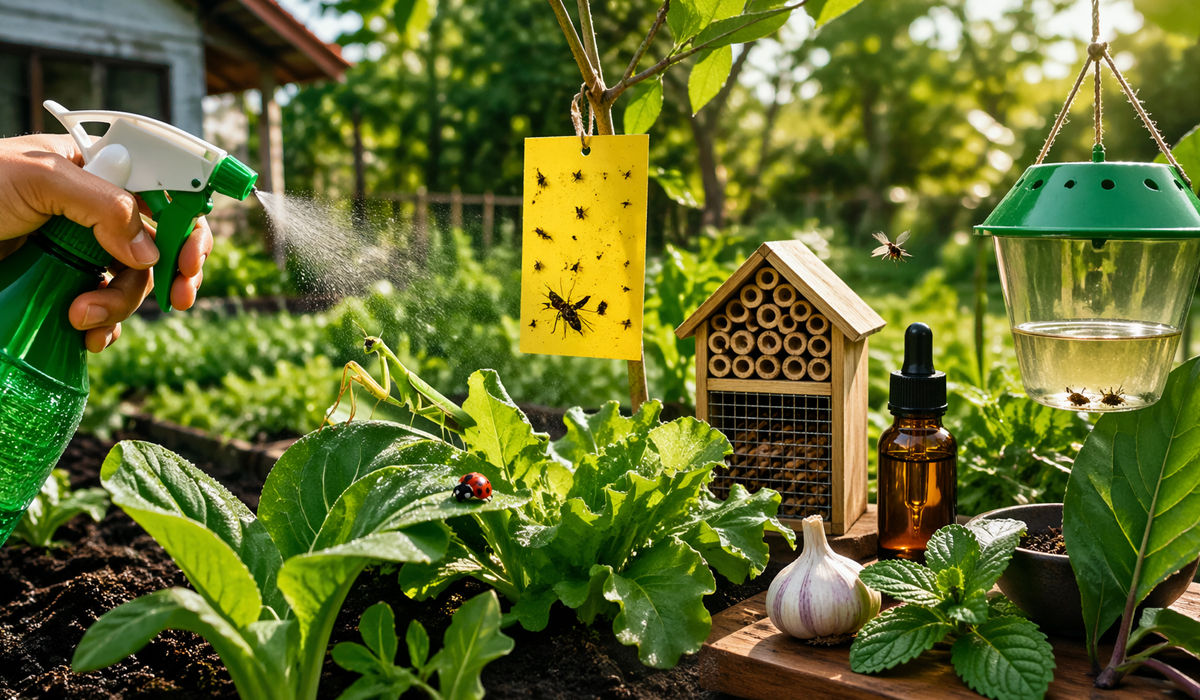
Pest control is a major challenge in agriculture and gardening that requires sustainable methods to protect crops effectively and safely.

Many farmers and plant enthusiasts face losses due to pest attacks that damage leaves, stems, and harvest yields. For many years, synthetic chemical pesticides have been the primary solution, but their impact on the environment cannot be ignored. Soil degradation, water pollution, and ecosystem disruption have become increasingly serious issues.
Therefore, Effective Pest Control a wiser and more sustainable approach is needed to ensure healthy crop production without harming nature’s balance.
Understanding the Role of Pests in the Ecosystem
Pests are often seen as enemies in agriculture, but they also play a role in the ecosystem. Some pest species are part of the food chain and help maintain ecological balance. When one species disappears drastically, it can cause imbalance that affects other organisms.
However, when pest populations grow excessively, crop damage becomes unavoidable. This usually happens due to the disruption of natural predators or environmental changes. Therefore, pest control must be carried out in a way that preserves ecosystem balance without destroying existing life cycles.
Using Natural Predators for Pest Control
One of the most effective eco friendly pest control methods is utilizing natural predators. Animals such as insect eating birds, spiders, and certain insects help reduce pest populations naturally. This approach is known as biological control and is very safe for the environment.
In addition, this method does not leave harmful residues in the soil or plants. By preserving natural predators, farmers can reduce dependency on chemical substances. This approach also helps create a more stable and sustainable agricultural ecosystem over time.
Utilizing Pest Repellent Plants
Some plants naturally repel pests due to their scent or chemical compounds. Examples include lemongrass, lavender, and basil, which can interfere with insects’ sensory systems. Planting these around crops can act as a natural protective barrier.
Besides repelling pests, these plants also offer additional benefits such as culinary or ornamental use. Therefore, using pest repellent plants is not only effective but also adds extra value to the surrounding environment.
Read Also: The Secret To a Clean And Safe Home For a Happy Family
Sustainable Farming Techniques
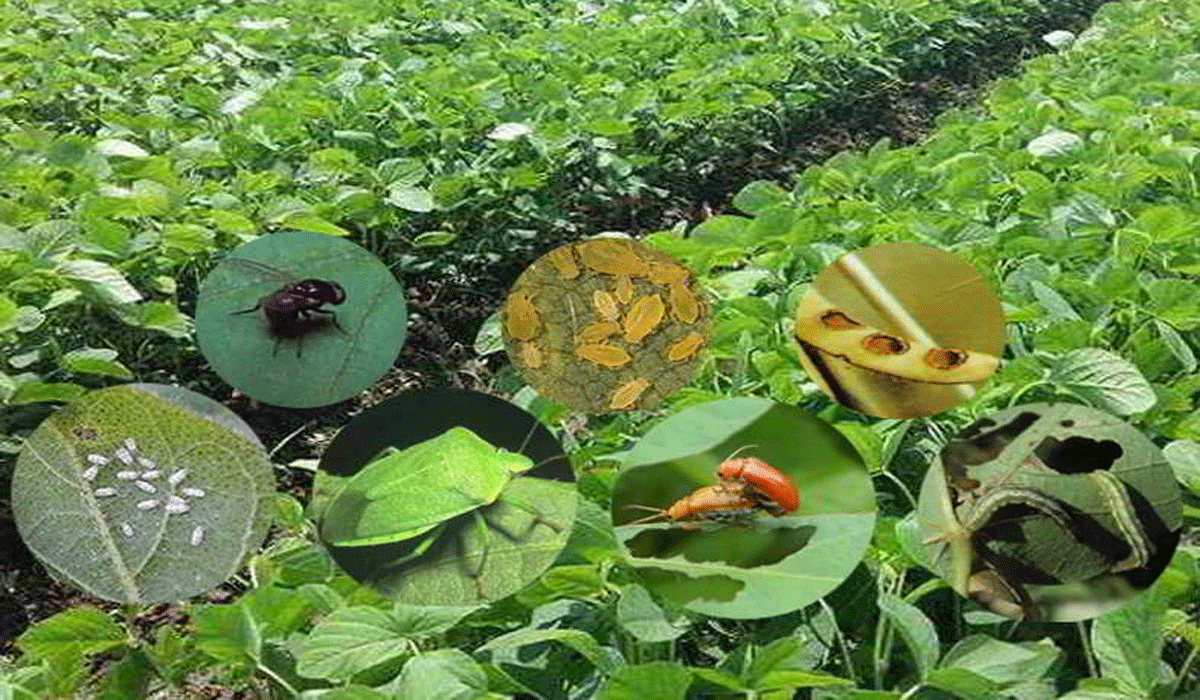
Sustainable farming emphasizes the balance between productivity and environmental preservation. One commonly used technique is crop rotation, which prevents pests from continuously breeding on the same type of plant. It also helps maintain soil fertility.
In addition, the use of organic fertilizers improves plant health, making them more resistant to pest attacks. Healthy plants naturally have stronger defense systems compared to those grown in unbalanced conditions.
The Role of Environmental Cleanliness in Pest Control
Clean farming environments play a crucial role in pest prevention. Leftover plant debris can become breeding grounds for insects and diseases. Therefore, maintaining cleanliness in planting areas is an essential preventive measure.
Proper water management and drainage systems are also important to avoid excessive moisture conditions that attract certain pests. By keeping the environment clean and well organized, the risk of pest infestation can be significantly reduced.
Natural Innovations in Pest Control
Advances in agricultural technology have introduced various eco friendly innovations in pest control. One of them is botanical pesticides derived from plant extracts. These substances are safer compared to synthetic chemical pesticides.
Furthermore, ongoing research continues to develop more efficient and environmentally friendly methods. These innovations open great opportunities for modern agriculture that maintains environmental sustainability without reducing productivity.
Conclusion
Pest control does not always have to rely on chemical substances that may harm the environment. By understanding ecosystems and applying natural solutions, we can effectively protect crops while maintaining ecological balance.
Eco friendly approaches are not only short term solutions but also long term investments in sustainable agriculture. By applying the right methods, humans can coexist with nature without damaging it.
Image Source:
First Image from: gokomodo.com
Second Image from: www.panda.id