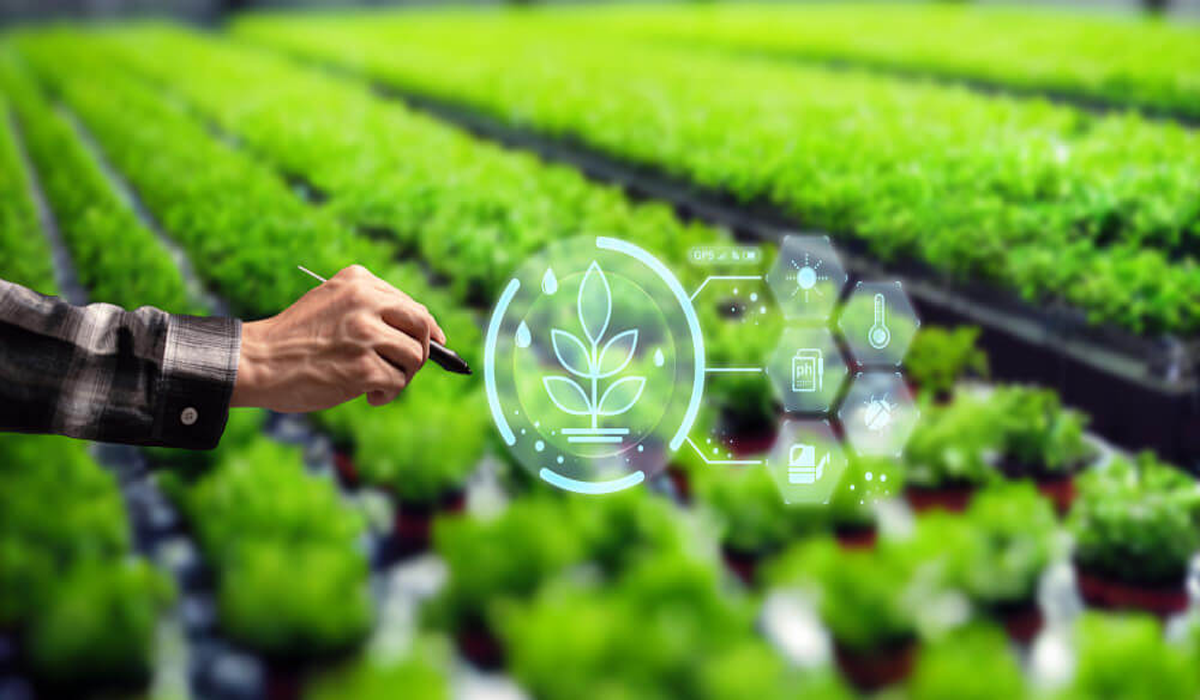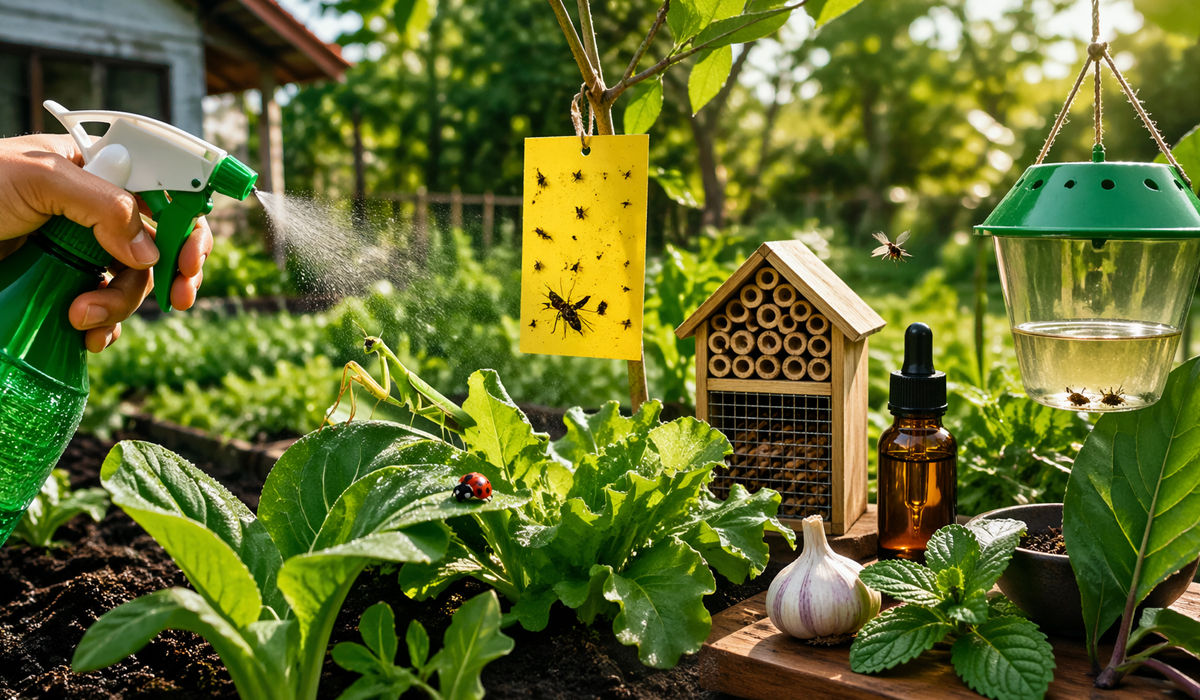

Integrated Pest Management (IPM) is a sustainable farming approach that reduces pests while protecting environment and crop health.
Instead of relying heavily on chemical pesticides, combines multiple strategies to manage pest populations at acceptable levels while minimizing risks to humans, animals, and ecosystems. This approach focuses on long-term prevention rather than short-term eradication, making it highly effective for sustainable farming systems.
This Effective Pest Control discusses Integrated Pest Management (IPM) in sustainable agriculture.
Understanding Principles
Integrated Pest Management is based on the principle that pest control should be both effective and environmentally responsible. It emphasizes understanding pest life cycles, environmental conditions, and the natural balance within ecosystems. By studying these factors, farmers can make informed decisions about when and how to intervene.
Another key principle is threshold-based action. This means pests are only controlled when their population reaches a level that could cause economic or environmental damage. This prevents unnecessary pesticide use and encourages more sustainable farming practices.
Key Components Of
Involves several interconnected components, including monitoring, identification, and prevention. Regular field scouting helps farmers detect pest activity early, allowing timely responses before infestations spread widely. Accurate pest identification is also crucial to ensure the right control methods are applied.
Prevention plays a central role in strategies. This includes practices such as crop rotation, selecting pest-resistant plant varieties, and maintaining soil health. These methods reduce the likelihood of pest outbreaks and strengthen overall crop resilience.
Also Read: The Secret To a Clean And Safe Home For a Happy Family
Biological And Cultural Controls
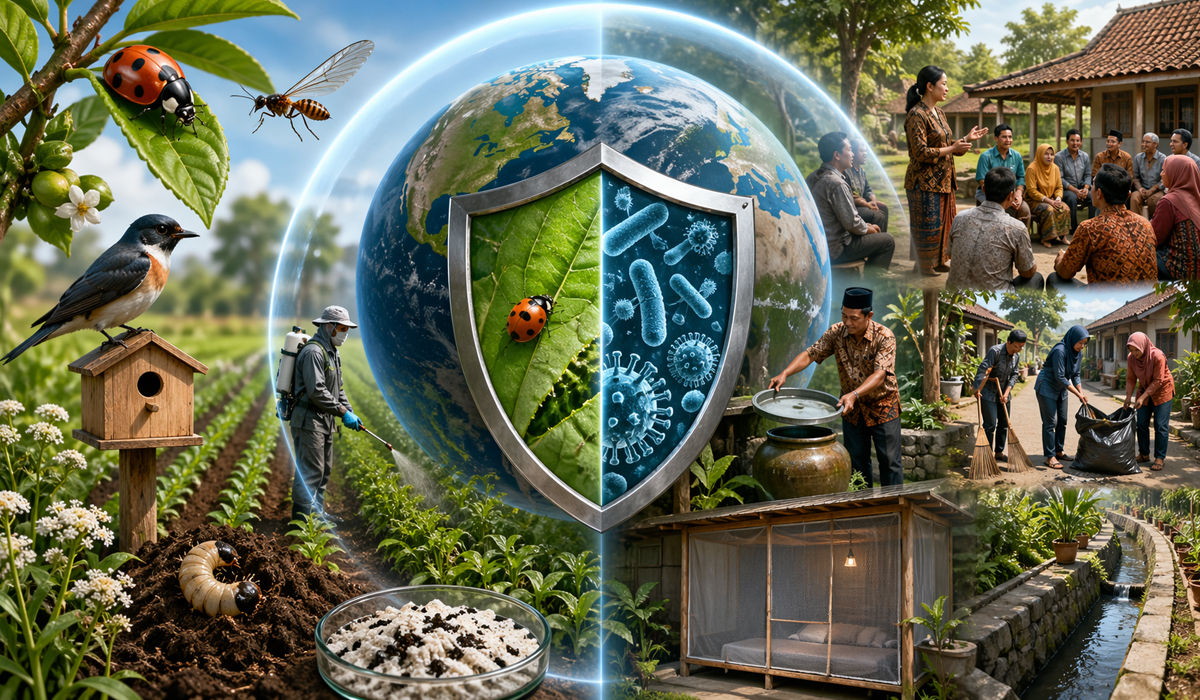
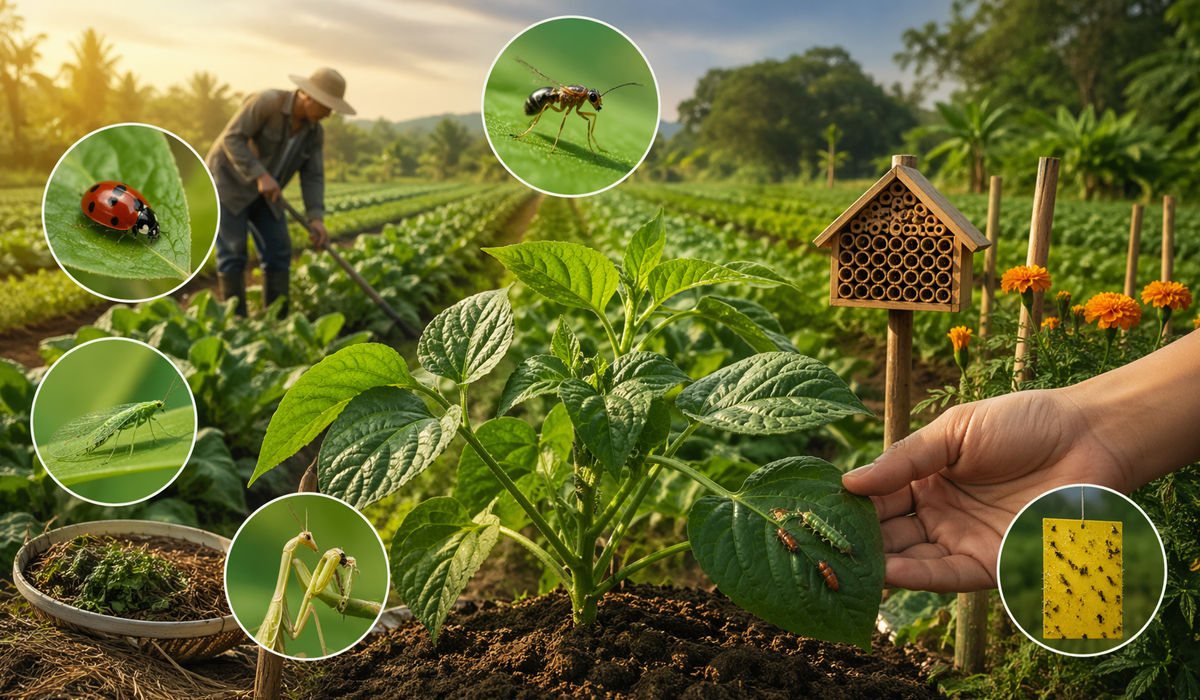
Biological control uses natural predators, parasites, or pathogens to manage pest populations. For example, ladybugs can help control aphids, while certain bacteria can target harmful insects without affecting crops. This method reduces dependency on chemical pesticides and supports biodiversity.
Cultural control methods involve adjusting farming practices to make the environment less favorable for pests. Techniques such as proper irrigation, sanitation, and intercropping help disrupt pest life cycles and limit their ability to spread.
Chemical Use And Safety In
Although reduces reliance on chemicals, pesticides are still used when necessary. However, they are carefully selected and applied in a targeted manner to minimize environmental impact. This ensures chemicals are used only as a last resort.
Safe application practices are essential in systems. Farmers are trained to use correct dosages, timing, and application methods to avoid resistance development in pests. This balanced approach helps maintain effectiveness while reducing harmful side effects.
Benefits And Implementation Challenges
One of the major benefits of is its sustainability. It reduces environmental pollution, protects beneficial organisms, and promotes long-term agricultural productivity. Farmers also benefit from lower input costs over time due to reduced pesticide usage.
However, implementing can be challenging. It requires knowledge, training, and continuous monitoring, which may not always be accessible to all farmers. Despite these challenges, increasing awareness and technological support are helping become more widely adopted.
Conclusion
Integrated Pest Management offers a balanced and sustainable solution to pest control in agriculture. By combining biological, cultural, mechanical, and chemical methods, it reduces environmental damage while maintaining crop productivity. Although it requires careful planning and education, its long-term benefits make it a crucial strategy for the future of farming.
Image Source:
First Image from: bugsbegone.org
Second Image from: bugsbegone.org