
Controlling pests has long been a challenge for homeowners, farmers, and communities, requiring safe and sustainable solutions.
Traditional methods often rely on chemical pesticides that can harm not only unwanted insects or animals but also beneficial organisms, soil quality, water systems, and even human health. Today, there is a growing shift toward environmentally friendly pest control strategies that balance effectiveness with sustainability.
To learn more about this topic, you can read our detailed guide here Effective Pest Control.
Understanding Integrated Pest Management
Integrated Pest Management (IPM) is one of the most widely accepted eco-friendly approaches to pest control. It combines multiple strategies to minimize pest populations while reducing reliance on harmful chemicals. Instead of reacting only when pests appear, IPM emphasizes monitoring, prevention, and careful decision-making based on environmental impact.
This approach includes identifying the specific pest, understanding its life cycle, and using targeted solutions. For example, rather than spraying chemicals broadly, IPM may suggest introducing natural predators or adjusting environmental conditions.
Biological Control Methods
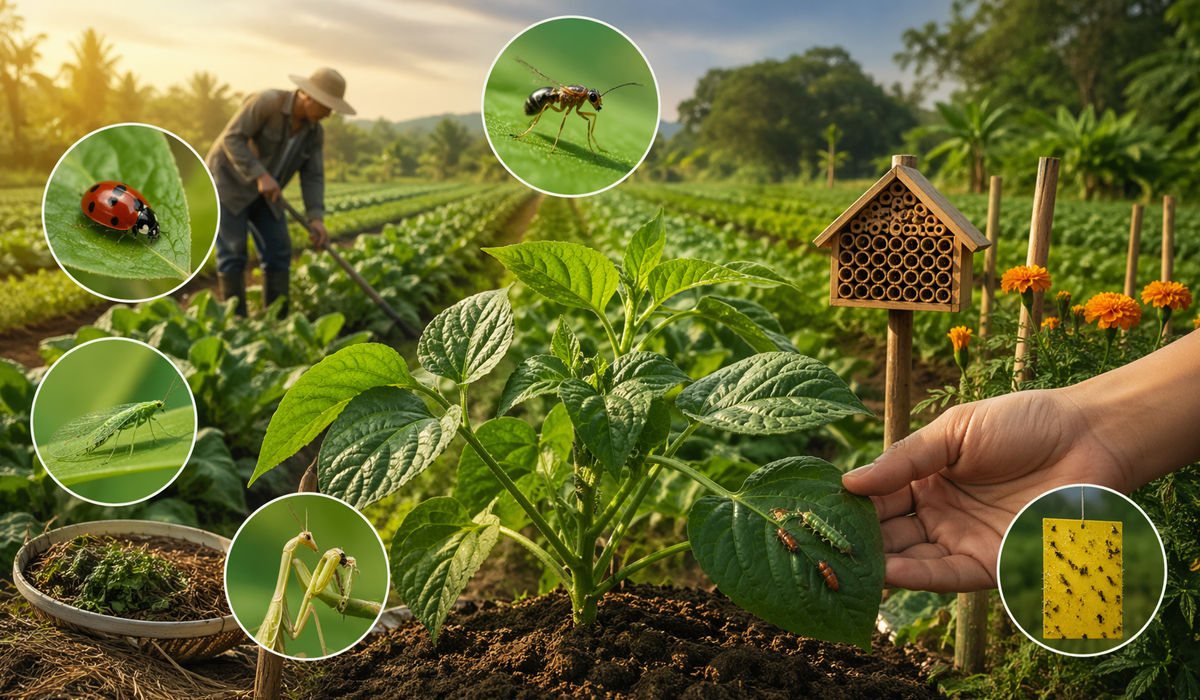
Biological control involves using natural predators, parasites, or pathogens to reduce pest populations. This method mimics nature’s own way of maintaining balance in ecosystems. For instance, ladybugs can be introduced to control aphid populations, while certain nematodes can help eliminate soil-dwelling pests.
These solutions are highly specific and reduce the risk of harming non-target species. Additionally, biological control methods are often self-sustaining once established. While they may take longer to show results compared to chemical pesticides, they offer long-term benefits and contribute to a healthier environment.
Also Read: Integrated Pest Management: A Sustainable Solution For Agriculture
Eco-Friendly Repellents And Natural Solutions

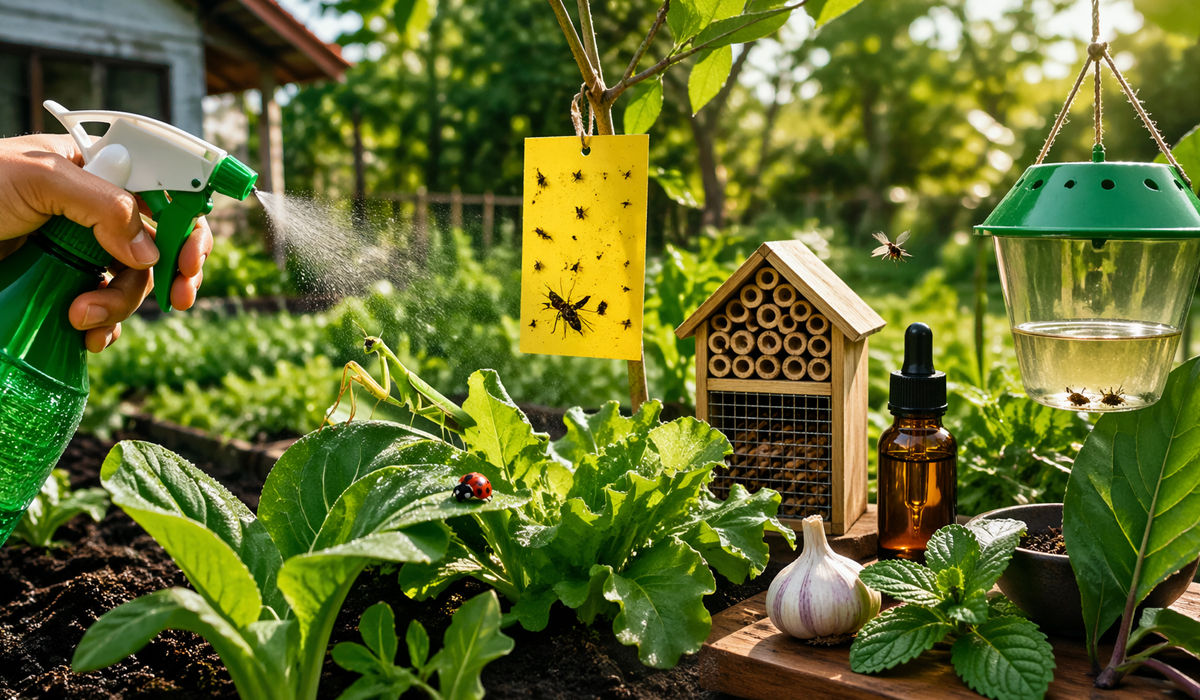
Natural repellents derived from plants and essential oils are becoming increasingly popular. Ingredients like neem oil, garlic extract, and peppermint oil can effectively deter pests without introducing toxic substances into the environment.
Another advantage of natural repellents is their safety for humans and pets when used correctly. They break down more quickly than synthetic chemicals, reducing long-term environmental impact.
Habitat Modification And Prevention
One of the most effective ways to control pests is to prevent them from thriving in the first place. Habitat modification involves making changes to the environment that make it less attractive to pests.
In agricultural settings, crop rotation and soil management play a crucial role in preventing pest infestations. By disrupting pest life cycles and improving soil health, farmers can reduce the need for chemical interventions.
Technological Innovations In Pest Control
Modern technology is playing an important role in sustainable pest management. Smart traps, sensors, and data-driven monitoring systems allow for precise detection and control of pest populations.
Additionally, advancements in genetic research and eco-friendly formulations are leading to more targeted and less harmful pest control solutions. For example, pheromone traps can disrupt mating cycles, effectively reducing pest populations without harming other species.
Conclusion
Modern pest control is no longer just about eliminating unwanted organisms it is about doing so responsibly. By adopting methods such as Integrated Pest Management, biological controls, natural repellents, habitat modification, and innovative technologies, it is possible to manage pests without harming the environment.
Image Source:
First Image from: bugsbegone.org
Second Image from: bugsbegone.org