Easy Pest Control helps keep your home safe from pests, ensuring health, comfort, and proper maintenance of your property daily.
While professional pest control services exist, homeowners can take proactive steps to prevent infestations and manage minor pest problems themselves. This guide from Effective Pest Control will cover easy, effective, and safe pest control tricks that every homeowner should know, helping to protect your home, family, and belongings.
Identifying Common Household Pests
Before implementing any pest control strategies, it is important to understand the types of pests that commonly invade homes. These may include ants, cockroaches, rodents, termites, and flies. Identifying the pest type helps in selecting the most effective control method.
Understanding pest behavior and breeding habits also allows homeowners to anticipate problem areas and take preventive measures. Early identification can prevent minor issues from escalating into serious infestations.
Signs of Infestation
Look for droppings, chewed wires, unusual noises, or visible pests in hidden areas. Recognizing these signs early is key to addressing the problem effectively.
Common Entry Points
Pests often enter homes through gaps in windows, doors, vents, or cracks in walls. Sealing these entry points reduces the likelihood of infestations and makes other control measures more effective.
Simple Preventive Measures
Prevention is always better than cure when it comes to pest control. Maintaining cleanliness and removing potential attractants are crucial first steps. Keeping food sealed, storing garbage properly, and cleaning up spills immediately helps reduce the availability of food sources that attract pests.
Regularly inspecting the home for damp areas, leaks, or clutter can prevent environments that pests thrive in.
Maintain Cleanliness
Regular cleaning, sweeping, and vacuuming removes crumbs, debris, and other materials that pests feed on. Kitchens, pantries, and pet feeding areas should receive extra attention.
Reduce Moisture and Clutter
Many pests, like cockroaches and termites, are drawn to moisture. Fixing leaks and reducing damp spots, along with minimizing clutter, limits shelter and breeding grounds for pests.
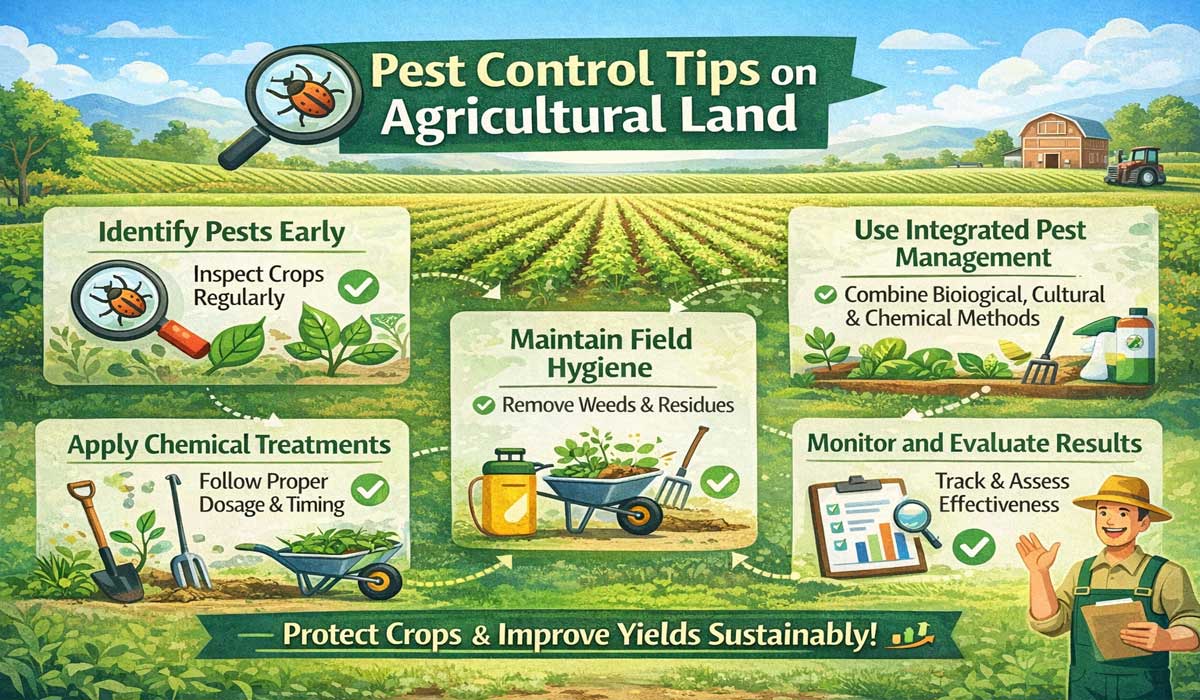
Aslo Read: Pest Control Tips On Agricultural Land
Effective DIY Pest Control Tricks
Several safe and easy methods can help manage minor pest problems without professional intervention. Using natural repellents, traps, and barriers are effective options for homeowners.
For example, diatomaceous earth, essential oils like peppermint, or vinegar solutions can deter pests. Sticky traps or bait stations can monitor and reduce pest populations while chemical sprays should be used as a last resort, following label instructions carefully.
Natural Repellents
Natural substances such as peppermint oil, neem oil, or vinegar can be sprayed in areas prone to pests. They are safe for family and pets and help discourage pests from entering the home.
Traps and Barriers
Using sticky traps, bait stations, or sealing gaps with caulk can physically prevent pests from entering and reproducing. These measures are effective for both rodents and insects when combined with preventive cleaning.
Conclusion
Maintaining a pest-free home is achievable with simple, consistent actions. By identifying common pests, implementing preventive measures, and using safe DIY control tricks, homeowners can protect their homes effectively. Cleanliness, moisture control, and natural repellents form the foundation of easy pest control, ensuring a comfortable and healthy living environment.
Consistent monitoring and timely action are the keys to preventing infestations and maintaining a safe home for family and pets.
Image Information Source:
- First Image : foxessellfaster.com
- Second Image : ahigardens.com.au