Pest infestations are a common challenge for both homes and businesses, affecting health, property, and overall comfort.
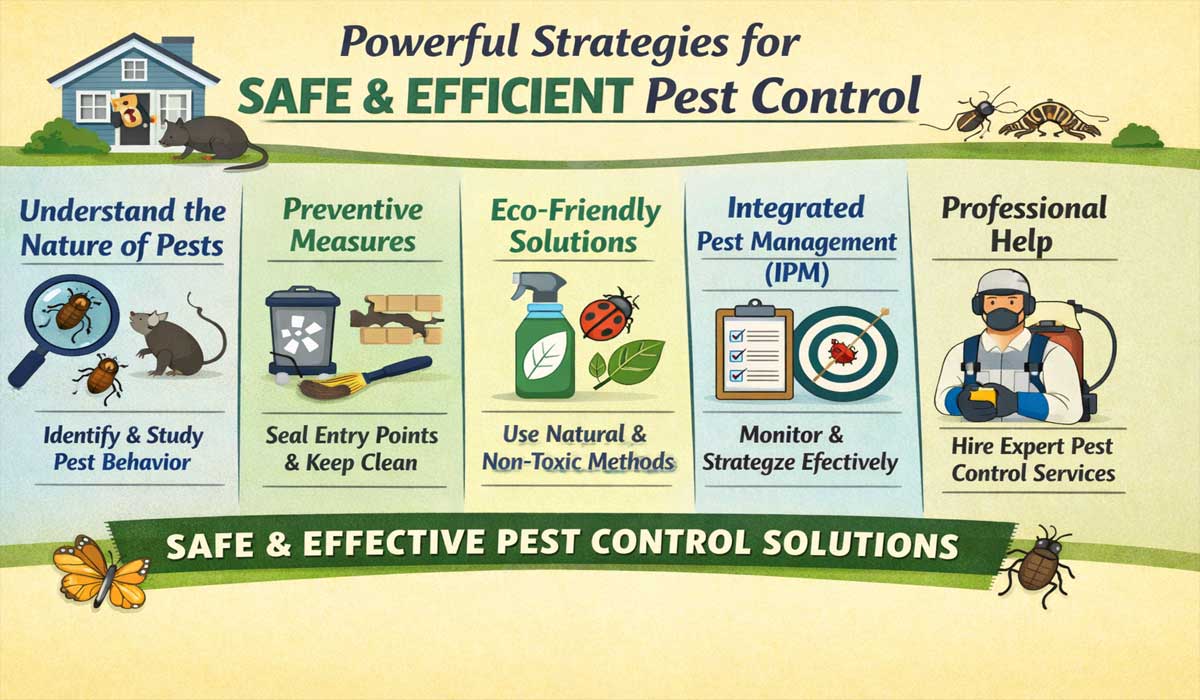
Tackling pests requires a strategic approach that balances effectiveness with safety for humans, pets, and the environment. By adopting well-planned methods, you can prevent infestations, minimize damage, and maintain a hygienic space without resorting to harsh chemicals. Here, we explore powerful strategies that ensure pest control is both safe and efficient.
Understanding the Nature of Pests
Before taking action, it is crucial to understand the type of pests you are dealing with. Different pests such as rodents, insects, or termites require unique approaches for effective control. Identifying the species helps in selecting the right tools and techniques, preventing wasted efforts and ensuring targeted results.
Pest behavior also influences control strategies. Knowing when pests are most active or where they breed can help you implement preventive measures effectively. Observing patterns allows for proactive intervention, reducing the likelihood of recurring infestations.
Preventive Measures to Minimize Infestation
The first step in pest control is prevention. Regular cleaning, proper waste management, and sealing entry points are simple yet highly effective practices. Maintaining cleanliness eliminates food sources and habitats, discouraging pests from settling in your space.
Structural maintenance also plays a key role. Fixing leaks, repairing cracks, and ensuring proper ventilation can remove potential breeding grounds. Combining physical barriers with hygienic practices creates a long-term defense against pests, reducing the need for chemical interventions.
Eco-Friendly and Safe Solutions
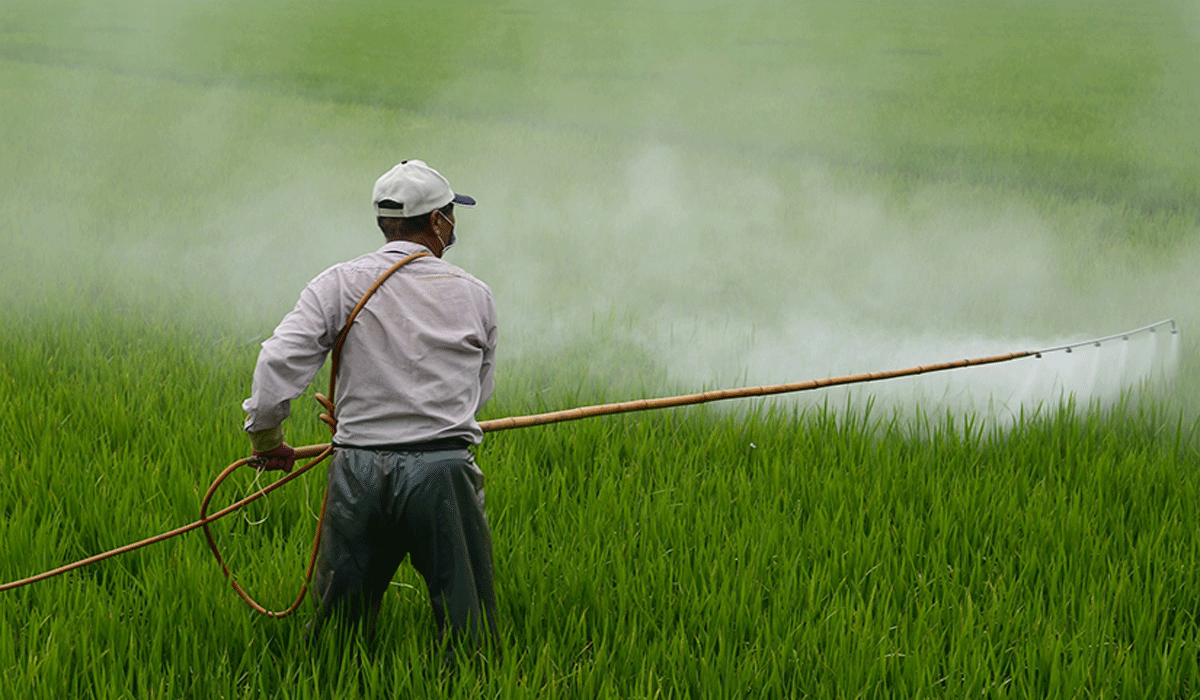
Using eco-friendly pest control solutions is vital for health and environmental safety. Organic sprays, natural repellents, and diatomaceous earth are effective alternatives to chemical pesticides. They minimize toxicity while still controlling pest populations efficiently.
Biological methods, such as introducing natural predators or beneficial insects, can also help maintain ecological balance. These methods are sustainable, target specific pests, and prevent chemical buildup, making them a responsible choice for both homes and workplaces.
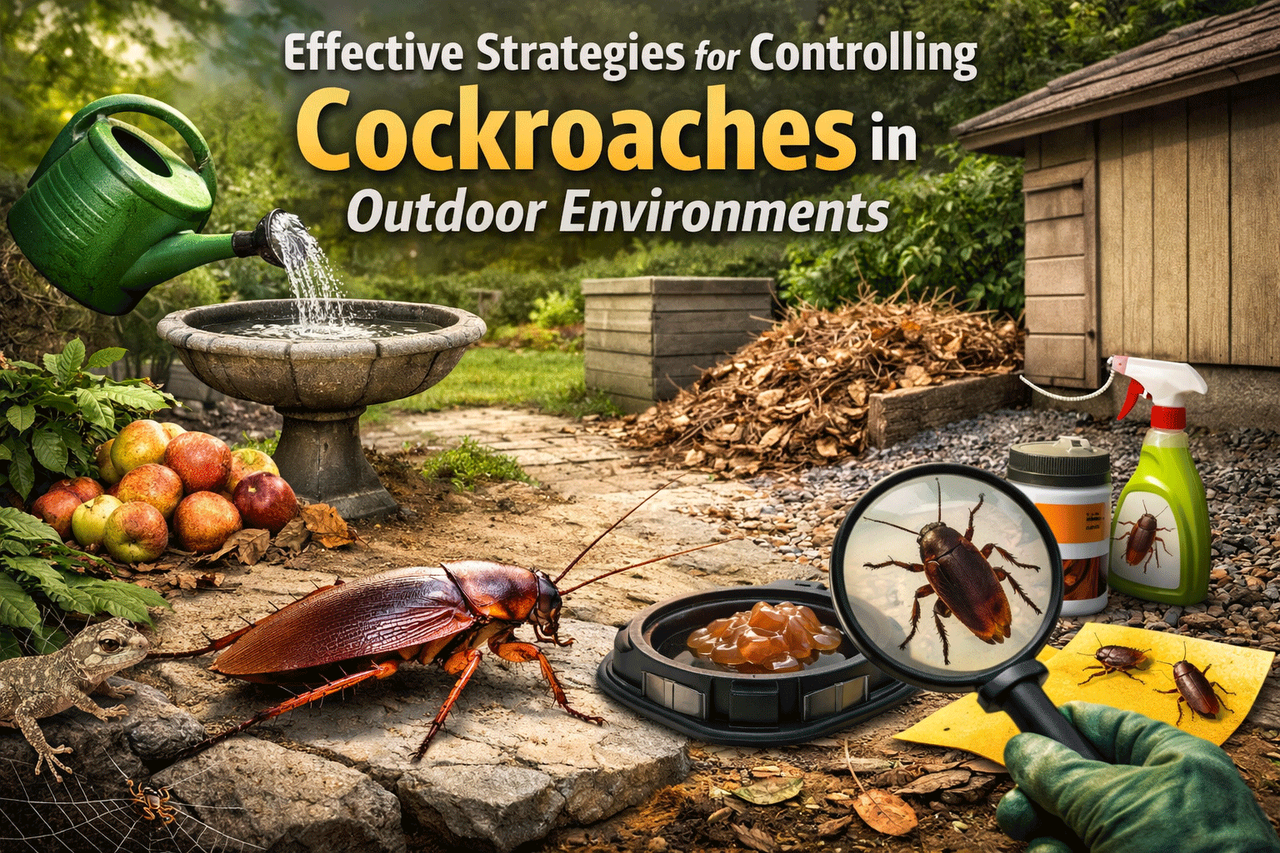
Read Also: Effective Strategies for Controlling Cockroaches in Outdoor Environments
Integrated Pest Management (IPM)
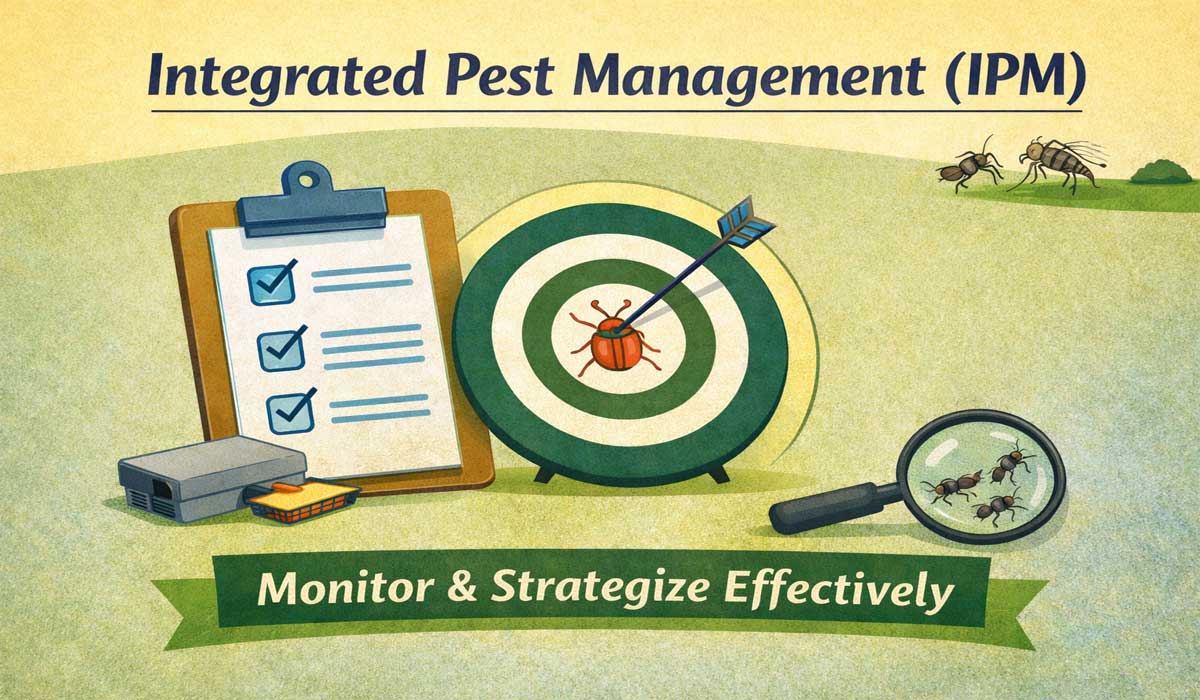
Integrated Pest Management (IPM) is a comprehensive approach combining multiple strategies for long-term pest control. IPM emphasizes monitoring, identifying, and implementing targeted actions rather than relying solely on chemicals.
This method includes a combination of sanitation, structural improvements, and selective treatment applications. IPM not only controls existing pests but also reduces the chances of future infestations, ensuring a more efficient and safer pest management process overall.
Professional Pest Control Services
Sometimes, DIY methods may not be enough, especially for severe infestations. Hiring professional pest control services ensures expert evaluation, safe application of treatments, and long-lasting results. Professionals use advanced tools and techniques tailored to specific pest challenges.
Additionally, certified pest control providers adhere to safety regulations, minimizing risks to humans, pets, and the environment. Collaborating with experts can save time, prevent property damage, and give peace of mind knowing that pest problems are handled efficiently.
Image Information Source:
- First Image from bugsbegone.org
- Second Image from bugsbegone.org