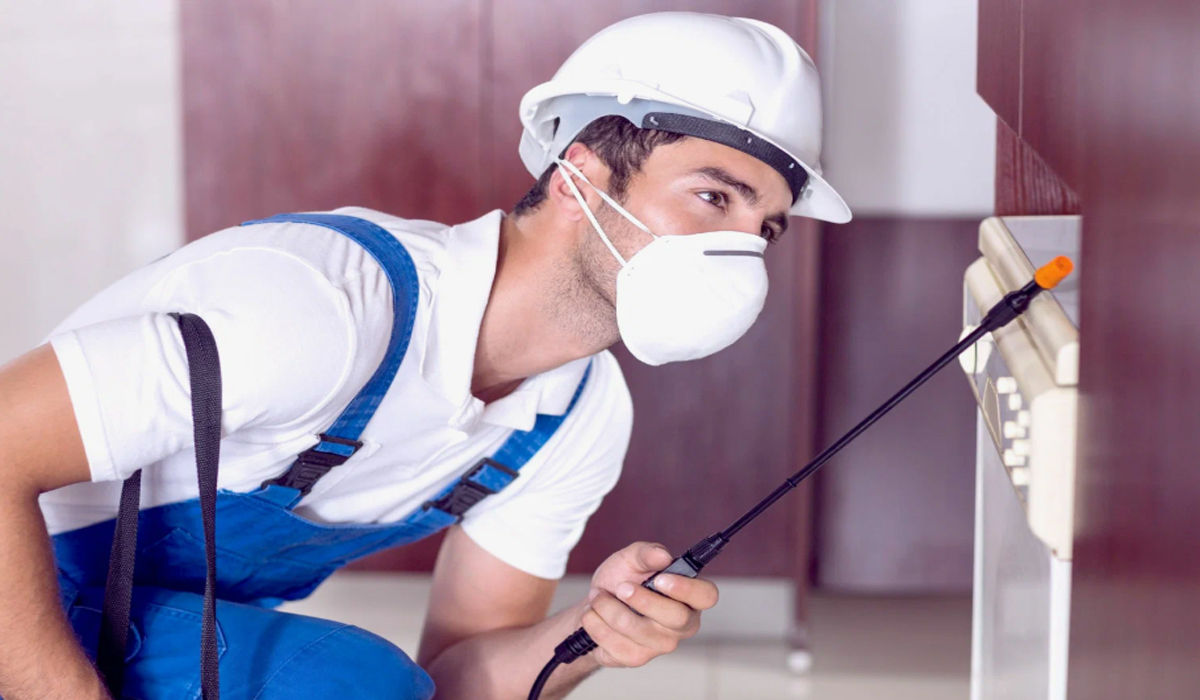
A clean and well maintained home environment is the key factor in preventing pests from entering the house.
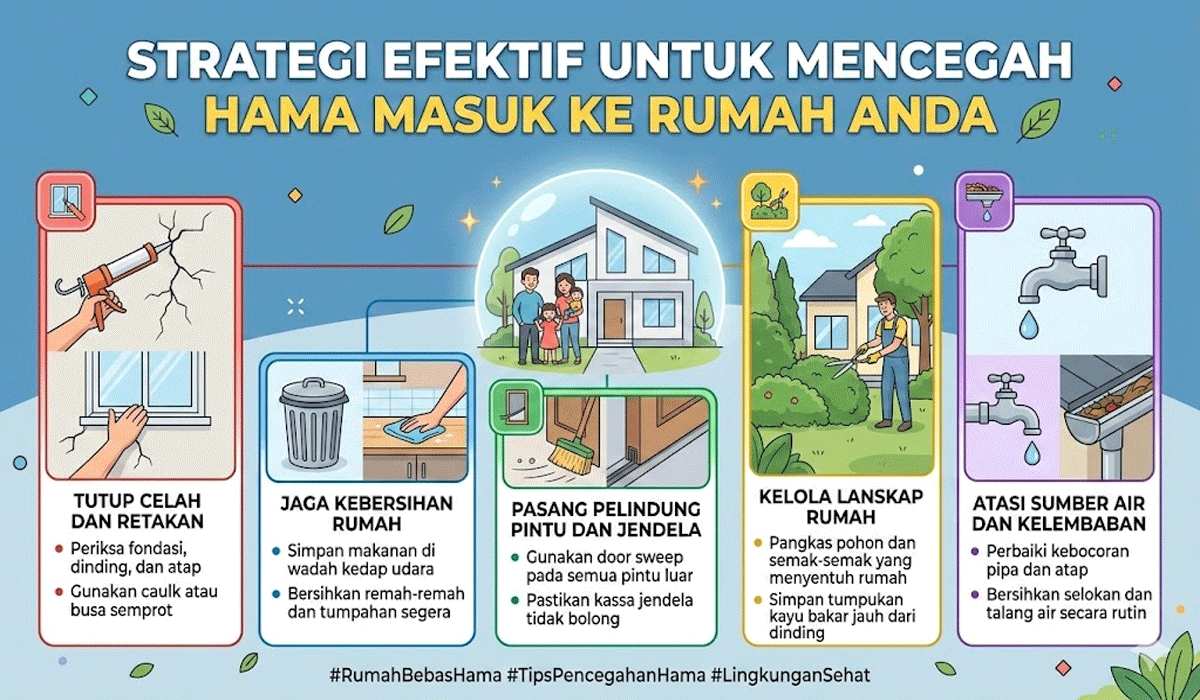
Pests such as ants, cockroaches, rats, and mosquitoes can multiply quickly if the house provides food sources and shelter. Therefore, prevention is far more effective than dealing with pest problems after they have already spread. Adopting clean living habits, maintaining proper sanitation, and paying attention to the surrounding environment are important initial steps.
In addition, the use of natural materials and environmentally friendly technology can help reduce the risk of pest attacks without harming the health of household members. Below, Effective Pest Control will provide interesting information that you must know.
Maintaining Kitchen And Food Storage Cleanliness
Kitchen cleanliness is the main factor in preventing pests from entering the house. Food scraps, bread crumbs, or open food containers can attract insects and rodents. Regularly cleaning the kitchen, tightly sealing food containers, and disposing of garbage regularly can reduce these risks. In addition, make sure kitchen drainage systems are not clogged because standing water often becomes a breeding ground for mosquitoes.
Food storage must also be carefully managed by using airtight containers. Storage cabinets should be cleaned regularly to prevent dirt buildup. Simple habits such as immediately cleaning spilled food and washing used utensils can have a significant impact on controlling pest populations in the home.
Closing Gaps And Pest Entry Access Points
Pests often enter through small gaps in walls, doors, or windows. Regularly inspecting the building condition can help identify hidden entry points. Cracks in walls should be repaired immediately using appropriate building sealants so that pests cannot easily enter indoor spaces.
Installing screens on ventilation openings and windows is another effective step. In addition, make sure doors are always closed tightly, especially at night. Using rubber seals at the bottom of doors can reduce the possibility of insects and rodents entering. Physical prevention methods like this have proven to be quite effective in the long term without excessive use of chemical substances.
Proper Household Waste Management
Household waste is a major attraction source for pests. Organic waste that is not disposed of immediately can produce odors that attract insects and small animals. Therefore, use trash bins with lids and ensure waste is disposed of daily to maintain home cleanliness.
Separating organic and inorganic waste also helps maintain environmental cleanliness. Organic waste should be disposed of immediately or processed into compost if possible. Cleaning the trash area with disinfectant regularly can reduce the risk of bacterial growth and discourage pests from coming to the area around the house.
Read Also: Ultimate Guide to Indoor and Outdoor Pest Prevention
Controlling Humidity And Air Circulation
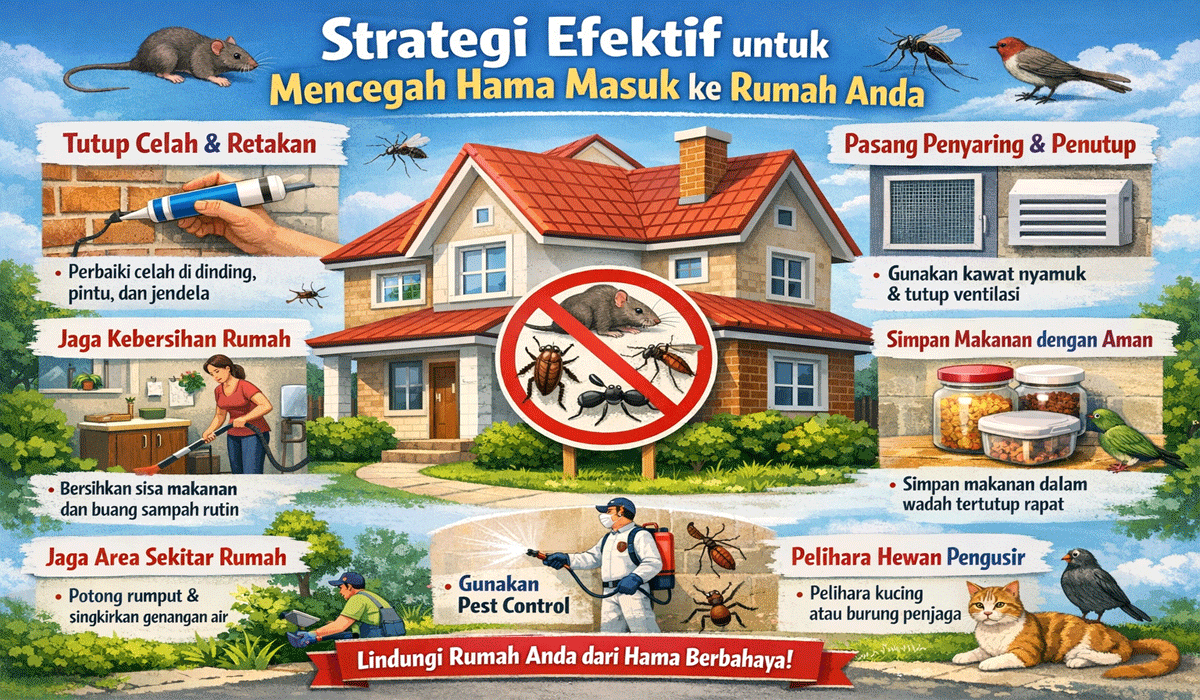
A humid home environment is ideal for the growth of mold and several types of insects. Ensuring good air circulation can help maintain stable humidity levels. Opening windows in the morning allows fresh air to enter and reduces excess humidity.
Using air humidity control devices can be an additional solution. Repairing leaking pipes and damaged roofs is also important because leaks can cause water puddles that become breeding places for pests. Houses with good ventilation tend to be healthier and have fewer pest disturbances.
Utilizing Natural Materials For Pest Prevention
Natural materials can be used as a safe alternative for pest control for families. Ingredients such as lemongrass leaves, eucalyptus oil, and cloves have aromas that insects dislike. Placing these materials in corners of the house can help reduce the arrival of certain pests.
In addition, insect repellent plants such as lavender and mint can be planted around the house. Besides functioning as decoration, these plants help create an environment that is less friendly to pests. The use of natural materials is a wise choice to maintain ecological balance around the house.
Conducting Regular Home Inspections
Routine inspections of home conditions can help detect early signs of pest presence. Droppings, bite marks, or strange noises at night can indicate pests inside the house. Early detection will make preventive action easier before pest populations grow larger.
If signs of pest presence are found, immediately take appropriate preventive measures. Consulting pest control experts can help determine the best steps. Regular inspections are a long term investment in maintaining comfort and health for household occupants.
Conclusion
Preventing pests inside the home requires consistency in maintaining cleanliness and paying attention to environmental conditions. A combination of cleanliness, structural building repairs, and the use of natural materials can provide optimal protection against pest attacks. Simple habits performed regularly will have a major impact on household health.
By implementing prevention strategies early, the risk of pest disturbances can be minimized. A clean, healthy, and well maintained home will create comfort for all occupants. Pest prevention efforts are not only about cleanliness but also about maintaining overall family quality of life.