Protecting your home from pests doesn’t have to come at the cost of the environment or your family’s health.
Conventional chemical pesticides may be effective, but they often carry harmful toxins that can linger in your living space. Eco-friendly pest control solutions offer natural, safe alternatives that not only keep pests at bay but also maintain a healthy home ecosystem.
From simple home remedies to innovative biological methods, these approaches are designed to work in harmony with nature. The following Effective Pest Control, we explore the most effective and sustainable ways to protect your home from unwanted intruders.
Use Essential Oils As Natural Repellents
Essential oils are a powerful tool in eco-friendly pest management. Oils like peppermint, eucalyptus, and tea tree have strong aromas that repel insects such as ants, mosquitoes, and spiders. You can create simple sprays by diluting a few drops of essential oil in water and applying it to windowsills, door frames, and corners. Not only do these oils deter pests, but they also leave a refreshing scent throughout your home.
Another advantage of essential oils is their versatility. They can be used in diffusers, incorporated into homemade cleaning solutions, or even applied to small sachets placed in cupboards and closets. This method is chemical-free, non-toxic to humans and pets, and can be refreshed easily whenever needed, making it a sustainable solution for everyday pest prevention.
Introduce Beneficial Insects
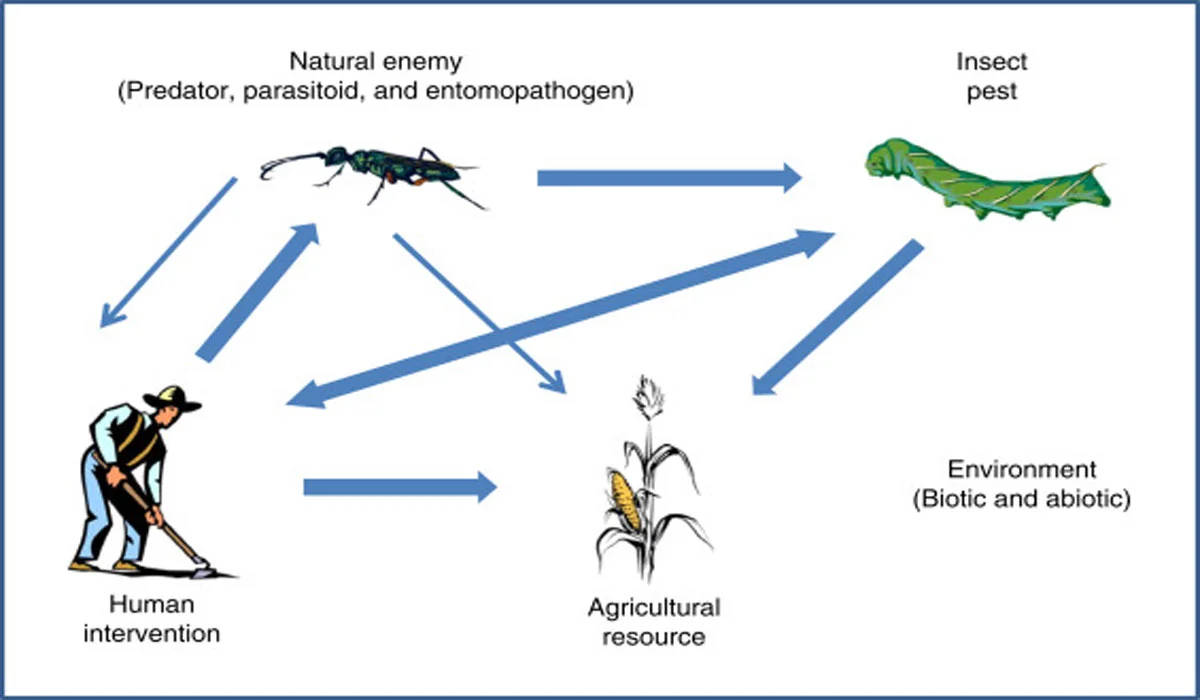
Certain insects are natural predators of pests and can help maintain balance in your home or garden. Ladybugs, for example, feed on aphids, mites, and other small insects that can damage plants. Similarly, predatory beetles and parasitic wasps target common household pests without harming your environment. Introducing these beneficial insects reduces the need for harmful chemical sprays.
Creating an insect-friendly habitat is key to this approach. Planting flowering herbs, maintaining compost areas, or using insect hotels encourages beneficial species to thrive naturally. By leveraging the natural predator-prey relationships, you can achieve effective pest control while supporting biodiversity and ecological health.
Employ Diatomaceous Earth
Diatomaceous earth (DE) is a fine, powdery substance made from fossilized algae. It works by dehydrating insects such as cockroaches, ants, and fleas when they come into contact with it. Safe for humans and pets, DE is an excellent alternative to conventional insecticides. Applying a thin layer in cracks, around baseboards, or under appliances can significantly reduce pest activity.
Its non-toxic nature makes DE suitable for indoor and outdoor use. Besides insects, it also aids in controlling garden pests without harming soil health. Regular reapplication, especially after cleaning or rain, ensures its continued effectiveness, providing a sustainable and chemical-free pest solution.
Read Also: Protect Your Space: Effective Pest Control Strategies
Use Physical Barriers And Traps
Simple physical barriers can prevent pests from entering your home naturally. Installing mesh screens on windows and vents, sealing gaps around doors, and maintaining tight-fitting lids on trash cans can drastically reduce pest infiltration. These preventive measures are straightforward and cost-effective while reducing the need for chemical intervention.
For pests already inside, eco-friendly traps are highly effective. Sticky traps for insects, humane mouse traps, and pheromone traps allow you to control infestations without toxins. Combining prevention with targeted trapping ensures a safer environment while managing pest populations efficiently.
Maintain Cleanliness And Proper Waste Management
A clean home is the first line of defense against pests. Regularly sweeping floors, wiping counters, and properly storing food eliminates attractants for ants, rodents, and flies. Cluttered areas like basements, garages, and storage rooms should be kept organized to reduce hiding spots for insects and rodents.
Waste management also plays a critical role. Composting responsibly, using sealed trash bins, and removing organic waste promptly can prevent infestations. These habits not only protect your home but also contribute to overall environmental health, reinforcing an eco-friendly approach to pest control.
Explore Natural Plant-Based Pesticides
Certain plants possess natural insect-repelling properties. For instance, marigolds deter nematodes, basil wards off mosquitoes, and garlic spray can repel aphids. Incorporating these plants indoors or in your garden acts as a continuous defense mechanism against pests while adding aesthetic value to your surroundings.
Natural plant-based sprays are another effective option. Extracts from neem, pyrethrum, and other botanicals can target pests selectively without harming beneficial insects. These solutions offer a chemical-free, sustainable way to maintain a pest-free home while supporting a balanced ecosystem.
Conclusion
Eco-friendly pest solutions provide a safe, effective, and sustainable way to protect your home. By combining natural repellents, beneficial insects, physical barriers, and good hygiene practices, you can manage pests without harming your family or the environment.
These methods are not only practical but also encourage a healthier lifestyle and a greener planet. For the latest and most interesting related information, you can also click the TEACHING link.
Image Information Source:
- First Image: emergencypestcontrol.net
- Second Image: picturethisai.com