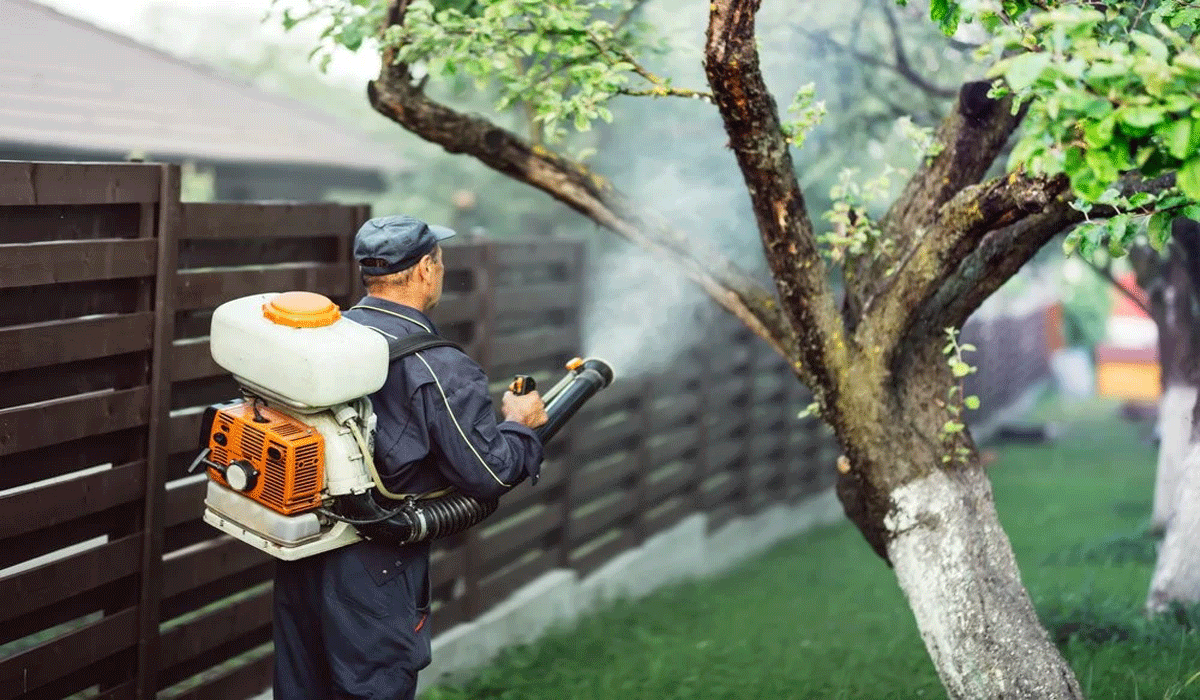
Microorganism-Based Pest Control offers a sustainable solution that increases agricultural productivity while reducing environmental risks.
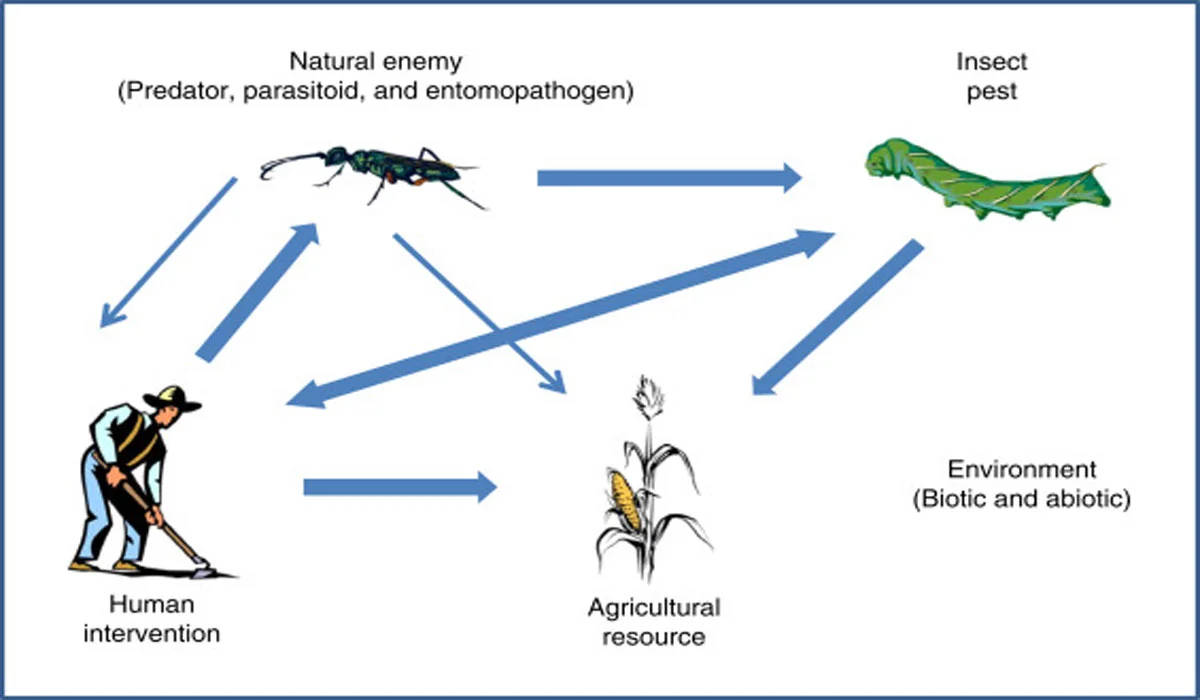
Pest Control is a systematic effort to manage harmful organisms using biological methods including microorganisms to maintain ecological balance and agricultural productivity. Below, Effective Pest Control will discuss opportunities and challenges of using microorganisms for effective and sustainable pest management practices.
Role of Microorganisms in Pest Management
Microorganisms such as bacteria fungi and viruses actively control pest populations naturally without damaging surrounding ecosystems in agricultural environments. This approach supports Pest Control based on biological systems that reduce reliance on synthetic chemicals harmful to environmental health.
For example Bacillus thuringiensis produces specific toxins targeting insect larvae without affecting beneficial organisms nearby in agricultural ecosystems. The use of microorganisms also improves soil health through positive interactions with native microbes and plant nutrient cycles. This method is widely applied in organic farming systems to maintain crop quality and meet global food safety standards effectively.
Additionally microorganisms reproduce naturally providing long term control effects that improve efficiency in pest management strategies. Scientific research continues to enhance effectiveness and stability of these biological agents under diverse environmental conditions worldwide.
Advantages Compared to Chemical Pesticides
The use of microorganisms provides significant advantages compared to chemical pesticides that often cause resistance and long term environmental damage. In Pest Control systems microorganisms act specifically so they do not harm non target organisms such as essential pollinators.
This approach also reduces chemical residues in crops improving safety for human and animal consumption across agricultural supply chains. Furthermore long term costs tend to be lower because microorganisms reproduce naturally without requiring frequent intensive applications.
Farmers benefit from improved soil fertility through microbial activity that enhances structure and nutrient availability in farming systems. This method supports ecological balance and promotes sustainable agricultural practices on a global scale effectively. These advantages make biological approaches increasingly popular as alternatives to conventional pest management strategies worldwide today.
Also Read: Top Eco-Friendly Pest Solutions To Protect Your Home Naturally
Challenges in Field Implementation
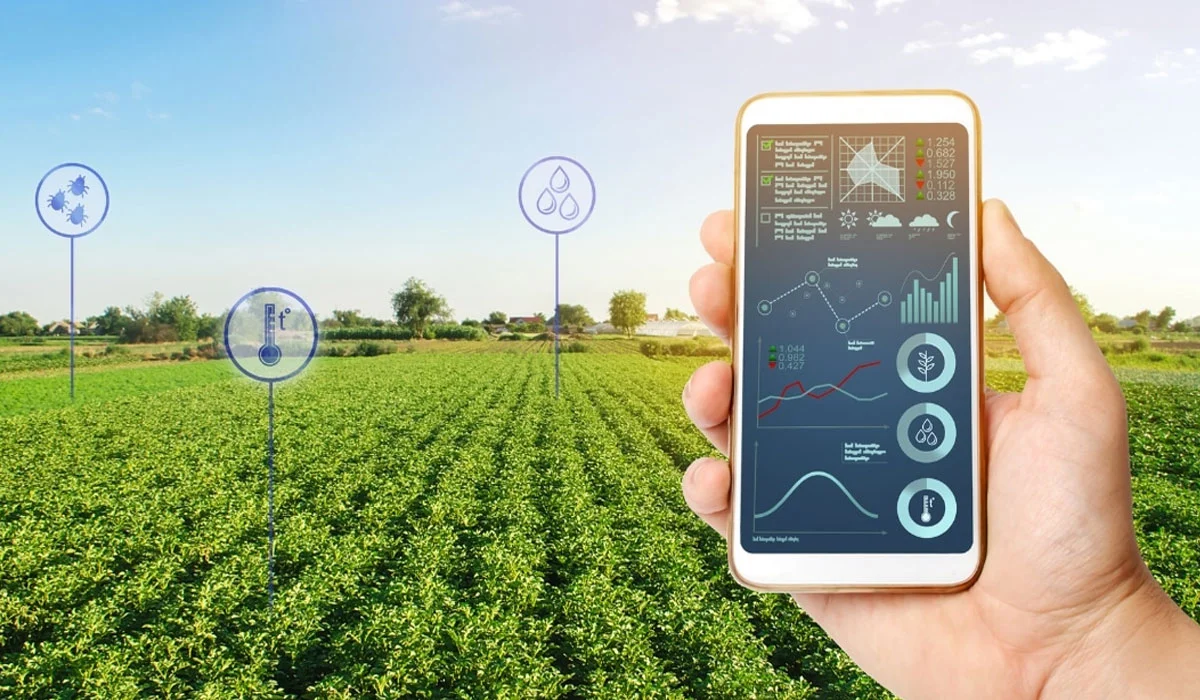
Despite many advantages the application of microorganisms in pest management faces various technical and environmental challenges in real agricultural conditions. Pest Control systems based on microorganisms are often influenced by weather temperature and humidity that reduce organism effectiveness significantly.
Product stability during storage and distribution also becomes a major concern in maintaining consistent quality until application stages. Farmers require sufficient technical knowledge to apply microorganisms correctly according to pest types and crop conditions in fields.
Limited education and access to these technologies can slow adoption rates across different agricultural regions worldwide. Additionally initial research and development costs remain relatively high compared to conventional pesticide production systems in many markets. Therefore policy support and training programs are necessary to improve effective implementation of biological pest control solutions globally.
Innovation and Technological Development
Advances in biotechnology create major opportunities to improve effectiveness of microorganisms as pest control agents with better stability and performance. In Pest Control innovation focuses on developing formulations that withstand extreme environmental conditions and maintain longer shelf life for agricultural use. Research also explores combining multiple microorganisms to produce synergistic effects against various pest species simultaneously in farming systems.
Modern fermentation technology enables large scale production of high quality microorganisms at more affordable costs for agricultural industries. Additionally application systems using drones and sensors improve precision distribution of microorganisms efficiently across large farming areas.
Digital data integration supports monitoring effectiveness and adjusting pest management strategies in real time agricultural operations. These innovations continue evolving to address complex and dynamic needs of sustainable agriculture worldwide effectively.
Future Prospects of Biological Pest Control
The use of microorganisms in pest management is expected to grow as global awareness increases regarding sustainable agricultural practices and environmental protection. Pest Control based on biological methods becomes essential in integrated pest management strategies that prioritize ecological balance.
Regulatory support and increased research investment encourage development of more effective and user friendly biological products for farmers. Consumer demand for chemical free agricultural products strengthens the position of biological methods in global markets significantly. Collaboration among scientists industries and governments accelerates adoption of these technologies across developing agricultural regions worldwide.
With proper implementation microorganisms can serve as primary solutions for maintaining ecosystem balance and agricultural productivity effectively. The future of pest management will increasingly depend on sustainable biological innovations adapting to environmental changes continuously.
Image Source:
First Image from: www.sciencedirect.com
Second Image from: www.linkedin.com