Discover chemical-free pest control tips using natural methods, traps, and clean habits to keep your home safe and pest-free.
While chemical sprays and poisons are commonly used, they often pose health risks to humans, pets, and the environment. Fortunately, there are effective, natural methods to keep pests at bay without resorting to harsh chemicals.
By understanding pest behavior and employing simple preventive strategies, you can maintain a safe, comfortable living space. The following Effective Pest Control explores practical, eco-friendly approaches to pest control that protect your home and your well-being.
Understanding Natural Pest Behavior
Pests such as ants, cockroaches, and rodents are constantly on the lookout for food, water, and shelter. By learning their habits and life cycles, you can anticipate their movements and prevent infestations before they start. Observing patterns, like where ants enter or where rodents hide, provides valuable insight for strategic intervention.
Awareness of natural deterrents can also help you exploit pests’ weaknesses. Many pests are sensitive to certain smells, temperatures, and light conditions. Using this knowledge, you can design an environment that is unattractive to them without introducing harmful chemicals.
Seal and Block Entry Points
A primary step in chemical-free pest control is denying pests access to your home. Small cracks, gaps in doors or windows, and unsealed vents often act as highways for unwanted visitors. Regularly inspecting these areas and sealing openings with weatherstripping or caulk drastically reduces entry points.
Additionally, door sweeps and fine mesh screens over vents and windows can prevent tiny insects and larger pests from sneaking inside. Blocking access is one of the simplest yet most effective ways to reduce infestations naturally, saving time and reducing stress in the long term.
Natural Repellents That Work
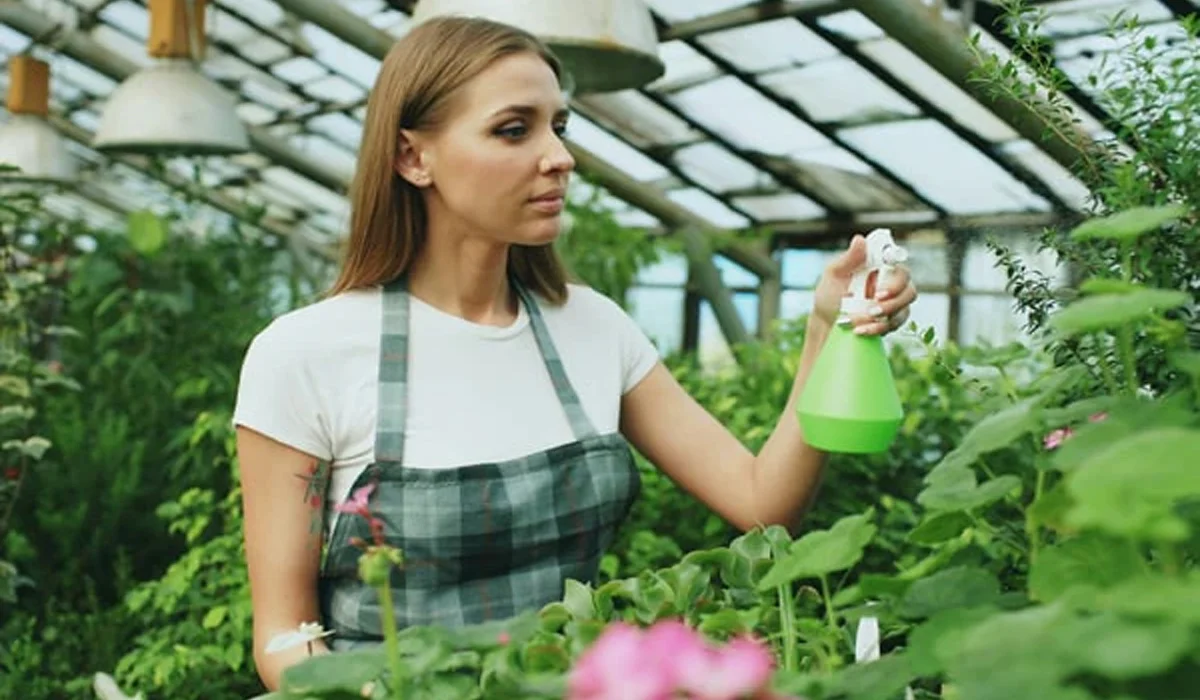
Many common household items can serve as natural pest repellents. Essential oils like peppermint, eucalyptus, and tea tree oil are highly effective against insects due to their strong scent. Spraying diluted solutions around entry points or areas where pests congregate can keep them at a distance.
Herbs and plants, such as basil, lavender, and mint, also act as deterrents. Strategically placing these around your home not only adds fragrance and beauty but also creates a natural barrier. The key is consistent placement and regular replenishment to maintain their effectiveness.
Baca Juga: Trusted Professional Pest Control Services Protect Your Home
Traps And Physical Barriers
Traps are another chemical-free solution for managing pests. Sticky traps for insects, live-catch traps for rodents, and water-based traps for flies provide a humane way to remove intruders. These methods allow you to monitor pest activity while avoiding toxic substances.
Physical barriers, such as mesh netting over food or screens over drains, prevent pests from accessing their targets. Combining traps and barriers with environmental adjustments, like reducing clutter and standing water, strengthens your chemical-free pest control strategy.
Maintaining A Clean And Dry Environment
Pests thrive in environments with readily available food and moisture. Regular cleaning, proper food storage, and quick spill cleanup reduce opportunities for infestations. Avoid leaving pet food out overnight and store dry goods in sealed containers to limit access for insects and rodents.
Moisture control is equally important. Fixing leaks, using dehumidifiers, and ensuring proper ventilation in basements and bathrooms prevent mold and standing water, which attract pests. A dry, clean environment forms the foundation for long-term pest prevention without relying on chemicals.
Promoting Natural Predators
Encouraging natural predators can be a surprisingly effective pest control method. Birds, frogs, and beneficial insects like ladybugs consume large numbers of insects and can help keep populations in check. Creating habitats such as bird feeders, small water features, or insect-friendly plants attracts these allies to your home.
Even pets, like cats, can play a role in controlling rodents. While not a replacement for prevention, natural predators provide ongoing, eco-friendly pest management. Balancing your environment to support these natural controls enhances the health of your home ecosystem.
Conclusion
Chemical-free pest control is achievable through observation, prevention, and natural deterrents. By understanding pest behavior, sealing entry points, using natural repellents, maintaining cleanliness, and supporting natural predators, you can protect your home safely and sustainably.
These strategies reduce risks, respect the environment, and create a healthier living space for everyone.
Image Source From
- First Photo From: ktgindonesia.com
- Second Photo Of: politanikoe.ac.id