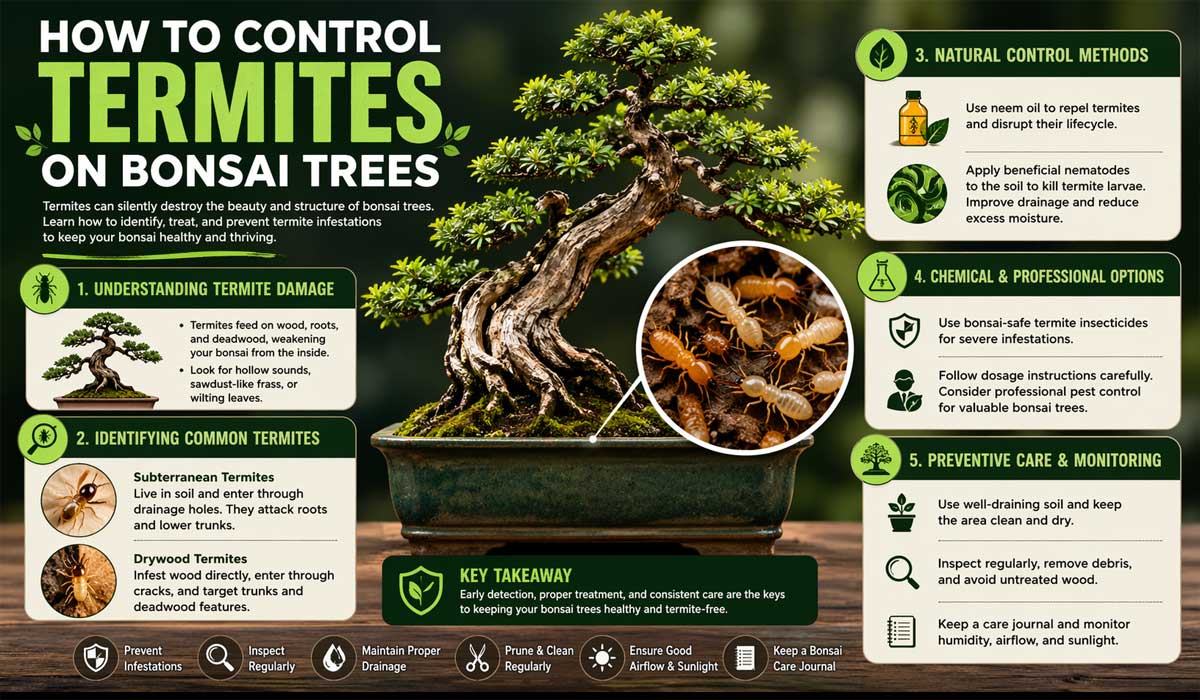
Natural pest control methods help reduce the risk of chemical residues and maintain a balanced and healthy agricultural ecosystem.
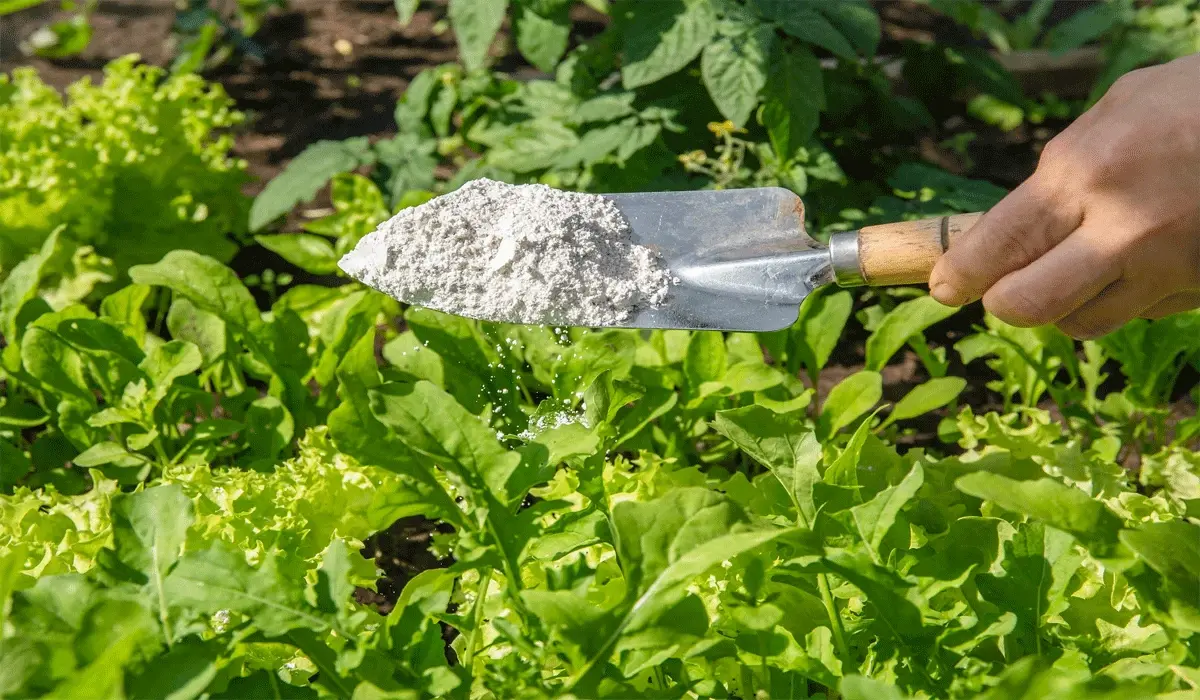
Healthy farms and gardens don’t always have to rely on chemical pesticides. There are many natural methods that can be used to control pests without harming the environment, maintaining soil fertility, and remaining safe for humans and animals. This approach Effective Pest Control, is increasingly being chosen because it is more sustainable and ecosystem-friendly.
Utilizing Natural Enemies of Pests
One of the most effective methods of natural pest control is utilizing natural predators. In nature, every pest has enemies that can help suppress its population, such as birds, frogs, spiders, and certain insects like ladybugs.
By maintaining the balance of the ecosystem around the land, farmers can create an environment that supports the lives of these predators. For example, planting hedges or certain flowers can attract beneficial insects that prey on pests.
Furthermore, avoiding the use of chemical pesticides is also important because chemicals can kill natural enemies of pests. If natural predators remain, the pest control cycle will continue naturally without the need for excessive human intervention.
Using Pest-Repelling Plants
Some types of plants have aromas or compounds that pests dislike. Plants such as lemongrass, basil, garlic, and marigolds are often used as natural pest repellents in gardens and agricultural fields.
Planting these plants between main crops can significantly reduce pest infestations. Besides acting as a protective barrier, these plants can also increase biodiversity on agricultural land. This approach is known as intercropping or companion planting. With this strategy, farmers not only obtain primary yields but also natural protection from harmful pests.
Also Read: Environmentally Friendly Pest Control For Today’S Agriculture
Soil Management and Land Sanitation
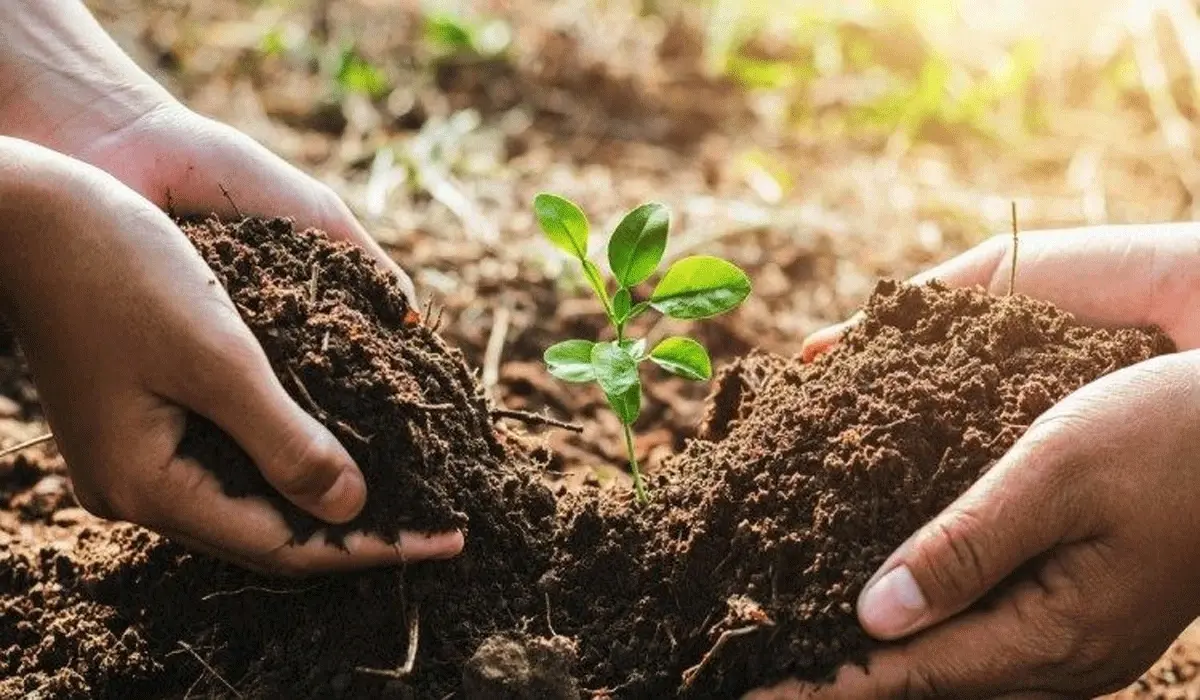
Healthy soil will produce stronger plants that are more resistant to pest attacks. Therefore, soil management such as the application of compost, organic fertilizer, and crop rotation is crucial. Crop rotation helps break the life cycle of pests that typically thrive on certain crops.
If the same crop is planted continuously, pests will reproduce more easily and become difficult to control. Furthermore, maintaining land sanitation by removing infected leaves or plants can prevent the spread of pests. A clean environment will reduce breeding grounds for destructive insects.
Using Traps and Physical Methods
Physical methods are also very effective in controlling pests without chemicals. These include the use of sticky traps, light traps, or pheromone traps that attract specific pests. In addition to traps, using protective nets around plants can also prevent pests such as caterpillars and small insects from damaging crops.
This method is simple yet quite effective when implemented correctly. Some farmers also use manual techniques such as hand-picking pests from plants. Although more labor-intensive, this method is very safe and has no negative impact on the environment.
Making Natural Pesticides from Household Ingredients
Natural pesticides can be easily made using ingredients readily available at home, such as garlic, chili peppers, and liquid soap. These ingredients have natural properties that can disrupt the respiratory or digestive systems of pests without harming plants. Thank you for taking the time to explore this interesting information about natural pest control methods in Effective Pest Control, We will provide much more information soon.
Image Information Source:
First Image: sowrightseeds.com
Second Image: futminna.edu.ng